
Lieferung heute & morgen

Qualitätsgarantie

Willkommens-Angebote freischalten: KOSTENLOSE Lieferung | Bis zu 80 % RABATT | Kostenlose 30-Tage-JoyPlus-Testphase
App herunterladen
Anyone looking to buy Asian food online will find a wide selection in online Asian shops, including Korean food, Thai food, Japanese food, Chinese sauces, ramen, kimchi, gyoza, prawns and a variety of snacks. The range of products makes shopping easier, but comparing them can be more challenging. Pack size, storage requirements and ingredients often have a greater impact on the actual usefulness of a product than eye-catching images or promotional flavour descriptions.
Single portions are ideal for trying something for the first time, but they are not always economical when you compare the unit price. A 20-g snack or a 75-g pack may look attractively priced in your basket, even though the price per 100 g is considerably higher. Always compare:
Terms such as “Original”, “Hot” or “traditional” do not automatically tell you anything about the heat level, quality of the ingredients or intended use. With chilli sauce, for example, it is important to know whether it is intended as a dip, for soups or for a wok dish. When choosing ramen, check the ingredients, salt content and portion size. An eye-catching flavour description is no substitute for specific product information.
Frozen meat, frozen fish, prawns and gyoza require an uninterrupted frozen chain. Check the stated storage temperature, delivery conditions and whether you can put the products away immediately. As a rule, frozen products must not be refrozen after thawing. For fresh or frozen food, always follow the preparation instructions on the packaging.
Asian ingredients often contain soya, wheat, sesame, fish, crustaceans, molluscs or milk. These ingredients may also be found in snacks, sauces and ready meals. Therefore, check the allergen information carefully, particularly for:
For anyone with intolerances, a precise ingredients list is more important than the stated origin. You should also take warnings such as “may contain traces of …” into account.
Ambient products such as certain sauces, snacks or shelf-stable kimchi are easy to store. Frozen products, on the other hand, require enough space in your freezer. Also check whether the product can be cooked from frozen or needs to be thawed first.
According to the product description, bibigo Beef Bulgogi Gyoza 300 g are intended to be prepared from frozen. The dumplings can be cooked in a frying pan or deep fryer; when fully cooked, they should reach a core temperature of over 70 °C. This is a practical difference compared with products that need to thaw in the fridge first.
The origin can provide an indication of a product’s culinary style, but it is not the only measure of quality. Specific details such as the meat or vegetable content, net quantity and nutritional values per 100 g are more useful when making a purchasing decision.
With prawns, you should also check the product type: peeled, deveined, with or without the head, as well as the gross and net weight. Asian Choice Black Tiger Shrimp, for example, is listed with a total quantity of 1 kg and a net weight of 700 g. If you overlook this distinction, you may miscalculate the amount actually available to use.
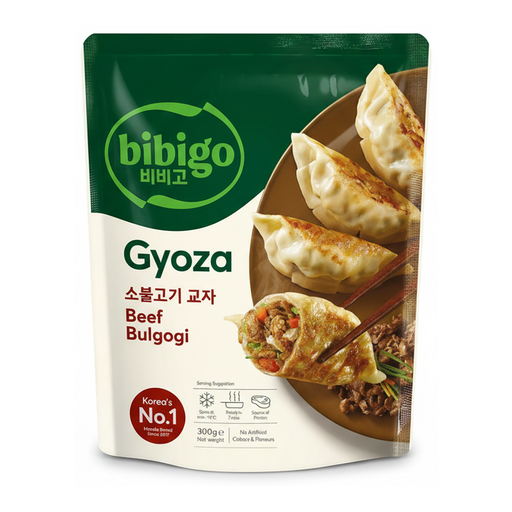
Why this product suits this profile: Pre-filled gyoza are an easy introduction to Korean food and work well as a meal, starter or snack.
The pack clearly states the quantity, ingredients, allergens and frozen storage requirements. This makes it easier to assess the practical commitment before buying.
19% beef according to the product information, 30% vegetable content and preparation from frozen.
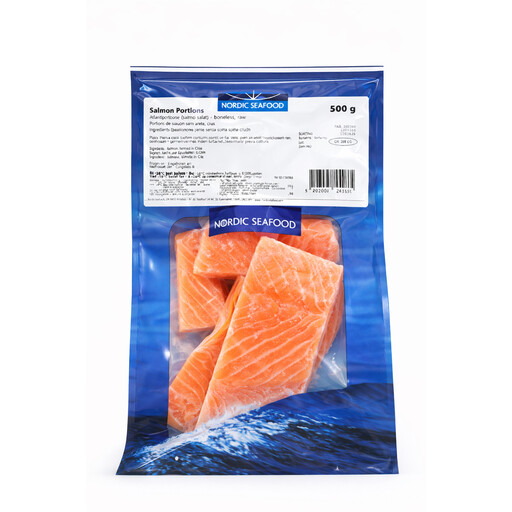
Why this product suits this profile: According to the product description, this frozen salmon fillet consists of 100% salmon fillet and contains no additional ingredients.
The ingredients list is short and clear. There are no ambiguous seasoning blends to make comparisons with other fish products more difficult.
100% salmon fillet, a 500 g pack size and clear information on freezing, thawing and preparation.
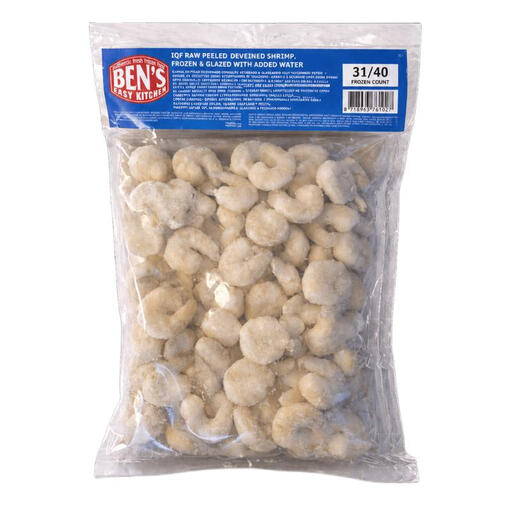
Why this product suits this profile: Peeled and deveined prawns are ideal for wok dishes, grilled recipes, ramen and quick stir-fries.
The product information specifies the size 31/40, the preparation and the net weight. This makes the usable quantity more transparent.
750 g pack, peeled and deveined, individually frozen according to the product description, and suitable for several preparation methods.
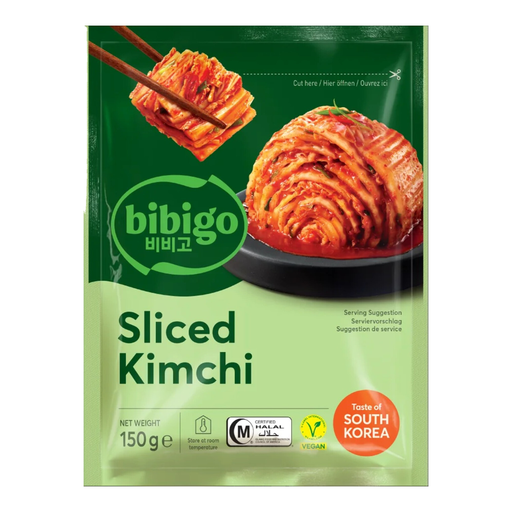
Why this product suits this profile: This shelf-stable kimchi can be served as a side dish or topping, or used as an ingredient in soups, wraps and stir-fries.
Storing it at room temperature before opening reduces the planning involved compared with chilled varieties.
150 g pack size, ready to eat and, according to the product information, vegan and halal-certified.
For snacks, popular options include Nongshim Shrimp Cracker Hot, Orion Choco Pie, Dorkbua Stick Biscuit, Taokaenoi Crispy Seaweed and BENTO Seafood Snacks. If you are looking for Chinese sauces, Lao Gan Ma Spicy Chilli in Oil can be paired with noodles, rice or dumplings. According to the product description, CHIN-SU Hot Chili Sauce from Vietnam is suitable as a dip and for soups and stir-fries.
For Japanese or Korean dishes, consider firm J-BASKET tofu, Samyang Buldak Ramen Carbonara and thinly sliced rib-eye beef for hot pot. For every product, check the ingredients, allergens, net quantity and storage information before buying.
We have put together a complete, regularly updated list of products that fully meet these strict selection criteria and the safety regulations applicable in the EU.
Frozen meat, frozen fish, prawns and gyoza should be shipped with suitable refrigeration. After delivery, check the packaging and put the products away in your freezer as soon as possible at -18 °C or below, provided this is stated on the label.
That depends on the product category. Ambient snacks, sauces and shelf-stable kimchi usually have a best-before date printed on the packaging. Once opened, products may require additional storage instructions, such as refrigeration or rapid consumption. For frozen products, the rule is: do not refreeze after thawing and follow the preparation instructions.
Always read the complete ingredients and allergen list. Common allergens in Asian foods include wheat, soya, sesame, milk, egg, fish, crustaceans, molluscs and peanuts. You should also take possible traces warnings and product-specific information on the packaging delivered to you into account.