
Lieferung heute & morgen

Qualitätsgarantie

Willkommens-Angebote freischalten: KOSTENLOSE Lieferung | Bis zu 80 % RABATT | Kostenlose 30-Tage-JoyPlus-Testphase
App herunterladen
Anyone looking to buy Asian food online will quickly find a wide selection of Chinese food, Asian spices, soup bases and instant drinks. However, the product name alone often reveals little about the ingredients, preparation method or suitable pack size. Similar names can conceal very different recipes, particularly when it comes to spice blends and powdered products.
You should check these three common purchasing issues before placing your order:
For Chinese food and Asian seasoning blends, the order of the ingredients is an important comparison point. It shows which components make up the largest quantities. In vegetable stock, for example, salt may appear near the top of the list, while the vegetable content varies from one product to another.
You should also look for the specific labelling:
One example is Alnatura Organic Clear Vegetable Bouillon Powder 250g: the product information lists 25% vegetables, as well as celery and possible traces of gluten, egg, soya, milk and mustard. The product is labelled vegan and organic; for allergy sufferers, the information on the actual packaging remains decisive.
The pack price alone is not very informative when ordering Asian spices online. It is better to compare the price per 100 g or the number of portions that can be prepared.
The stated yield is useful for stocks:
Portion sachets can be practical for a one-person household. If you regularly prepare soups, sauces, rice dishes or vegetables, a jar or refill pouch may offer a more convenient solution.
Powdered products generally need to be stored in a dry place and kept tightly sealed. Spices retain their flavour better when protected from moisture, direct sunlight and strong odours. For products such as TRS Pepper Powder White 100g, an airtight container is recommended after opening.
The ways they are used vary considerably:
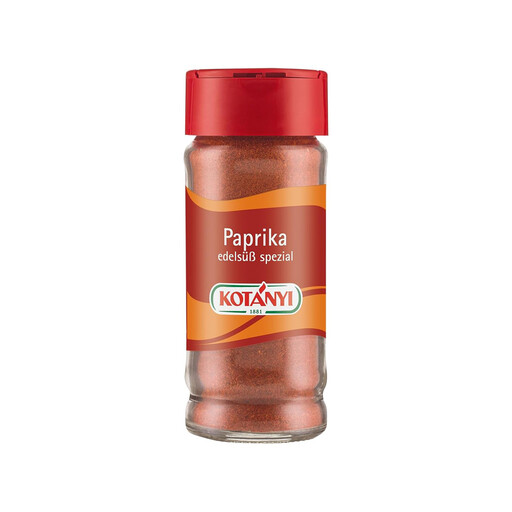
Why this product suits this profile: The compact 40-g pack is an easy way to start using paprika powder in soups, sauces, rice and vegetable dishes.
The ingredients list identifies paprika as an ingredient and also states possible traces of other allergens.
40 g of ground paprika seasoning with a mild, fruity flavour description according to the product information.
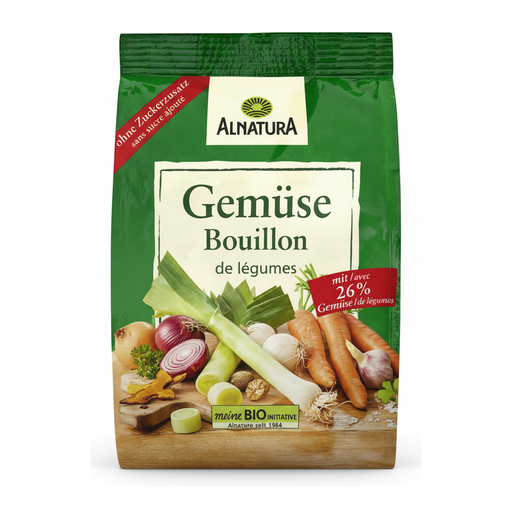
Why this product suits this profile: For shoppers who want to compare organic certification, vegan status and a stated vegetable content.
The pack states 25% vegetables, organic certification DE-ÖKO-001, and information about possible traces and allergens.
250 g refill pouch, vegan, organic quality and, according to the product information, enough for 12.5 litres of food.

Why this product suits this profile: For anyone looking for lotus root starch as a warm instant food for breakfast, a snack or dessert.
The ingredient and quantity information lists, among other things, more than 50% lotus root powder, 2% red date and 2% lotus seeds.
480 g total quantity, 20 individual portions and preparation with water above 95 °C.
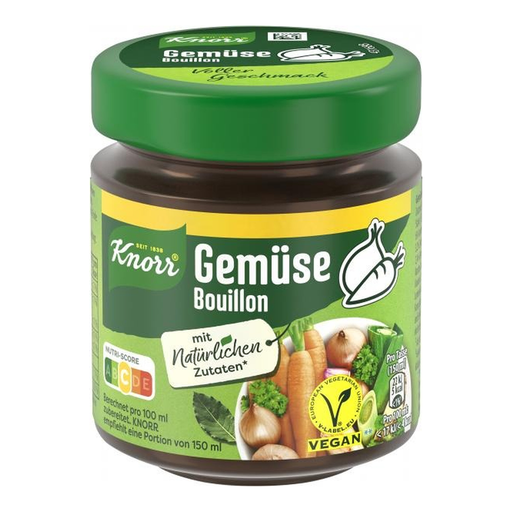
Why this product suits this profile: For regular cooking when you want an easy-to-sprinkle vegetable stock ready for soups, sauces, rice and vegetables.
The recommended quantity is approximately 5 g per 250 ml of water; allergens including gluten, egg, soya, milk, celery and mustard are listed.
Practical 100-g jar, described as vegan, vegetarian and lactose-free; easy to measure directly into water or food.
We have put together a complete, regularly updated list of products that fully meet these strict selection criteria and the safety regulations applicable in the EU.
Look for terms such as “instant”, “portion sachets” or specific preparation instructions. With lotus root powder, cold or room-temperature water is often stirred in first, followed by very hot water. For stock, it is usually enough to dissolve a stated quantity in boiling water.
The best-before date is printed on the packaging. Once opened, spices, soya milk powder and lotus root starch should be stored in a cool, dry place in an airtight container. Moisture can affect their ability to flow freely and may diminish their aroma. If you are unsure, check the smell, appearance and packaging instructions.
“Vegan” means that the product contains no animal ingredients; it does not automatically mean that it is low in salt or free from allergens. Therefore, check the ingredients list, nutrition table and allergen information separately. Vegetable bouillon may, for example, list celery or traces of milk and soya.