
Lieferung heute & morgen

Qualitätsgarantie

Willkommens-Angebote freischalten: KOSTENLOSE Lieferung | Bis zu 80 % RABATT | Kostenlose 30-Tage-JoyPlus-Testphase
App herunterladen
Anyone looking to buy Asian food online will quickly find a wide selection of rice, pulses, sweeteners, drinks and snacks. The challenge is less about finding products and more about comparing them. Pack sizes, ingredient lists and preparation methods can vary considerably. A product that looks suitable on screen may turn out to be impractical, too large or unsuitable for your dietary needs at home.
An 18 kg sack of Vietnamese rice may look attractive in terms of price per kilogram. However, it could be far too large for a single-person household or a kitchen with limited storage space. Before buying, compare the price per kilogram, how much you are likely to use and the storage requirements.
Jasmine rice, Vietnamese fragrant rice and sticky rice differ in aroma, texture and use. Sticky rice, for example, is intended for sticky rice dishes and desserts, whereas jasmine rice tends to be light and fragrant after cooking. Coconut sugar and palm sugar are not automatically interchangeable either: the ingredients, form and consistency may vary.
For packaged food sold in the EU, ingredients and allergens must be listed. Pay particular attention to information about soya, sesame, nuts, milk and sulphites. A product may be suitable for a vegan diet while still carrying an important allergen warning. For a gluten-free diet, check not only the ingredients list but also the labelling on the specific packaging. Recipes and labels can change.
Check the full ingredients list and any highlighted allergens. J-BASKET Satonoyuki Shiki Tofu Firm, for example, lists water, soya beans and magnesium chloride; the product contains soya. Tahini is generally made from sesame and is therefore unsuitable for people with a sesame allergy.
It is also worth checking dried fruit carefully. Tuan Dat Dried Mango contains sulphur dioxide or sulphites in addition to mango and sugar. This information is relevant for sensitive individuals.
Dry ingredients such as rice flour, mung beans, tapioca pearls and rice should be stored in a dry, cool place and preferably in an airtight container after opening. Liquid products require different conditions. Alpro Soy Drink Protein can be stored unopened, but should be refrigerated after opening and consumed within five days. FOCO Coconut Juice should also be refrigerated after opening and consumed within 24 hours.
The preparation method determines the result. According to the product information, large tapioca pearls initially require around 20 to 30 minutes of cooking time, followed by a resting period. Peeled, split mung beans are said to require less preparation time than whole mung beans. For sticky rice, steaming or using a carefully measured amount of water is usually more suitable than the standard method for long-grain rice.
Nutritional information usually refers to 100 g or 100 ml. According to the product information, THAI DELIGHT Konjac Rice 350 g contains 9 kcal and 0.6 g of carbohydrates per 100 g. This is a product characteristic, not a general promise for any particular diet. Always compare the values on the specific pack and take the ingredients in the whole meal into account.
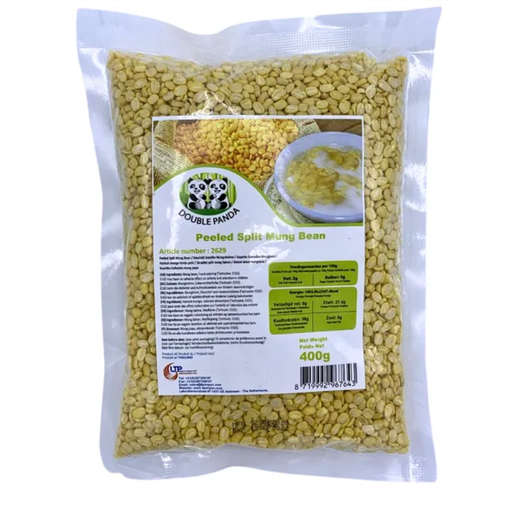
Why this product suits the profile: The 400 g pack is suitable for trying recipes such as mung bean paste, desserts or soups without having to buy a large quantity straight away.
The moderate quantity reduces the risk of leaving a specialist ingredient unused in storage for a long time. The peeled, split form is also clearly stated.
27.4 g of protein per 100 g according to the product information; suitable for sweet and savoury recipes. Ingredients: mung beans and E102.
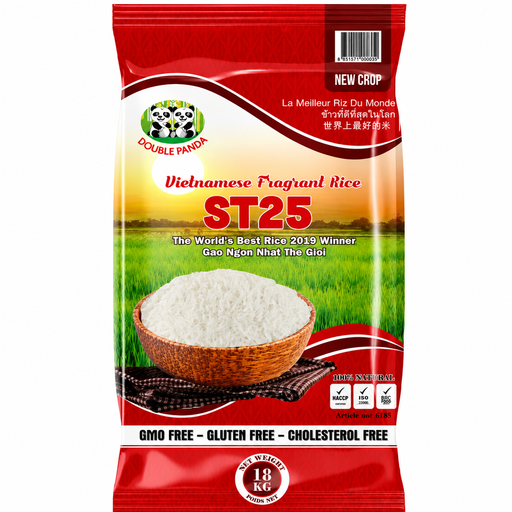
Why this product suits the profile: This Vietnamese fragrant rice, identified as ST25, is aimed at households that regularly prepare rice dishes and have room to store a large bulk pack.
The variety, origin, net quantity and preparation instructions are all specified clearly. This makes it easier to compare with other jasmine rice.
18 kg contents; according to the product information, 100% ST25 fragrant rice from Vietnam and labelled gluten-free.
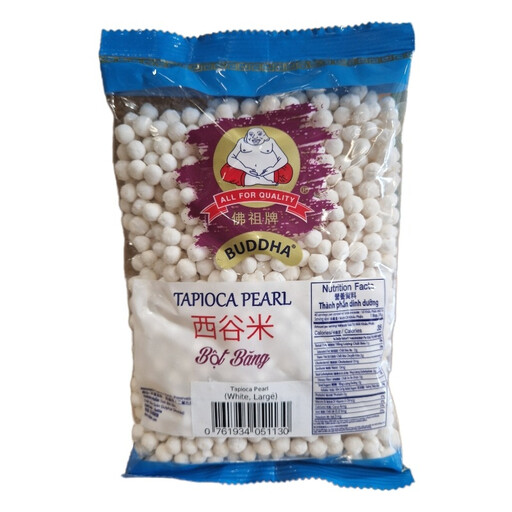
Why this product suits the profile: For bubble tea variations, South-East Asian desserts and dishes with a chewy texture, these large pearls offer a clearly defined use.
The pack lists tapioca starch as the main ingredient, along with specific cooking and resting times. This lets you assess the preparation involved before ordering.
400 g pack; according to the product information, 98% tapioca starch, labelled gluten-free and suitable for a range of desserts.
We have put together a complete, regularly updated list of products that fully meet these strict selection criteria and the safety regulations applicable in the EU.
For Thai dishes, palm sugar, coconut sugar, rice flour and sticky rice are suitable options. Thai food should be selected according to how you intend to use it. Palm sugar can be used in curries, sauces and desserts, while rice flour is suitable for batters, desserts or thickening.
For vegan or vegetarian meals, tofu and Alpro Soy Drink Protein may be useful ingredients. According to the product information, the soya drink contains 3 g of protein per 100 ml and is available as a pack of 12, with each carton containing 1 litre. Always check the allergen information on soya products.
International snacks and drinks are also easy to add to your shop. According to the product information, FOCO Coconut Juice contains 80% coconut juice and coconut flesh. When buying dried fruit such as dried mango, consider added sugar and sulphites before making your choice.
For beginners, versatile staple ingredients in manageable pack sizes are a sensible choice. These include 400 g of rice flour, peeled mung beans, tofu or tapioca pearls. If you cook regularly, you can also order jasmine rice, palm sugar and Thai specialities in larger quantities.
This depends on the product category. Dry foods such as rice, rice flour and mung beans should be stored in a cool, dry place and carry a best-before date. Depending on the label, opened drinks, tofu and coconut juice may need to be refrigerated and should be consumed within the stated period. The information on the specific packaging always takes precedence.
Compare the unit price per 100 g, 500 g or kilogram, and also take pack size, delivery costs and perishability into account. A large pack is only economical if you use the ingredient regularly and can store it in dry, suitable conditions.