
Lieferung heute & morgen

Qualitätsgarantie

Willkommens-Angebote freischalten: KOSTENLOSE Lieferung | Bis zu 80 % RABATT | Kostenlose 30-Tage-JoyPlus-Testphase
App herunterladen
Anyone looking to buy Asian food online will quickly find a wide selection of rice, flours, pulses, tofu, dessert ingredients and snacks. The variety is convenient, but it can also make choosing more difficult. Different pack sizes, inconsistent allergen information and prominent marketing claims can easily result in a product that is unsuitable for your household or recipe.
As a Joybuy Product Recommendation Officer, I therefore focus on the key details: ingredients, nutritional values, storage, preparation and pack size. This makes it easier to assess before buying whether an item is suitable for occasional use, vegan cooking or high-volume consumption.
A product may be made from an ingredient that is naturally gluten-free, such as rice, maize or tapioca. Even so, you should check the full labelling. Statements such as “May contain traces of gluten” or information about where the product was processed may be relevant for people with coeliac disease or those following a strictly gluten-free diet.
The ingredients and allergen list are also decisive for gluten-free biscuits, rice noodles, rice flour and cornflour. For packaged foods, the information on the product page should be checked against the packaging.
Some granola bars and high-protein snacks are sweetened with sweeteners such as maltitol. This may reduce the sugar content, but it does not automatically change the calorie content or make the product suitable for every diet. In larger quantities, sweeteners may also have a laxative effect. Nutritional values per 100 grams and per serving show the difference more clearly than a marketing statement on the front of the pack.
An 18-kg sack of Vietnamese rice may be a sensible choice for catering businesses, large families or people who regularly prepare rice dishes. For a small household, however, it may take up unnecessarily large amounts of storage space. Conversely, 200 to 400 grams of specialist ingredients may only be enough for one or two recipes.
Tofu, opened canned goods and dried ingredients also have different storage requirements. Instructions such as “refrigerate after opening”, “consume within two days” or “store in an airtight container” should be taken into account before buying.
First, check the ingredients in descending order by weight. When you buy tofu, for example, soya beans, water and firming agents are common ingredients. Products containing nuts such as almonds or hazelnuts are not suitable for every household. Snacks may also contain milk, eggs, peanuts or cereals containing gluten.
For vegan food and vegetarian food, the specific labelling is more important than the flavour description. A granola bar containing yoghurt powder, for example, is not vegan, while a cracker without milk, eggs or lactose may be suitable for a vegan diet – provided this is confirmed by the current packaging information.
When it comes to dried Asian ingredients, the intended use is important:
Don’t compare packs solely by price per item. You should also consider how much is used per recipe, the shelf life and the storage conditions. A 400-g bag of rice flour is a manageable choice for occasional baking. A larger pack of rice may be more economical if it is used regularly and stored in a dry place.
For high-protein snacks, it is worth checking the protein content per 100 grams. According to the product information, a Corny Corn-Nut Protein bar contains 27 grams of protein per 100 grams and comes in a 3 × 35-gram pack. This is an objective nutritional statement, not a claim about any medical or sporting benefit.
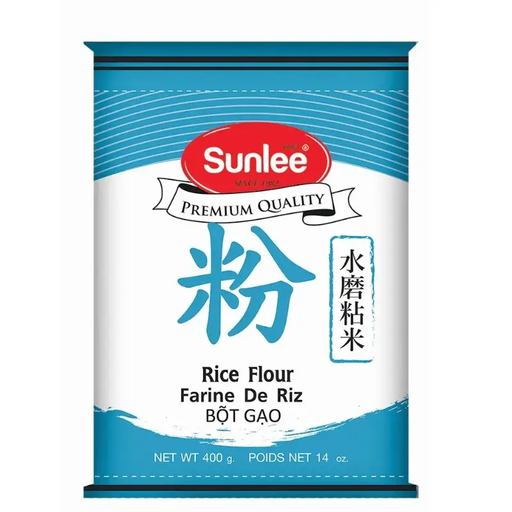
Why this product suits the profile: The 400-g pack offers an accessible introduction to Asian baking and dessert recipes. According to the product information, the flour is made from 100% white rice and is highly versatile.
The clear ingredients list makes it easier to check the product compared with blended flours containing several additives. After opening, the flour should be stored in a dry, airtight container.
Gluten-free rice base according to the product description; suitable for doughs, desserts and thickening.
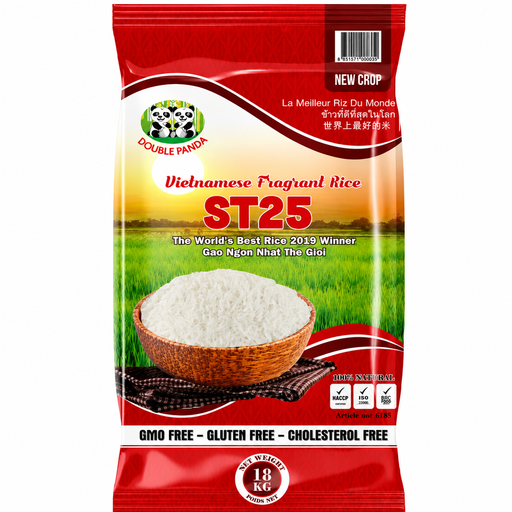
Why this product suits the profile: This large pack is intended for households and kitchens that use rice regularly. According to the product description, it contains 100% ST25 fragrant rice from Vietnam.
The stated rice variety and country of origin are clearly specified. Before buying, make sure you have sufficient dry, raised storage space.
18-kg pack; long grains; according to the product information, gluten-free and suitable for regular meals.
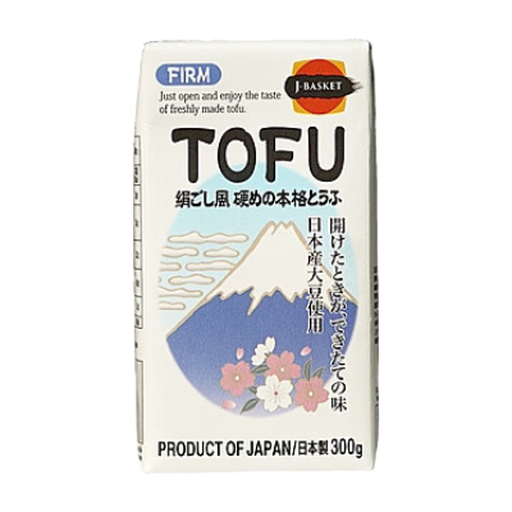
Why this product suits the profile: Firm tofu can be fried, pan-fried, braised or used in hot pot dishes. According to the ingredients list, this product contains water, soya beans and magnesium chloride.
The firm variety prevents the wrong choice for stir-fried dishes, where silken tofu can easily break apart. The soya allergen should be clearly noted.
300-g pack; firm texture; according to the product information, 8.1 g of protein per 100 g.
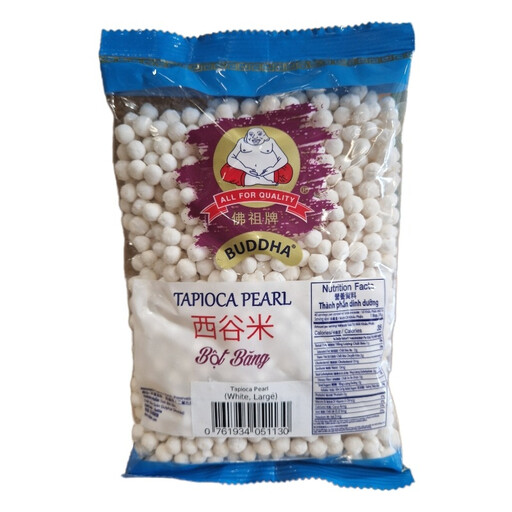
Why this product suits the profile: Large tapioca pearls are ideal for bubble tea variations, coconut desserts and Southeast Asian sweet treats. The 400-g pack is designed for repeated preparation.
The stated cooking and swelling times make the preparation requirements clear. After opening, an airtight container helps protect the pearls from moisture.
Tapioca starch as the main ingredient; according to the product information, gluten-free and without any declared major allergens.
We have put together a complete, regularly updated list of products that fully meet these strict selection criteria and the safety regulations applicable in the EU.
Depending on your diet and recipe, the following items may also be of interest:
Rice, rice flour, mung beans, tapioca pearls and cornflour are unopened dried goods that are relatively easy to store. They should be kept in a dry, cool, dark place and preferably in an airtight container. The specific best-before date is shown on the packaging.
Look for the gluten-free label, the ingredients list and the allergen information. Rice, pure tapioca starch and pure cornflour are gluten-free by nature of their basic ingredients. For products made using shared processing equipment or that may contain traces, the packaging information is decisive.
Firm tofu is suitable for fried dishes, wok cooking, soups and hot pot. Silken tofu or softer varieties are better suited to creamy dishes, desserts and sauces. Unopened, shelf-stable products are easier to keep in stock; after opening, follow the relevant refrigeration and consumption instructions.