
Lieferung heute & morgen

Qualitätsgarantie

Willkommens-Angebote freischalten: KOSTENLOSE Lieferung | Bis zu 80 % RABATT | Kostenlose 30-Tage-JoyPlus-Testphase
App herunterladen
Anyone looking to buy Asian food online will quickly find a wide selection of snacks, spices and dried ingredients. However, product names alone are not enough to make the right choice. The key factors are the ingredients list, pack size, preparation and storage requirements.
Whether you are stocking up at home, preparing vegetarian or vegan dishes, running a restaurant or planning a catering menu, a few simple checks can help you avoid unsuitable purchases.
500 g or more may seem good value at first glance. However, with Asian spices such as bay leaves or dried mushrooms, buying in bulk only makes sense if you use the product regularly. For occasional cooking, smaller packs may be more suitable, as flavours can fade after opening and dry ingredients may absorb moisture.
Depending on the product, dried fruit, plums and pickled vegetables may also contain sugar, salt, acidity regulators, sweeteners or preservatives. Checking the ingredients list will show whether a snack is relatively natural or has been further processed for flavour.
According to the product information, Tong Xiang Jiuzhi Dried Plums 110 g contains at least 76% dried plums. It also lists sugar, salt, liquorice, honey and various additives, among other ingredients. The product contains sweeteners, while sulphites are not listed here. Anyone with intolerances or specific dietary requirements should check the current labelling on the packaging.
Many Asian ingredients are not ready to eat. Depending on the product, dried mushrooms, pulses and dried seaweed may need soaking, rinsing or heating. If you do not factor these steps into your plans, you may end up buying an ingredient that is not suitable for a quick everyday meal.
The ingredients list should make it as clear as possible which components are included. The following are particularly relevant:
For example, according to the product information, RAITIP Sesame Seeds White 100 g contains 100% hulled white sesame seeds and carries the allergen declaration “sesame”. An ingredients list containing just one ingredient can make choosing products for certain diets easier, but it does not replace checking the packaging.
Do not compare just the pack price: also check the price per 100 g. For snacks such as dried strawberries or plums, 50 to 110 g are convenient sizes. For kitchen cupboards, 200 to 500 g may be more practical.
A product may also be suitable for different purposes:
Dry goods should generally be stored in a cool, dry place away from direct sunlight. After opening, an airtight container is recommended. Dried mushrooms usually need to be rehydrated and then cooked thoroughly. Pulses may require soaking or a longer cooking time.
For ready-to-eat products, you should also check whether they need to be refrigerated after opening and used within a short period. The information on the individual label is always the deciding factor.
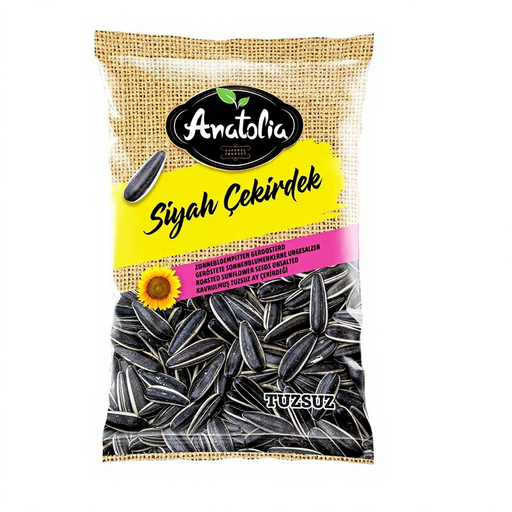
Why this product suits this profile: The manageable pack size is ideal for trying seeds and kernels as a snack or topping.
According to the product information, the ingredients list consists of 100% sunflower seeds; salt and added sugar are both stated as 0 g.
140-g pack, unsalted and versatile enough for snacks, salads, yoghurt or baked goods.
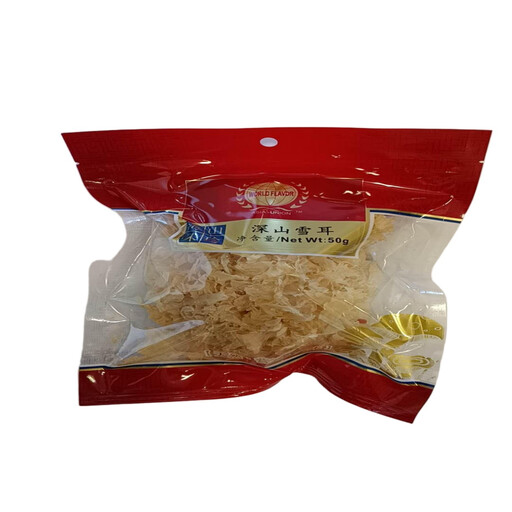
Why this product suits this profile: The ingredient has clearly described uses in soups, desserts, stir-fries and cold salads.
The product information explicitly states that the ingredient must be soaked and cooked thoroughly. This prevents it from being mistakenly planned as a ready-to-eat snack.
50 g dried white mushroom, stated to contain no additives or preservatives; suitable for sweet and savoury dishes.
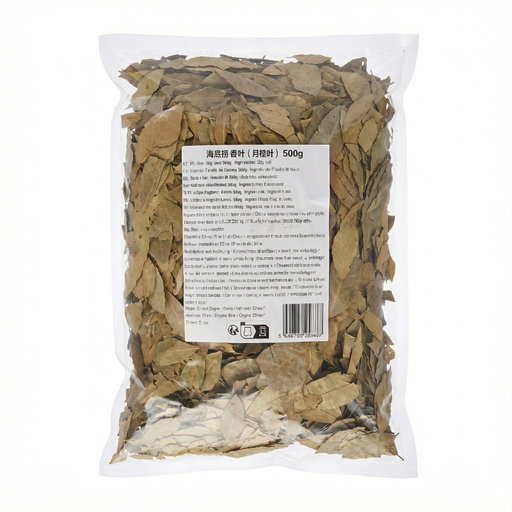
Why this product suits this profile: The large pack is aimed at restaurants, catering businesses and households that regularly prepare soups, stews or marinades.
The pack size is clearly stated. If you only cook with bay leaves occasionally, calculate your actual annual requirement before buying.
500 g bay leaves, stated to be 100% natural and free from additives and preservatives; recommended dosage: one to two leaves.
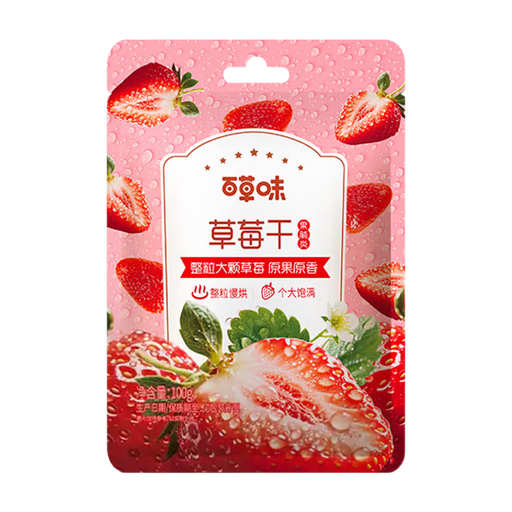
Why this product suits this profile: The ready-to-eat pack is ideal for the office, lunchbox, travelling or teatime, with no preparation required.
The product information states that it contains at least 65% strawberries, as well as sugar, maltose syrup and other additives. This avoids the expectation that it is an unsweetened dried fruit.
100-g pack, ready to eat and with stated nutritional values; contains sulphites according to the allergen declaration.
We have put together a complete, regularly updated list of products that fully meet these strict selection criteria and the safety regulations applicable in the EU.
Before completing your order, tick off the following points:
For frequently used cupboard staples, dried red lentils, black beans, dried mushrooms or sesame seeds may also be suitable. However, the instructions for soaking, cooking times and storage vary from product to product.
Dry pulses, seeds and kernels, dried seaweed, spices and mushrooms can generally be stored well while unopened. It is important to keep them in a cool, dry environment and observe the best-before date. Once opened, products that are sensitive to moisture should be sealed in an airtight container.
No. Many products also contain sugar, syrup or acidity regulators. For example, Be&Cheery Dried White Peach lists sugar and a sugar content of 65.8 g per 100 g. If you are looking for an unsweetened option, compare the ingredients list and nutritional table before buying.
This depends on the type of product and its packaging. Dry spices and mushrooms should be protected from moisture. Snacks with a soft texture may lose quality more quickly after opening. For products with an explicit refrigeration instruction, follow the stated consumption period. The information on the individual packaging is always the deciding factor.