
Lieferung heute & morgen

Qualitätsgarantie

Willkommens-Angebote freischalten: KOSTENLOSE Lieferung | Bis zu 80 % RABATT | Kostenlose 30-Tage-JoyPlus-Testphase
App herunterladen
If you want to buy Asian food online, you'll quickly find Chinese groceries, Korean groceries, Indian groceries, Japanese snacks and numerous specialities from different regions. The vast selection makes shopping easier, but it also makes comparing products more challenging. Product names like "authentic", "traditional" or "premium" alone tell you little about the ingredients, allergens, preparation and storage.
A dish style, a brand and the country of manufacture are not necessarily the same. A product that looks Korean, for example, may be made outside of Korea. So always check the "country of origin", manufacturer and responsible company details on the product page or packaging.
Frozen Asian products usually need to be stored continuously at −18 °C or below. Products like fish balls, rice balls or Korean fish cakes are often pre-cooked, but they still need to be heated through thoroughly. Krupuk and other snacks only achieve their intended texture after frying or roasting.
Asian spices, instant noodles, sweets and ready-made sauces can contain allergens such as soya, wheat, sesame, egg, milk, fish or crustaceans. For products with sweeteners, sulphites or preservatives, you should read the instructions on the packaging in full. If you have any intolerances, the current labelling of the specific product is what matters.
The ingredient list shows whether a product meets your personal requirements. For vegetarian Asian products, a plant-based product name alone is not enough: check whether, for example, fish sauce, animal ingredients or milk are included. For a vegan diet, seasoning mixes and fillings should also be checked.
Also pay attention to the nutritional information per 100 grams. Some Asian snacks and Asian sweets contain relatively high amounts of sugar or fat. Seasoning powders and hot pot ingredients can have a high salt content. This information helps you compare different packs objectively.
A 200-gram pack can be enough for different purposes depending on the product. With a seasoning powder, small amounts per dish may suffice, whereas instant noodles are usually designed as single portions. For hot pot ingredients, you should also consider how many people a pack will serve and what fresh ingredients you will still need.
Dry products such as mung bean starch, dosa mix or lotus seeds can usually be stored at room temperature. After opening, an airtight container is advisable so that powders and dry ingredients do not absorb moisture.
Different requirements apply to chilled or frozen products. Rice balls must not be refrozen after thawing. Opened products like fish cakes should be kept chilled according to the packaging and used promptly. The best-before date and the specific instructions on the pack should be considered before ordering.
The following selection organises different Asian foods according to their use. The information is based on the provided product details. Always check the current packaging labelling and preparation instructions before consumption.
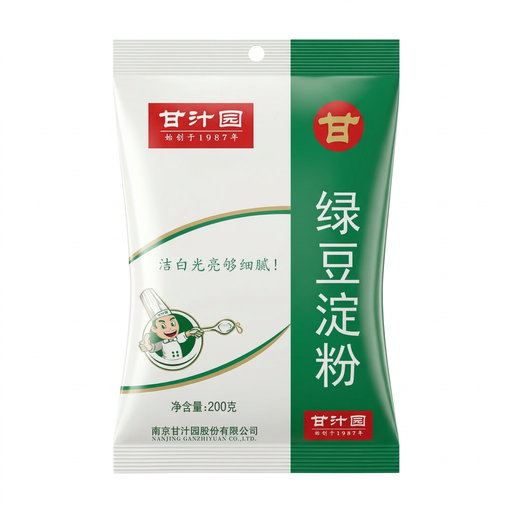
Why this product suits the profile: The pack contains only mung bean starch and is ideal for clear jellies, mung bean vermicelli, liangfen, or for thickening and coating food.
The ingredient list is clear: mung bean starch is listed as the ingredient. This means you can clearly identify the product type before buying.
200 g content, no declared allergens according to product information; store dry and sealed.
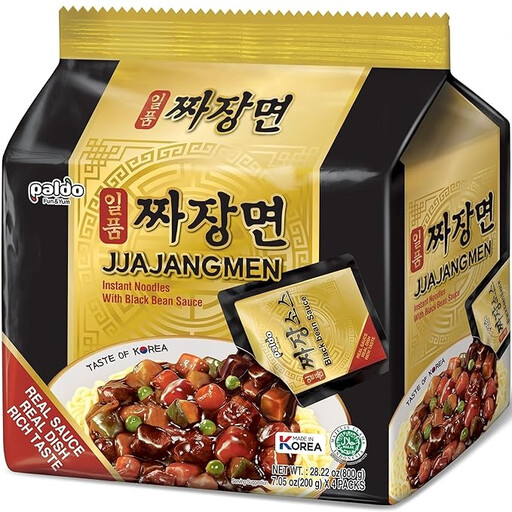
Why this product suits the profile: The four-pack offers Korean instant noodles with jjajang sauce for several meals or a store-cupboard staple in your dry kitchen.
The product description states the origin, pack size, cooking time and allergens. So you can see in advance that wheat and soya are included.
Four packs of 200 g each, preparation in around five minutes according to the pack instructions, store at room temperature.

Why this product suits the profile: The tomato base can be used for hot pot as well as for dishes like tomato beef, and can be supplemented with vegetables, mushrooms or meat.
The description states the dosage with around 1,000 ml of water and that it must be refrigerated after opening. This prevents you from misjudging how to use it.
200 g content, versatile use, soya listed as a declared allergen and specific storage instructions.
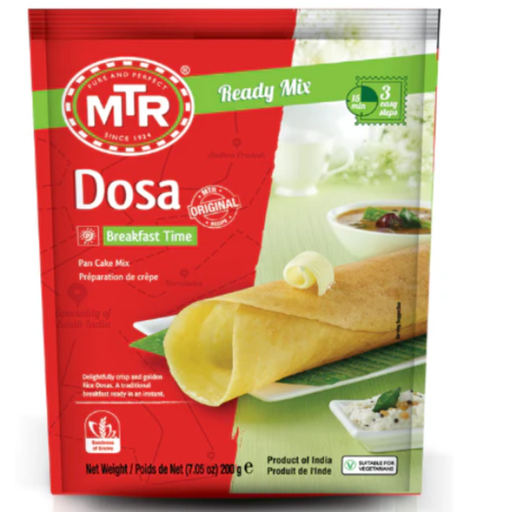
Why this product suits the profile: The mix of rice and black gram is intended for dosa and is made into a batter with water and a little sour yoghurt.
The pack information lists wheat as an allergen and mentions possible traces of milk, nuts, peanuts, sesame, mustard and soya.
Vegetarian recipe according to product information, 200 g content and preparation stated without overnight fermentation.
We have put together a complete, regularly updated list of products that fully meet these strict selection criteria and the safety regulations in force in the EU.
Depending on the recipe and occasion, you can supplement your shopping specifically:
Online shops with clear product pages offer the opportunity to compare origin, ingredients, allergens, net weight and storage before ordering. For chilled or frozen items, you should also check the delivery conditions and the required storage temperature.
That depends on the product group. Dry goods such as instant noodles, starch and seasoning powders are usually more shelf-stable unopened than frozen products after opening. The printed best-before date and the storage instructions are always what matter. Opened moist or frozen products should be used promptly according to the instructions.
Read the ingredient list and allergen labelling in full. Common warnings relate to wheat, soya, sesame, egg, milk, fish and crustaceans. Possible traces may also be stated. If you are unsure, check the current labelling of the product before buying or contact the seller.