
Lieferung heute & morgen

Qualitätsgarantie

Willkommens-Angebote freischalten: KOSTENLOSE Lieferung | Bis zu 80 % RABATT | Kostenlose 30-Tage-JoyPlus-Testphase
App herunterladen
The ability to buy Asian groceries online makes preparing traditional dishes significantly easier. However, the vast selection can also be overwhelming. Vague product descriptions or misleading labels can lead to purchases that don't meet expectations—whether it's an oil lacking the expected aroma or pickled vegetables with a surprising taste profile.
This guide focuses on objective criteria to help you make informed decisions and find the right products for your kitchen. We'll highlight common pitfalls and show you what really matters when making your selection.
To ensure the products meet your standards, it's advisable to check a few fundamental characteristics.
The ingredient list is your most reliable source of information. For instance, if you want to buy sesame oil, look for the "/100% sesame oil" declaration. This ensures you receive a pure product without any blends. For health-focused oils like cold-pressed flaxseed oil, the production method is crucial. Cold pressing occurs without heat, which helps preserve valuable nutrients like omega-3 fatty acids.
For pickled products like pickled mustard, the list provides insight into the spices used, salt content, and the presence of additives like monosodium glutamate (E621).
The country of origin can be an indicator of a traditional flavour profile. Products from Japan, China, or India often follow time-honoured recipes. Established brands, which are frequently found in a well-stocked online Asian market, typically offer consistent and reliable quality.
The production method also plays a role. An oil from roasted seeds (e.g., roasted sesame oil) is dark and highly aromatic, ideal for seasoning. A cold-pressed oil is lighter and milder in flavour. Similar differences exist with mustard oil, whose pungency and aroma vary depending on its production.
Check the net volume to ensure it suits your consumption habits. Many Asian ingredients, especially oils and opened pastes, require cool storage. Following the storage instructions on the packaging, such as "refrigerate after opening," prevents quality loss and food waste.
The following product recommendations are tailored to specific user profiles and their needs.
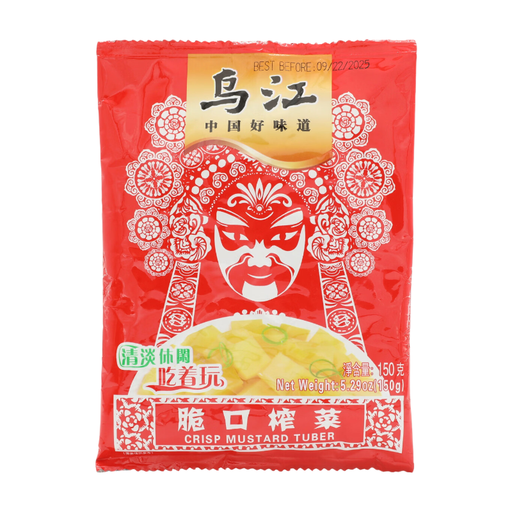
Why This Fits Their Persona: Ideal for anyone seeking the authentic taste of Zha Cai. Its crisp texture and balanced salty flavour make it a classic accompaniment to rice, porridge, or noodles.
The ingredient list is transparent and specifies traditional spices. This avoids the pitfall of an unexpectedly "adapted" taste and delivers the expected, authentic profile.
Ready-to-eat and conveniently packaged; retains its characteristic crisp texture.
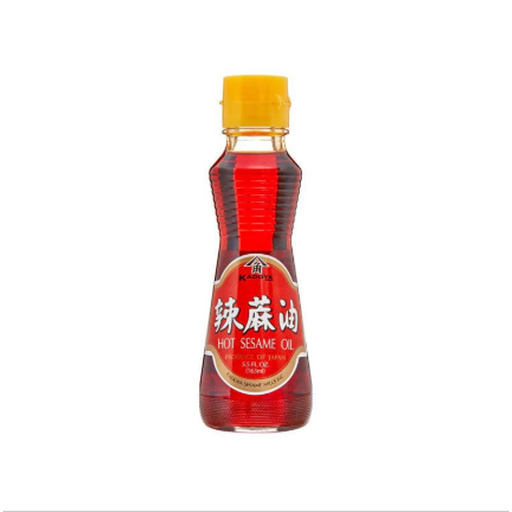
Why This Fits Their Persona: This oil combines the nutty aroma of roasted sesame with a pleasant heat. It is ideal for finishing dishes like ramen, gyoza, or salads, adding depth and a spicy kick.
The ingredient list clearly declares "Sesame oil (99.2%), chili extracts (0.8%)". This confirms it is a pure sesame oil base and not a diluted blend.
Made by Kadoya, a traditional Japanese company (est. 1858); delivers both aroma and heat in one product.
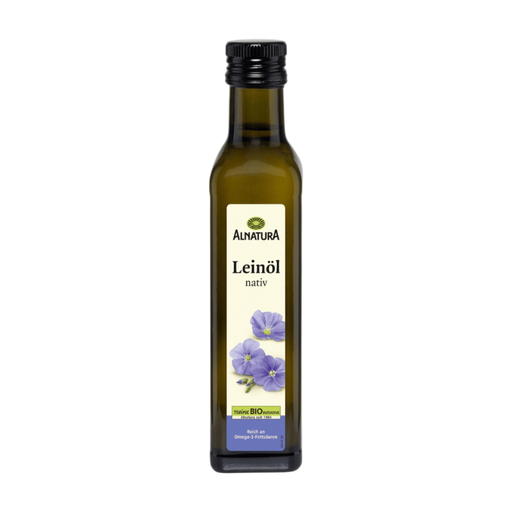
Why This Fits Their Persona: This oil is for users who value a nutrient-rich diet. It is certified organic and cold-pressed, which preserves its high content of omega-3 fatty acids.
The clear instruction not to heat the oil prevents users from destroying the valuable nutrients through incorrect use—a common mistake with delicate oils.
Certified organic (DE-?KO-003); rich in omega-3 fatty acids; ideal for cold preparations (salads, dips, quark).
We have compiled a complete, up-to-date list of products that fully meet these strict selection criteria.
Check the ingredient list for "100% sesame oil." Colour and aroma also provide clues: oil from roasted sesame seeds is darker and highly aromatic, ideal for seasoning. Cold-pressed sesame oil is lighter and milder. The choice depends on the intended use.
Unopened packages should be stored in a cool, dry place away from light. After opening, it is important to keep the product refrigerated and consume it within the period recommended on the packaging to preserve its texture and flavour.
Cold-pressed flaxseed oil should not be heated. High temperatures destroy the delicate omega-3 fatty acids and can cause a bitter taste. It is suitable exclusively for cold dishes, such as in dressings, dips, or for finishing dishes just before serving.