
Lieferung heute & morgen

Qualitätsgarantie

Willkommens-Angebote freischalten: KOSTENLOSE Lieferung | Bis zu 80 % RABATT | Kostenlose 30-Tage-JoyPlus-Testphase
App herunterladen
The ability to buy Asian groceries online has revolutionised home cooking. Authentic ingredients, once found only in specialised city shops, are now available with just a few clicks. However, as the selection grows, so does the risk of encountering products that don't meet expectations for quality and authenticity. Before you fill your cart, you should be aware of three common pitfalls that can lead to disappointment and unnecessary expense.
An informed purchase protects you from these problems and ensures you get exactly what you're looking for: the true taste of Asia.
To ensure your culinary projects are a success, you should pay attention to a few fundamental parameters when selecting an online Asian grocery store. These criteria will help you separate the wheat from the chaff.
A precise and understandable list of all ingredients in English is essential. This is not just a matter of taste, but also of safety. Pay special attention to the bolded labelling of major allergens. In Asian cuisine, these often include:
Transparent declaration is a testament to the provider's reliability.
Reliable online shops not only state the country of origin but also the responsible importer or manufacturer within the EU. This information is a key indicator of compliance with local food standards and builds trust. It allows you to trace the provenance of Chinese specialities or Korean foods.
Check the recommended storage conditions, especially for Asian frozen products. The instruction "Store at or below -18°C" is a must. Before ordering, find out about the shop's shipping methods for frozen goods. The use of insulated packaging and dry ice or cooling packs is critical to maintaining the cold chain all the way to your door.
Choosing the right product largely depends on individual preferences and the intended use. Here are some recommendations tailored to different profiles.
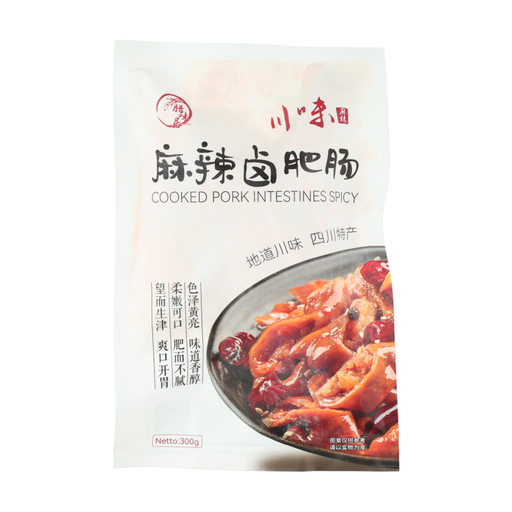
Why it's a great fit: Ideal for anyone seeking the unadulterated, numbing-and-spicy 'mala' flavour of Sichuan cuisine. This ready-to-eat meal is a quick yet authentic option for a meal that makes no compromises on taste.
This dish is explicitly declared as a traditional Sichuan dish and is not adapted to European palates. The ingredient list is detailed and transparent, so you know exactly what to expect.
Authentic flavour profile based on a classic recipe; heated and ready to serve in minutes.
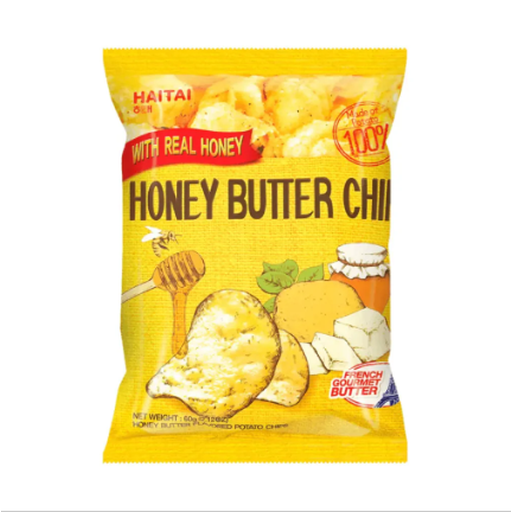
Why it's a great fit: Perfect for the curious and fans of Korean pop culture who want to experience the hype around one of the most iconic Korean snacks for themselves. The sweet and salty combination is unique.
Instead of a generic "Asian chip," you get a well-known brand product (Haitai) with a clear origin in South Korea. The allergen and ingredient information is complete and precise.
Iconic Korean snack with a distinctive combination of sweet acacia honey and savoury butter.
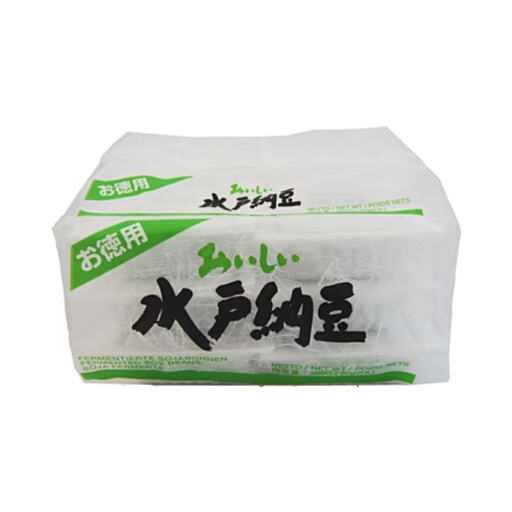
Why it's a great fit: An essential ingredient for a traditional Japanese breakfast that is hard to find in local supermarkets. This product is aimed at cooks who need authentic base ingredients for their dishes.
This Asian frozen product comes with clear thawing and storage instructions. The Germany-based distributor (JFC Germany GmbH) ensures compliance with local food standards and a seamless cold chain.
Authentic fermented soybeans; separate packets of sauce and mustard for easy and traditional preparation.
We've curated a complete, up-to-date list of products that fully meet these strict selection criteria and UK/EU regulations.
The product should be frozen solid on arrival, with no signs of thawed and refrozen ice crystals inside the packaging. The packaging itself should be undamaged and sealed. A reputable online Asian grocery store will ship frozen goods in special insulated boxes with dry ice or cooling packs to maintain the temperature.
Authenticity largely depends on the manufacturer. Brands that specialise in a specific regional cuisine (e.g., Sichuan dishes or Cantonese specialities) often offer a more authentic taste experience than generic "Asian stir-fry" meals. A look at the ingredient list and the brand's origin provides insight. Products from brands like Laweiju, for example, focus on traditional Chinese recipes.
Check the ingredient list in English for unwanted additives or allergens. Japanese snacks often contain milk, soy, and wheat. For Chinese specialities, you should pay attention to the exact composition of the spices and any flavour enhancers like monosodium glutamate (MSG or E621), if you wish to avoid them. A transparent declaration is the most important criterion for making an informed purchasing decision.