
Lieferung heute & morgen

Qualitätsgarantie

Willkommens-Angebote freischalten: KOSTENLOSE Lieferung | Bis zu 80 % RABATT | Kostenlose 30-Tage-JoyPlus-Testphase
App herunterladen
The ability to buy Asian groceries online has transformed the home cooking landscape. Authentic ingredients for a homemade Pad Thai, specialty Korean snacks, or the right soy sauce for sushi are just a few clicks away. However, this vast selection also presents challenges. Not every product advertised as "authentic" lives up to expectations.
As your Joybuy Product Recommendation Officer, I'm here to help you separate the best from the rest. In this guide, I'll show you how to navigate common purchasing traps and find products that truly suit your culinary ambitions.
Before you fill your shopping cart, you should be aware of three common issues that often lead to disappointment or bad purchases.
To ensure you select the right products for your kitchen, you should check three core parameters.
Authentic ingredients are the foundation of a successful dish. Instead of relying on marketing terms, you should scrutinise the ingredient list.
Lap Cheong (Chinese sausage), look for traditional components such as pork, sugar, soy sauce, and rose wine. This combination creates the characteristic sweet-and-savoury aroma.Asian desserts like Grass Jelly, Mesona Chinensis should be listed as an ingredient to ensure the characteristic herbal flavour.The type of packaging provides important clues about shelf life and required storage. For example, when you buy tofu, you'll encounter two common types:
Always check the product description for storage instructions like “Store at -18°C” for frozen goods or “Refrigerate after opening”.
The precise name of a product reveals a lot about its nature and intended use. Korean snacks like Konjac Jelly are a good example. This is a firm, chewy jelly made from the konjac root, often sold in drinkable pouches, which distinguishes it from softer fruit jellies. A clear understanding of the product type helps you find the right texture and flavour for your needs.
Here are some product recommendations tailored to different needs and preferences.
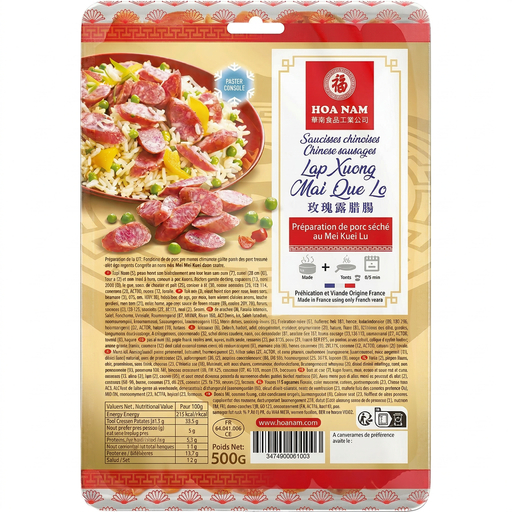
Why This Fits Their Persona: This sausage is an essential ingredient for many classic dishes like clay pot rice or fried rice. It delivers the authentic, sweet-and-savoury flavour required for traditional Chinese recipes.
The ingredient list, with 80% pork, soy sauce, and rose wine, confirms its traditional recipe, bypassing the authenticity trap.
Long shelf life due to being dried and cured; versatile for use in steamed, fried, or braised dishes.
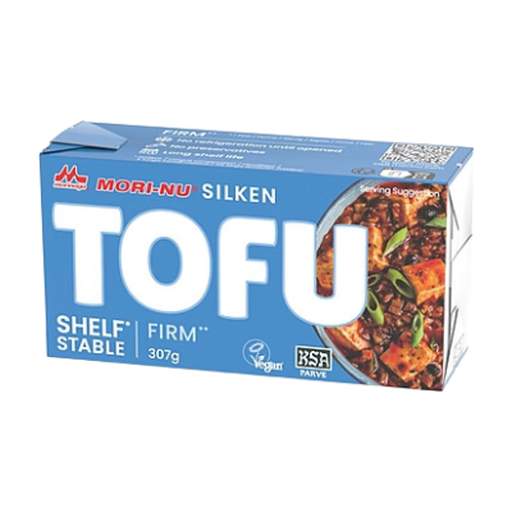
Why This Fits Their Persona: Ideal for anyone seeking a reliable, shelf-stable protein source. This tofu doesn't require refrigeration before opening, making it perfect for pantry stocking and spontaneous meal ideas.
The aseptic Tetra Pak packaging guarantees a long, unrefrigerated shelf life, solving the freshness and storage trap.
Firm, silken texture that holds up well in stir-fries, braises, or pan-fried dishes; high protein content of 7.4g per 100g.
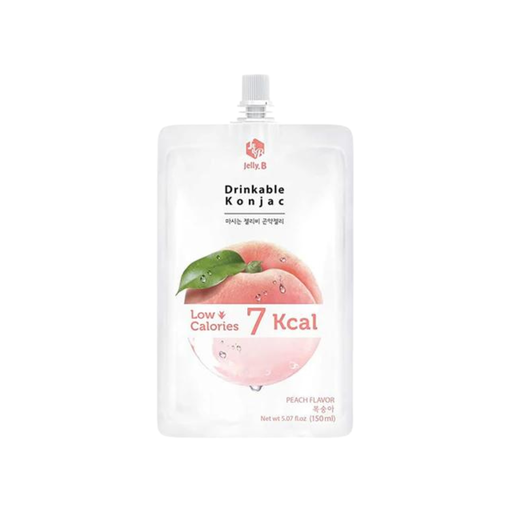
Why This Fits Their Persona: This drinkable snack from South Korea is perfect for on-the-go or as a light, refreshing treat. It caters to the desire for new flavour experiences and modern, convenient food trends.
The nutritional information is precise, highlighting the low calorie count (only 7 kcal) and absence of sugar. This bypasses the ingredient trap of vague health claims.
Convenient, resealable squeeze pouch; sugar-free and low-calorie; pleasant chewy texture from konjac powder.
We've compiled a complete, up-to-date list of products that fully meet these strict selection criteria and all relevant regulations.
1. How can I identify high-quality tofu when buying online? Pay attention to the soybean percentage in the ingredient list—a higher percentage is often a good sign. Also, check the coagulant used (e.g., magnesium chloride/nigari for a more tender taste or calcium sulfate for a firmer texture). The packaging type (aseptic Tetra Pak for long shelf life or a refrigerated tub for sooner consumption) also provides insight into the product's characteristics.
2. How do I properly store Asian sausages like Lap Cheong?Lap Cheong is a dried and cured sausage. Unopened, it can be stored in a cool, dry place. After opening, it should be kept in an airtight container in the refrigerator and consumed within the period specified on the packaging (often within 14 days).
3. Are Korean snacks like Konjac Jelly suitable for a low-sugar diet? Yes, many of these products are a great choice. However, it's important to check the nutrition facts panel. Products like Jelly.B Konjac Jelly use sweeteners such as erythritol instead of sugar, making them sugar-free and very low in calories. Always look for the "of which sugars" line in the nutritional information.