
Lieferung heute & morgen

Qualitätsgarantie

Willkommens-Angebote freischalten: KOSTENLOSE Lieferung | Bis zu 80 % RABATT | Kostenlose 30-Tage-JoyPlus-Testphase
App herunterladen
If you're looking to buy Asian ready meals online, you'll find a huge selection of instant noodles, rice bowls and snacks from Korea, China, Vietnam, Thailand and India. But the differences go beyond just flavour. Portion size, preparation method, allergens and salt content all determine whether a product is right for your daily routine, travel plans or store cupboard.
Some Asian instant meals only need hot water. Others need to be boiled for eight to twelve minutes. Self-heating rice bowls, on the other hand, work with a separate heating pad and require cold water. If you only look at the time on the front of the pack, you can easily miss whether you'll need a kettle, a pan, a microwave or a heatproof surface.
Labels like "Hot", "Sweet & Spicy", "Kimchi" or "Chilli" give you a rough idea, but they don't indicate a standardised level of heat. With Korean Tteokbokki rice cakes, a sweet and savoury sauce can be milder than a red chilli version. With Luosifen rice noodles, pickled bamboo shoots and fermented ingredients influence the taste more than the chilli oil sachet.
Soy sauce, wheat, peanuts, fish or shellfish are often not in the noodles themselves, but in the seasoning, oil or topping sachets. Take the Cung Đình Rice Vermicelli Soup Hu Tieu, for example: according to the product labelling, it contains anchovy fish, soya beans and wheat, among other things. If you have any intolerances, always check the full ingredients list and allergen information on the product page and packaging.
For the office or a small student flat, products with clear microwave or hot water instructions are ideal. Yopokki varieties, for instance, are prepared with around 20 to 50 ml of water and two to three minutes of heating time, depending on the product. Instant rice noodles like Phở or Hủ Tiếu usually require boiling water.
For eating on the go, self-heating rice bowls are a great option. They don't need a hob or microwave, but you must follow the instructions carefully. The heating pad must not come into contact with water before the intended use. Once heated, these meals should be eaten straight away and not reheated.
A 70 to 120 gram cup is better suited as a snack or a quick, small meal. Larger packs of around 245 to 350 grams can be planned as a more substantial single dish. However, the gram weight refers to the whole product; it doesn't tell you anything on its own about the amount of rice, noodles, sauce or toppings.
For hikes, travel and long working days, sturdy single portions are practical. At home, a cooking kit like Xi Luo Hui Liuzhou River Snail Rice Noodle can be a good choice if you want several seasoning and topping components.
Look out for the following information:
For products with incomplete or contradictory information, the labelling on the current packaging should be taken as definitive.
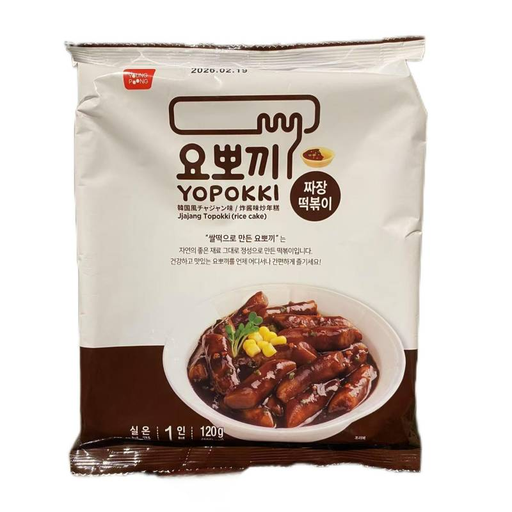
Why this product fits the profile: The 120g cup is designed as a small single portion and can be prepared in the microwave or in a pan. According to the product description, the Jjajang sauce is not labelled as spicy, making it a good, gentle introduction to Korean Tteokbokki rice cakes.
The preparation instructions specify the amount of water, heating time and two possible methods. This means you can assess what kitchen equipment you'll need before you buy.
120g portion, soft rice cakes and a soya-based sauce. According to the labelling, it contains soya and gluten from wheat.
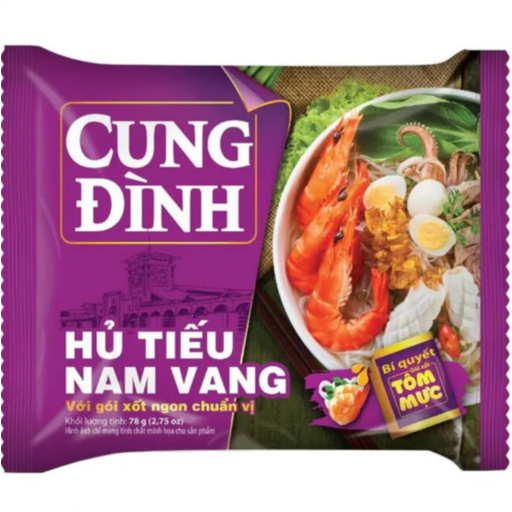
Why this product fits the profile: This Vietnamese Hủ Tiếu dish comes with separate sauce, oil and vegetable sachets. This allows you to measure out individual components and plan the preparation clearly.
The relevant ingredients and allergens are listed in detail. This means you can check before ordering whether fish, soya and wheat suit your dietary needs.
Origin Vietnam, 78g single portion and separate seasoning components with anchovies, garlic, shallots and dried vegetables.
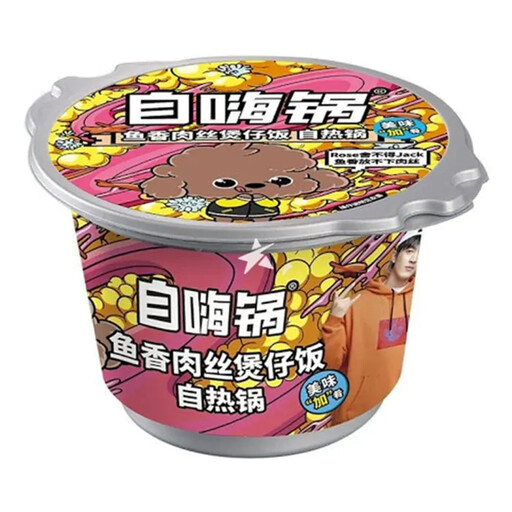
Why this product fits the profile: The 260g bowl is designed for travel, overtime or outdoor activities and heats up without a hob, electricity or microwave.
The product details state around 15 minutes heating time and the use of a cup of cold water. This makes it easier to plan where you'll use it.
Self-heating single portion with rice and sweet and sour shredded pork seasoning. According to the labelling, it contains soya and wheat.
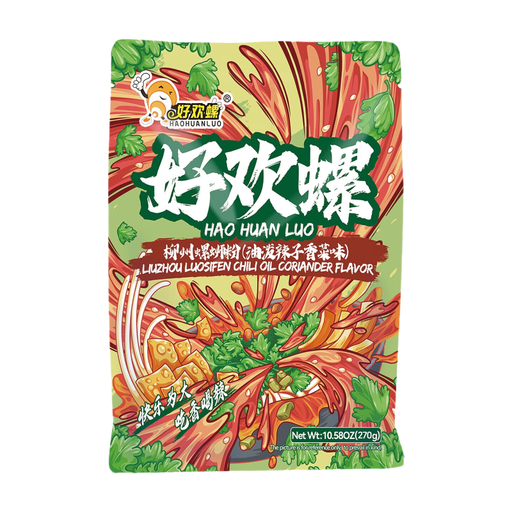
Why this product fits the profile: This Chinese ready meal combines rice noodles with chilli oil, pickled bamboo shoots, peanuts and fermented tofu. It's aimed at shoppers looking for a multi-component cooking kit rather than a simple noodle cup.
The instructions clearly state that it needs to be boiled and takes eight to twelve minutes to prepare. So this is not a simple hot water product.
270g pack with several topping components. According to the product labelling, it contains peanuts and soya.
We've put together a full, regularly updated list of products that fully meet these strict selection criteria and the safety regulations in force in the EU.
Self-heating rice bowls don't need a hob or electricity. For Tteokbokki cups, a microwave or a small pan is usually enough, depending on the product. Instant rice noodles may need hot water, while larger noodle kits often need to be boiled. Always check the instructions before you buy.
The best-before date is on the packaging. Unopened products are usually stored in a dry, cool place away from direct sunlight. Different rules apply after opening or heating: single portions should be eaten straight away. For chilled or opened rice dishes, also follow the specific storage instructions.
That depends on the specific product. Common allergens are soya and wheat, and in certain varieties also fish, prawns or peanuts. Even a product with rice noodles can contain wheat through seasoning sauces or toppings. For a safe choice, always check the current allergen labelling on the packaging.