
Lieferung heute & morgen

Qualitätsgarantie

Willkommens-Angebote freischalten: KOSTENLOSE Lieferung | Bis zu 80 % RABATT | Kostenlose 30-Tage-JoyPlus-Testphase
App herunterladen
Asian snacks offer an incredible range: from Korean seaweed snacks and Chinese date products to Thai fish snacks and Japanese sweets. It's precisely this variety that can make choosing so difficult. Packaging often highlights flavour, origin or special recipes, while important details about allergens, pack size and nutritional values are tucked away in the small print.
Before you buy, it's worth taking a practical look at three typical pitfalls:
In Germany, packaged foods must carry an ingredients list and highlighted allergen information. For Asian snacks, the following are particularly relevant:
For example, the ChaCha Princess Konjac Sesame Flavour 360 g explicitly lists peanuts, soya, sesame and molluscs. Additionally, according to the product information, traces of wheat, crustaceans, eggs, fish and milk may be present. For allergy sufferers, the specific packaging label is therefore decisive.
A single 20 g bag is handy for on the go, but it isn't automatically better value per gram than a larger pack. For film nights or parties, 208 g, 300 g or 320 g can make more sense. Individual portions, on the other hand, are great for lunchboxes, the office or trips, because the contents stay protected until you open them.
The texture should also suit the occasion:
"Light", "high in protein" or "naturally sweet" are hard to assess without a reference point. Always compare the nutritional values per 100 g and also take the actual portion size into account.
With the BENTO Fish Snack Sweet & Spicy Flavour, a 20 g portion contains 69 kcal, 5.2 g protein and 0.96 g salt according to the product information. That's very different from a snack that looks similar per 100 g but is eaten in a larger portion. With the Fang Jia Pu Zi Loulan dates, the ingredients are listed as 100% dried Loulan dates; at the same time, 55 g of sugar per 100 g is declared. This is relevant for dried fruit due to its concentrated composition.
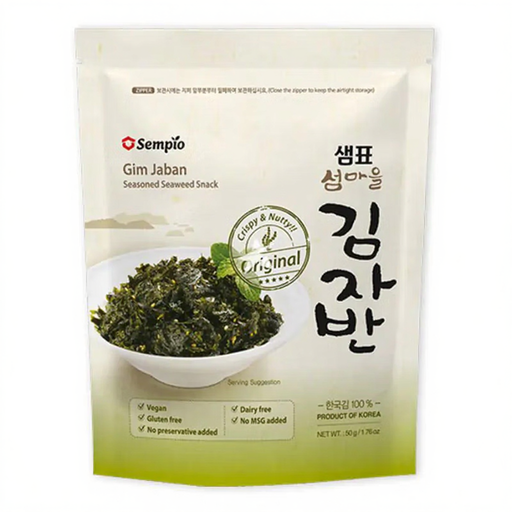
Why this product suits the profile: This Korean seaweed snack comes in a manageable 50 g pack and is ready to eat. That makes it ideal for trying seaweed snacks without committing to a large quantity.
The net weight and ingredients are clearly stated. The mention of sesame makes allergen checking before purchase more straightforward.
Roasted seaweed sheets, sesame and three types of oil used; ready to eat and best consumed straight after opening.
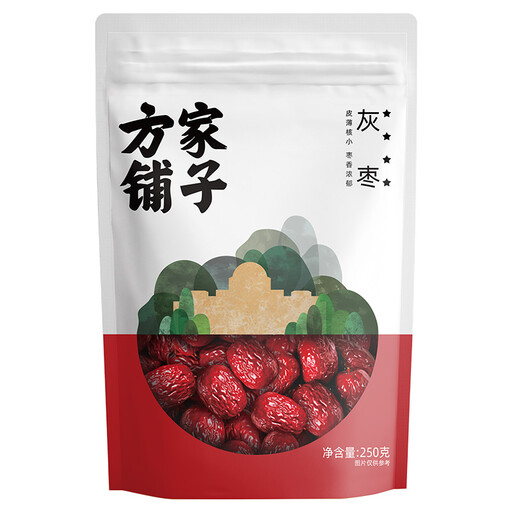
Why this product suits the profile: The pack contains dried Loulan dates with an ingredients list of 100% date. This suits buyers who compare origin, composition and versatile uses.
The "100%" refers to the ingredients list and doesn't replace checking the sugar content. This is transparently stated at 55 g per 100 g.
250 g bag; edible straight away and, according to the product description, also intended for tea, desserts, baked goods and savoury dishes.
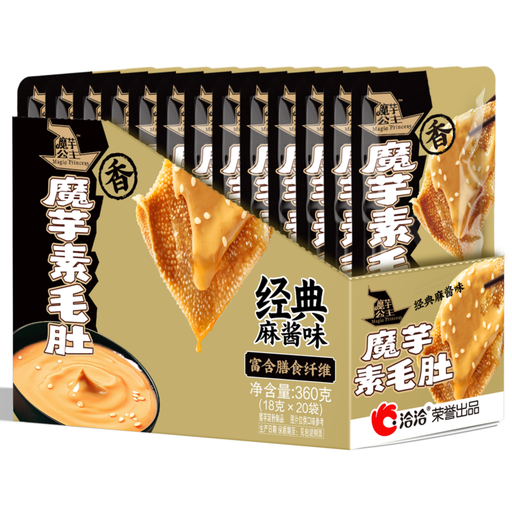
Why this product suits the profile: With 20 packs and a net weight of 360 g, this konjac snack is ideal for stocking up, parties or as an accompaniment to drinks.
The number of portions prevents you from misjudging the pack size. The allergen list explicitly names peanuts, soya, sesame and molluscs.
Chewy konjac base, sesame paste flavour and ready-to-eat individual packs; according to the information, from China.
We've put together a complete, regularly updated list of products that fully meet these strict selection criteria and the safety regulations in force in the EU.
For a film night, Chinese snacks like crispy crackers or the Bestore Seaweed-Flavour Biscuit in a 300 g pack are a good fit. If you prefer something sweet, you'll find Japanese snacks such as Hokuriku Doraemon Cookies with chocolate, or dried fruit like jackfruit and strawberries.
Korean snacks range from shrimp crackers to Kimnori or CJW Seaweed. Thai snacks often focus on spicy fish and seafood varieties, such as BENTO with Sweet & Spicy or Nam Prik seasoning. With beef jerky, you should also pay attention to origin, the use-by date and allergens like soya and wheat.
That depends on allergies, tolerance to spice and the ingredients. Sweet biscuits or mild crackers can be more suitable than chilli, fish or wheat gluten snacks. Always check the allergen labelling and warning notices on the packaging. Some products also contain colourings or sweeteners, which must be explicitly stated.
Store unopened packs in a dry, cool place away from direct sunlight. Once opened, seaweed snacks, crackers and other crispy products should be sealed tightly and eaten promptly. Moisture significantly affects their crunchiness.
There's no one-size-fits-all answer. Compare the price per 100 g, delivery costs, pack size and best-before date. Larger bags can reduce the unit price, while individual portions create less food waste if you don't eat them quickly.