
Lieferung heute & morgen

Qualitätsgarantie

Willkommens-Angebote freischalten: KOSTENLOSE Lieferung | Bis zu 80 % RABATT | Kostenlose 30-Tage-JoyPlus-Testphase
App herunterladen
If you want to buy Asian snacks online, you’ll quickly find a wide selection from Japan, Korea, China, Taiwan and Thailand. But products such as rice crackers, mochi, seaweed snacks and tteokbokki rice cakes can differ considerably in their ingredients, allergens, spice level, pack size and preparation.
The product name alone isn’t enough to help you choose. What matters is whether the snack suits your taste, how you plan to use it and your personal requirements.
Descriptions such as ‘spicy’, ‘original’ or ‘seaweed’ don’t always tell you how intense a flavour really is. A spicy rice cracker might contain chilli powder, Sichuan pepper, garlic or several flavour enhancers. If you prefer mild snacks, check the ingredients list and nutrition table.
It’s also worth checking the rice content in Japanese rice crackers, Chinese snacks and Taiwanese snacks. This can vary considerably from one product to another.
Rice doesn’t automatically mean a product is free from gluten or other allergens. Some rice crackers also contain soya, wheat or gluten, sesame, milk or fish. Sauce powders and seasoning mixes may also contain relevant ingredients.
If you have allergies or follow a particular diet, always check the information on the product page and packaging. Recipes and packaging details can change.
Crispy snacks such as seaweed rice crackers and mochi are usually stored in a dry place. Korean rice cakes, on the other hand, are often vacuum-packed and should be kept in the fridge after opening. If you won’t finish the pack within a few days, check the stated shelf life after opening.
Check the following first:
Crispy snacks are generally ready to eat. These include classic rice crackers, spicy rice crackers and mochi. Korean tteokbokki rice cakes, however, need to be boiled or heated in sauce before eating.
For tteokbokki, choose long rice cakes or sliced varieties for tteokguk. Depending on the product, the stated cooking time is around three to ten minutes. Before cooking, you can rinse the rice cakes or soak them if required.
Small 60 to 80g packs are ideal for trying something new. Bags of 150 to 210g are more practical for sharing or for several snack breaks. For Korean rice cakes, 500 to 600g is a good size if you regularly make tteokbokki, soups or stir-fries.
Check the storage instructions after opening. Crispy products should be kept in a dry place in a tightly sealed pack. Depending on the manufacturer’s instructions, rice cakes should be refrigerated after opening and used within two to three days.
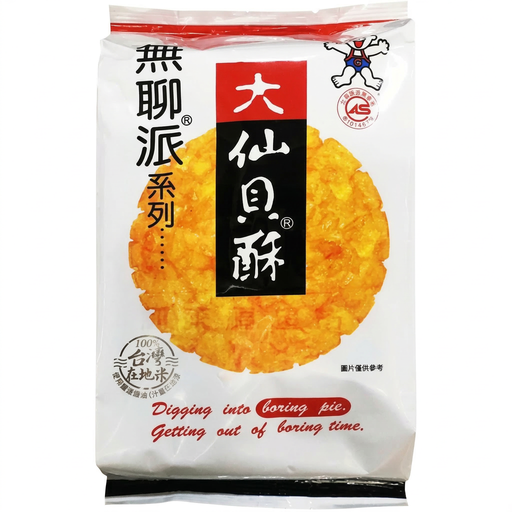
Why it suits this profile: The 155g bag is an easy way to try classic Chinese rice crackers, and they’re ready to eat straight away.
The rice content is listed as 60.91 per cent. Allergens including rice, wheat, soya and sesame are declared.
A crunchy texture, a 155g pack and an original flavour with no listed heat.
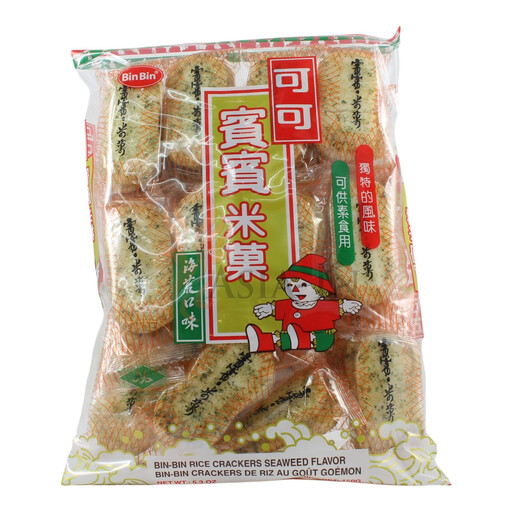
Why it suits this profile: The recipe lists 64.8 per cent rice and 0.8 per cent seaweed, giving you a clear idea of its flavour profile.
The allergen information lists soya and wheat. Possible traces of egg, milk, celery, mustard and sesame are also noted.
A 150g pack of crunchy rice crackers, seasoned with seaweed and a slight hint of heat.
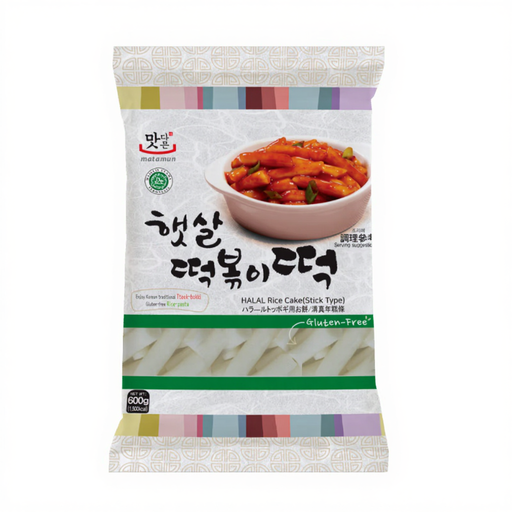
Why it suits this profile: The 600g pack is designed for making tteokbokki, soups and stir-fries on a regular basis. The product information states that it is halal.
The ingredients and cooking instructions are clearly stated: rinse, then heat in sauce or soup for three to five minutes.
99.1 per cent rice according to the ingredients list, a 600g pack and ‘no listed allergens’ information.
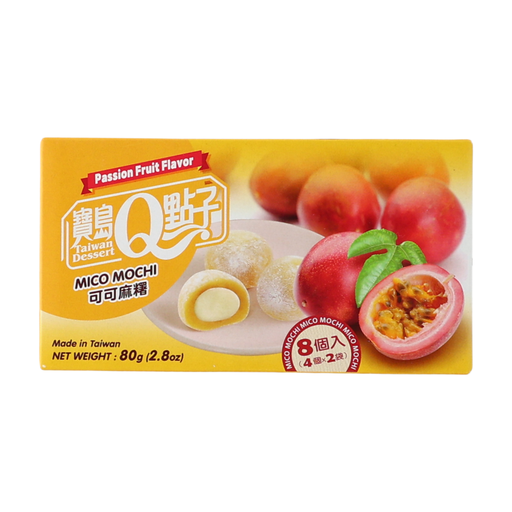
Why it suits this profile: This mochi combines a chewy rice coating with cocoa, passion fruit, red bean, peanut and sesame components.
The product information lists peanuts and sesame as allergens, so you can check whether it’s suitable before buying.
An 80g pack that’s ready to eat, with a combination of sweet, fruity and nutty flavours.
We’ve put together a complete, regularly updated list of products that meet these strict selection criteria and fully comply with the safety regulations in force in the EU.
Mild rice crackers with an original flavour are usually easier to judge than heavily seasoned varieties. If you prefer something sweet, you could buy mochi and start with a small 80g pack. You should still check the ingredients and allergen information before eating.
It depends on the product. For the Matamun varieties mentioned, opened packs should be kept in the fridge and used within two to three days. Always follow the specific manufacturer’s instructions on the packaging and product page.
Spicy rice crackers often contain chilli, pepper or seasoning mixes. Seaweed rice crackers pair a crunchy rice base with seaweed, and are often seasoned with soya sauce. When comparing products, consider the spice level, salt content and allergens.