
Lieferung heute & morgen

Qualitätsgarantie

Willkommens-Angebote freischalten: KOSTENLOSE Lieferung | Bis zu 80 % RABATT | Kostenlose 30-Tage-JoyPlus-Testphase
App herunterladen
When the craving for a quick, warming, and flavourful meal strikes, reaching for a pre-made Asian soup is a natural choice. The selection is vast, ranging from Japanese miso soup to spicy Chinese noodle dishes. However, those looking to buy Asian soups online often face a challenge: does the product live up to the promises on its colourful packaging? Many buyers are left disappointed by bland taste or misleading product descriptions.
This guide will help you avoid the common pitfalls. We'll show you which objective criteria to consider to make an informed purchasing decision and enjoy an authentic, quick meal.
Disappointment after buying a supposedly exotic soup often stems from the same issues. If you know what they are, you can actively avoid them.
To find the right Asian soup for your needs, you should check three central aspects. These will give you reliable guidance beyond marketing promises.
The most important distinction relates to the preparation method. Before buying, clarify how much time and effort you want to invest.
The ingredient list is the most objective indicator of a soup's quality and authenticity.
For a health-conscious diet, a quick look at the nutrition table is essential. Compare the salt and sugar content per 100g or 100ml to get a feel for the product. This is particularly relevant if the soup is consumed regularly.
Based on these objective criteria, we have selected a few products from our range that are suitable for different user profiles.
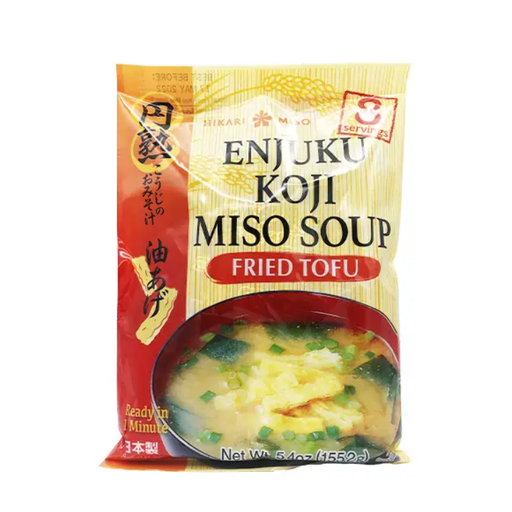
Why This Fits Their Persona: Ideal for a quick yet high-quality lunch break at the office. Preparation only requires hot water and a mug, making it a hassle-free and authentic option for a fast meal.
This product bypasses the "authentic style" trap by using real, matured "Enjuku" Koji miso paste instead of powder. This ensures a deep, complex umami flavour.
The separate packets for paste and garnish (including wakame seaweed) preserve the freshness and texture of the ingredients. Made in Japan by a specialised miso producer.
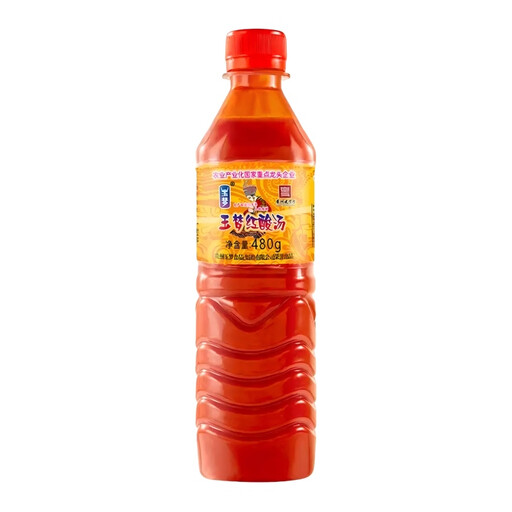
Why This Fits Their Persona: Perfect for anyone looking for an authentic base for their own creations. This Chinese soup base allows for the preparation of regional specialities like sour soup fish or a spicy hot pot.
The product is clearly declared as a soup base, thus avoiding the trap of incorrect preparation expectations. The description explicitly highlights its use for dishes like hot pot or sour soup beef.
Offers an authentic, sour-spicy flavour from Guizhou cuisine that is difficult to replicate from scratch. The ingredients are based on local tomatoes and chillies and are traditionally fermented.
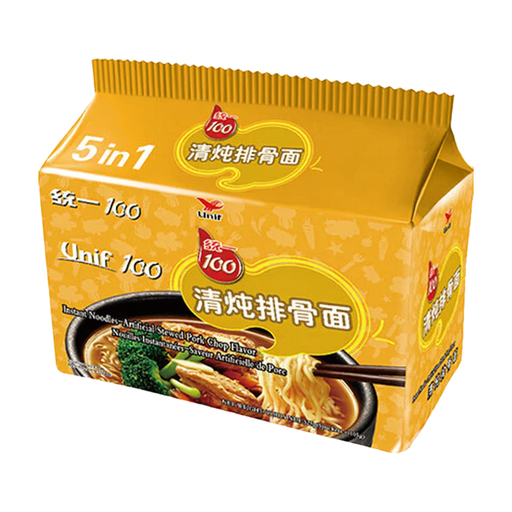
Why This Fits Their Persona: A classic, budget-friendly, and filling instant noodle soup. It provides a complete meal in minutes, making it a practical solution for student life between lectures and study sessions.
This product is an honest instant noodle soup. It doesn't promise gourmet quality but reliably delivers a quick, warm, and filling meal that fully meets the expectations for such a product.
The package contains multiple servings, offering great value for money. The preparation is extremely fast and straightforward, making it a dependable option for a quick meal.
We've compiled a complete, up-to-date list of products that meet these strict selection criteria.
Yes, absolutely. A simple instant noodle soup can easily be transformed into a richer meal. For example, add a soft-boiled egg, fresh spring onions, blanched spinach, corn kernels, or thin slices of fried chicken. This not only improves the taste and texture but also increases the nutritional value.
Most dry instant soups, like packet soups or noodle packs, have a long shelf life of 12 to 24 months. You can find the exact date on the packaging under "Best before". Store the products in a cool, dry place. Ready-to-eat soups in pouches or cans should be refrigerated after opening and consumed quickly.
Miso paste is a traditionally fermented paste made from soybeans that offers a rich, complex, and authentic umami flavour. It needs to be dissolved in hot (not boiling) water. Miso powder is a dehydrated, powdered version. It is often easier to handle but tends to have a less nuanced flavour profile. For a more authentic miso soup experience, products with paste, like those from Hikari Miso, are often preferred.