
Lieferung heute & morgen

Qualitätsgarantie

Willkommens-Angebote freischalten: KOSTENLOSE Lieferung | Bis zu 80 % RABATT | Kostenlose 30-Tage-JoyPlus-Testphase
App herunterladen
Anyone who has tried to create authentic Asian dishes quickly realizes that standard table sugar often falls short. The unique depth of a Thai curry, the silky sweetness of a Chinese dessert soup, or the gleaming glaze on a braised dish depends heavily on using the right type of sugar. But the selection can be overwhelming: palm sugar, rock sugar, brown sugar—each variety has a unique profile.
This guide will help you understand the different types of Asian sugars and find the right product for your next culinary project. As your Joybuy Product Recommendation Officer, I have gathered the relevant information to provide an objective basis for your decision when you want to buy Asian sugar.
The right choice of sugar depends on your recipe and personal taste preferences. Here are some objective criteria to help you select the best option.
The type of sugar is the primary factor determining the flavor, color, and texture of your dish.
Asian sugar is available in various forms that differ in their handling.
Here is a selection of different sugar varieties suitable for various applications in Asian cuisine.
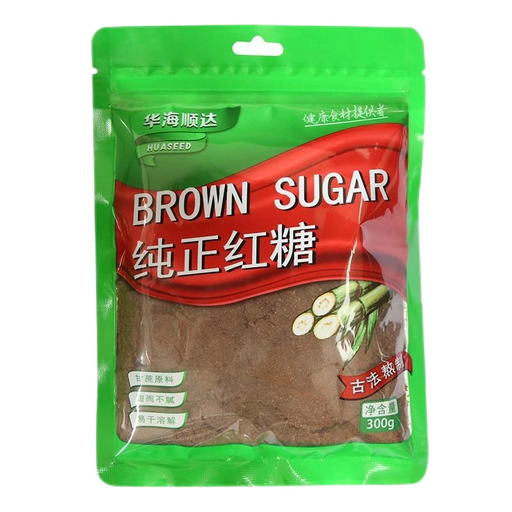
What makes it stand out: This Chinese brown sugar, also known as Hong Tang, offers an intense molasses flavor with a distinct caramel note. Its fine, granulated texture ensures it dissolves effortlessly in liquids, making it a convenient ingredient for a wide range of dishes.
Benefits:
Best for: Ideal for home cooks who want to prepare authentic Chinese sweets like red bean soup, sticky rice balls (tangyuan), or ginger tea. It's also great for braised dishes, to which it adds a beautiful color and depth of flavor.
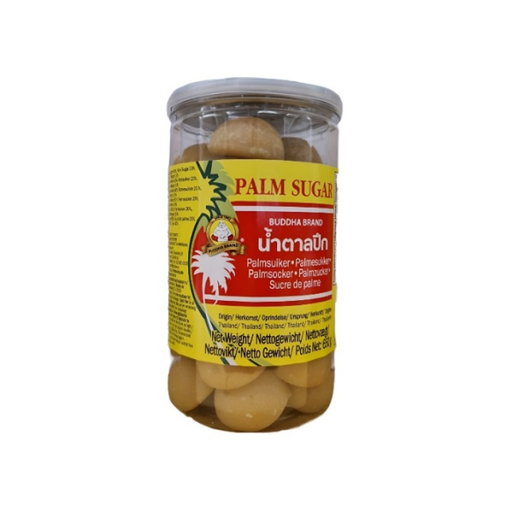
What makes it stand out: This sugar blend in a convenient 650g jar combines cane sugar with 20% palm sugar and glucose syrup. The result is a soft, smooth consistency and a deep, caramel-like aroma characteristic of palm sugar. The glucose syrup prevents crystallization and makes the sugar easy to portion.
Benefits:
Best for: A great choice for lovers of Southeast Asian cuisine, especially for preparing Thai curries, marinades, and dipping sauces. Its easy handling also makes it practical for sweetening drinks or as a topping for desserts.
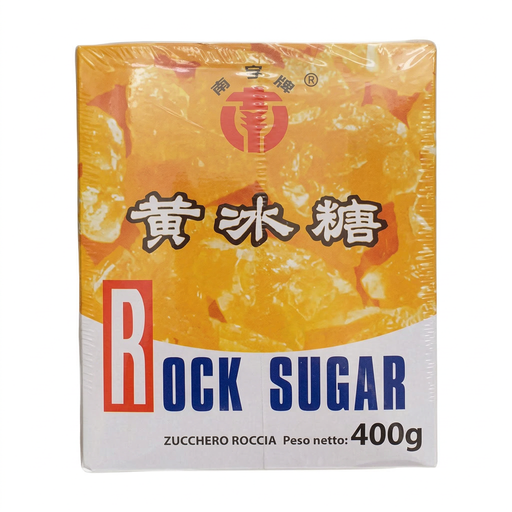
What makes it stand out: This yellow rock sugar (Huang Bing Tang) consists of large, amber-colored crystals produced through a slow crystallization process from sugarcane juice. Compared to white sugar, it offers a milder, more complex sweetness with subtle caramel notes.
Benefits:
Best for: Perfect for preparing traditional Chinese dishes where a subtle sweetness and clear texture are desired. It is commonly used in herbal teas, tonic soups, and for glazing braised meats like "Hong Shao Rou" (red-braised pork).
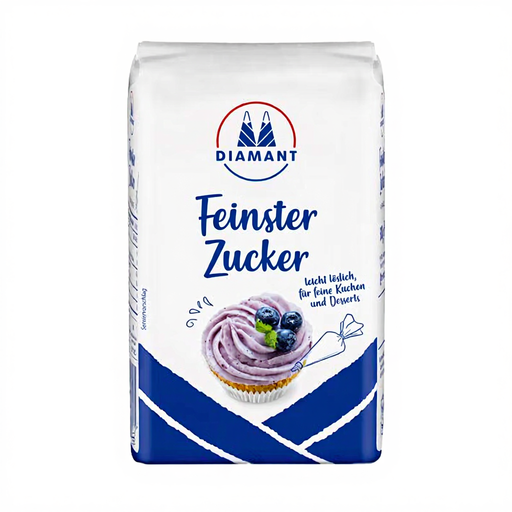
What makes it stand out: As an alternative to specialty sugars, this extra-fine refined sugar serves well. Its crystals are particularly small and dissolve extremely quickly, making it a versatile helper for a wide range of applications where a neutral, uniform sweetness is required.
Benefits:
Best for: For anyone looking for a reliable all-purpose sugar for patisserie or for recipes where the characteristic flavor of molasses or palm sugar is not desired. It is a good complement to have on hand when you prepare classic cakes or desserts in addition to Asian specialties.
This selection covers some of the most common needs. However, if you want to order specialty sugars online or simply browse, you can find additional products in our broader category.
Discover more baking ingredients and sugars
1. What is the difference between palm sugar and brown sugar? The main difference lies in their origin and flavor profile. Palm sugar is derived from the nectar of palm tree blossoms (e.g., coconut or date palms) and has an earthy, caramel-like aroma. Chinese brown sugar is made from sugarcane and retains some of its molasses due to less refining, which gives it a robust, slightly malty flavor.
2. Can I substitute Asian sugar with regular table sugar? Technically, a substitution is possible, but you will lose the authentic flavor profile. Specialty sugars like palm sugar or Hong Tang bring a complexity and depth that white sugar cannot provide. In dishes like Thai curry or Chinese braises, the unique flavor of the sugar is an essential part of the overall aroma.
3. What is the best way to store specialty sugar? Most sugar varieties, especially those with higher moisture content like brown sugar or palm sugar paste, should be stored in an airtight container in a cool, dry place. This prevents the sugar from absorbing moisture, hardening, or clumping. Solid blocks or pastes will stay fresh for a long time in their original packaging or in a sealed container.