
Lieferung heute & morgen

Qualitätsgarantie

Willkommens-Angebote freischalten: KOSTENLOSE Lieferung | Bis zu 80 % RABATT | Kostenlose 30-Tage-JoyPlus-Testphase
App herunterladen
Preparing authentic Asian dishes at home is becoming increasingly popular. However, finding the right ingredients can be a challenge, especially when you want to buy Asian vegetables online. The variety of products is vast, but not every option lives up to its promise. The wrong product variants or unclear labelling can spoil the cooking experience. This guide will help you avoid common pitfalls and specifically select the right products for your kitchen.
Before you make your selection, you should be aware of two common problems that can lead to disappointment:
To ensure you find the right Asian ingredients for your culinary projects, check the following three criteria before you buy. They will help you objectively assess a product's quality and suitability.
The way a vegetable is processed has a significant impact on its texture, flavour, and how it can be used.
A transparent ingredient list is your most important tool. Pay attention to the order of the ingredients and any unwanted additives. A high salt (sodium) content or added sugar can mask the vegetable's natural flavour. For allergy sufferers, checking for declarable substances like sulfites is essential. If you're looking to buy taro or find a wakame salad, a glance at the nutrition facts will provide information on calorie and fat content.
The shape of the vegetable is important for preparation. Do you need fine strips for a soup, thick slices for a hot pot, or whole pieces as a side dish? Products like bamboo shoots are available as tips, strips, or slices. Choosing the right cut saves you preparation time and ensures that the vegetables for stir-fries and other dishes have the desired texture in the final meal.
Here are some product recommendations tailored to different needs and cooking styles.
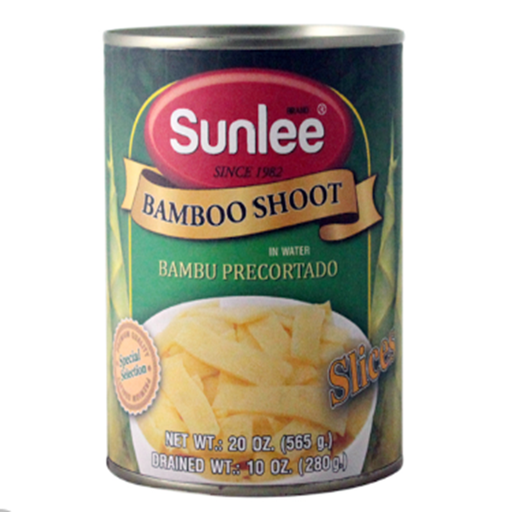
Why it's a great fit: Perfect for anyone taking their first steps in stir-fry cooking. The bamboo slices are packed in water, have a neutral flavour, and a pleasantly crisp texture that doesn't distract from the main dish. They are ready to use and straightforward to handle.
This product bypasses the "wrong preservation method" trap. Because it's packed in water, not vinegar, it delivers the pure, mild bamboo flavour needed for most stir-fry dishes.
The ingredient list is short and clear: bamboo shoots, water, and citric acid for stabilisation. With only 12 kcal per 100g and no fat, it's a light ingredient.
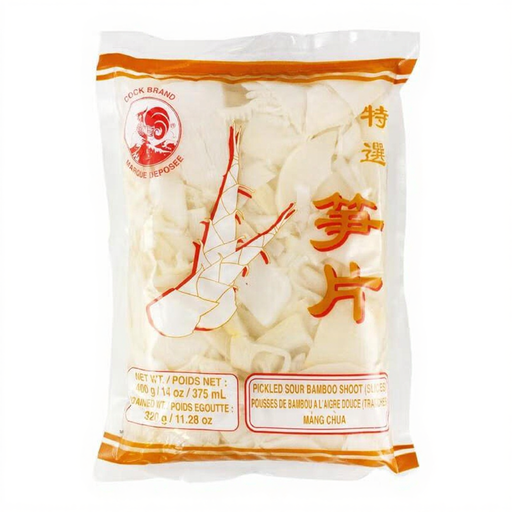
Why it's a great fit: For cooks specifically seeking the sour, tangy flavour of fermented bamboo, as is traditionally used in many Southeast Asian soups and salads. This product delivers exactly that specific flavour profile.
The product name "Sour Bamboo" is unambiguous, preventing buyers from accidentally purchasing an ingredient with an unexpectedly strong flavour. It is clearly positioned as a specialty ingredient.
Offers a hard-to-find, authentic flavour note for traditional dishes. The product is vegan, gluten-free, and contains no artificial colours.
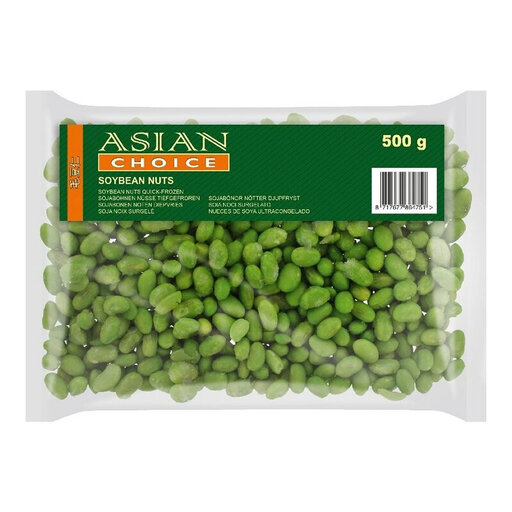
Why it's a great fit: Edamame are an excellent source of plant-based protein. Frozen and in their pods, they are ideal as a nutritious snack, an appetiser, or a protein-rich addition to salads and bowls. Preparation is incredibly simple: just boil for a few minutes.
This product avoids the "hidden additives" pitfall. The ingredient list consists of just one item: soybeans. There is no added sugar, salt, or preservatives.
High in protein (11g per 100g) and fibre. Freezing optimally preserves freshness and nutrients, ensuring you get a pure and nutritious product.
We have compiled a complete, up-to-date list of products that fully meet these strict selection criteria and current regulations.
1. What is the difference between bamboo shoots in water and pickled bamboo? Bamboo shoots in water (or brine) have a mild, neutral flavour and a crisp texture. They are versatile for use in stir-fries, soups, and salads. Pickled bamboo has been fermented and has a distinctly sour taste. It is a specialty ingredient for certain traditional dishes and should not be used as a universal substitute.
2. How do I properly store opened cans or packages of Asian vegetables? After opening, leftovers from a metal can should always be transferred to a non-metallic, airtight container (e.g., glass or plastic). Stored in the refrigerator, they are typically good for another two to three days. Always follow the specific instructions on the product packaging.
3. Are frozen edamame or lotus roots already cooked? No, as a rule, frozen vegetables like edamame or lotus root are raw and must be cooked before consumption. The cooking instructions on the packaging will specify the exact preparation time, which is usually just a few minutes. The product should be heated through completely before serving.