
Lieferung heute & morgen

Qualitätsgarantie

Willkommens-Angebote freischalten: KOSTENLOSE Lieferung | Bis zu 80 % RABATT | Kostenlose 30-Tage-JoyPlus-Testphase
App herunterladen
The sheer variety of Asian noodles can be a challenge for home cooks and enthusiasts of Asian cuisine. Choosing the right type is crucial for creating an authentic dish, but the differences between rice, wheat, and glass noodles aren't always obvious at first glance. This guide is designed to help you find the perfect noodle for your culinary project by highlighting the characteristics and ideal uses of various types. This way, you can confidently buy Asian noodles and take your dishes to the next level.
As your Joybuy Product Recommendation Officer, I have curated a selection of noodle varieties that are distinguished by their specific properties, making them perfect for various classic dishes.
To make the right choice in an online Asian market or at the supermarket, two criteria are particularly helpful: the base ingredient and the shape of the noodle.
The noodle's foundation has the biggest impact on its cooking behaviour and mouthfeel.
The shape and thickness are also crucial for the final result.
Here is a selection of noodles that are particularly well-suited for specific preparation methods.
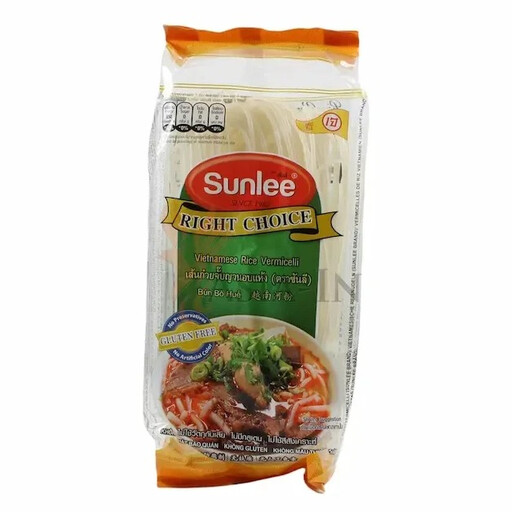
Why they stand out: These thick rice noodles are the specific and authentic ingredient for preparing Bún bò Hu?, a famous spicy beef noodle soup from Central Vietnam. Made with just two ingredients—rice and water—they highlight a commitment to a pure product. The Sunlee brand has been known for its quality ingredients since 1982.
Benefits:
Best for: Cooks who want to prepare a traditional Bún bò Hu? soup with the designated noodle type.
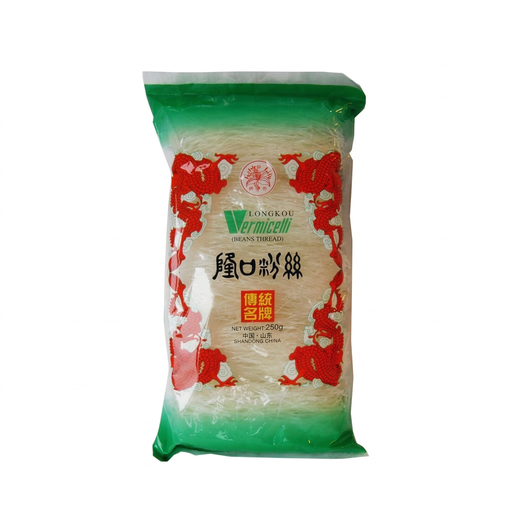
Why they stand out: These glass noodles from the Golden Lily brand are made from a blend of pea and mung bean starch. After soaking and cooking, they achieve their characteristic transparent appearance and a delicate, springy texture. Their ability to absorb the flavours of liquids makes them a highly versatile ingredient.
Benefits:
Best for: Anyone looking for a versatile noodle for glass noodle salads, as a soup addition, or for fillings in dumplings and summer rolls.
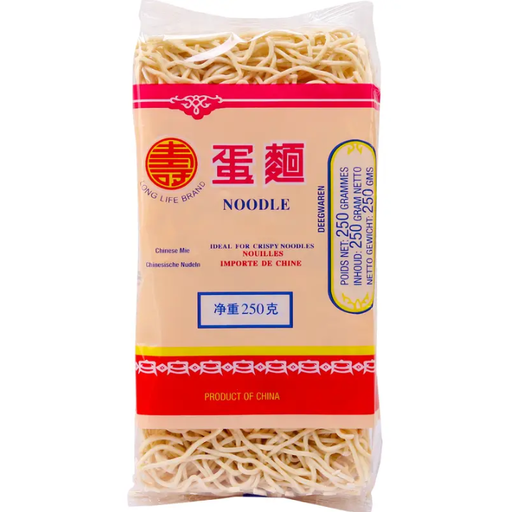
Why they stand out: These classic Chinese egg noodles are made from wheat flour with an 8% egg content, giving them a golden colour and a rich flavour. Their firm, chewy texture ensures they remain firm to the bite, even when prepared in a wok or in soups.
Benefits:
Best for: Fans of Chinese stir-fry dishes like Lo Mein, as well as for rich noodle soups that call for a noodle with a good bite.
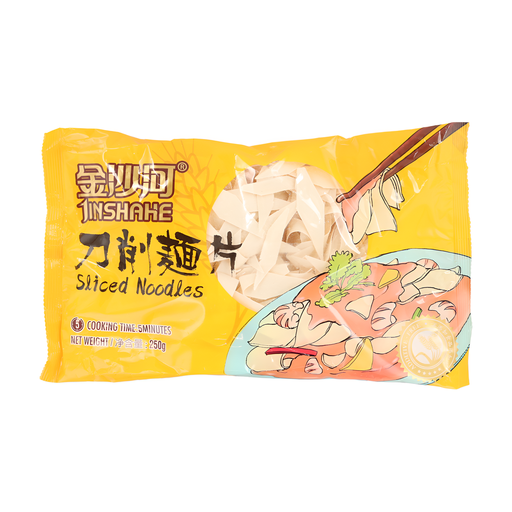
Why they stand out: These wide wheat noodles in the "knife-cut" style (Dao Xiao Mian) are characterized by their rustic, uneven shape. This structure provides an interesting mouthfeel and allows the noodles to absorb sauces and broths particularly well. The ingredient list is intentionally simple, with just wheat flour, water, and salt.
Benefits:
Best for: Cooks looking for a substantial noodle with an authentic, handmade-style character for hearty dishes.
This selection represents just a small part of the fascinating world of Asian noodles. If you are looking for other varieties or specific package sizes, you can find more authentic noodle varieties in our assortment.
? Discover more products in the 250g Noodles category here.
Rice noodles are made from rice flour and water. After cooking, they are white and opaque, with a texture that ranges from soft to chewy depending on the type. Glass noodles, like Longkou Vermicelli, are made from starch (e.g., from mung beans, peas, or sweet potatoes). They become transparent when cooked and are characterized by a smooth and springy consistency.
For stir-fries made in a wok, noodles with a firm, elastic structure are best, as they can withstand the heat without falling apart. Chinese egg noodles and wide wheat noodles (like knife-cut noodles) are excellent choices. They remain firm to the bite even after frying and absorb the flavours of the sauce well.
Pay attention to the product description and the ingredients list. Authentic noodle varieties often have a short, traditional list of ingredients. The product name frequently provides a clue about its intended use, such as with noodles for Pho or Ramen. A specialized online Asian market typically offers a curated selection, making it easier to find the right product for a specific dish.