
Lieferung heute & morgen

Qualitätsgarantie

Willkommens-Angebote freischalten: KOSTENLOSE Lieferung | Bis zu 80 % RABATT | Kostenlose 30-Tage-JoyPlus-Testphase
App herunterladen
When you buy baby food online, it’s not just about the price per pack. What really matters is choosing the right age stage, understanding the ingredients list, and finding a preparation method that fits safely into your family’s daily routine. The requirements vary significantly between infant formula, baby porridge, fruit purée and toddler snacks.
“From birth”, “from 6 months” or “from 1 year” are not interchangeable marketing claims. An infant formula from birth is designed for a different feeding phase than follow-on formula from 6 months. The same goes for baby porridge and pouches – parents should always check the specific age recommendation on the packaging.
A product labelled “from 10 months” may also contain a different indication, such as “from 12 months”, depending on the product information. So always rely on the current details on the label and your child’s individual development.
A pouch with no added sugar can still contain naturally occurring sugars from apples, bananas or other fruits. This is different from added household sugar. When choosing, it’s worth checking:
Pouches should ideally be offered under supervision and preferably from a spoon. This supports a mindful eating routine and reduces prolonged sucking from the pouch.
Organic baby food can be identified by the EU organic logo or the German organic seal. However, parents should still check for allergens, grain types, milk content and the recommended age stage. Terms like “with vitamins” or “age-appropriate” should be assessed against the actual nutritional information, not taken at face value.
The product category should match your baby’s current feeding stage:
For infant starter formula, it’s also important to prepare it exactly according to the pack instructions. The water, powder quantity, temperature and storage all affect safe use.
Dairy products may contain milk, fish oil, soya or gluten, among other things. This applies to milk porridges, infant formula and cereal products. If you’re looking for a gluten-free product, don’t just check the front of the pack – look at the full ingredients and allergen labelling.
Even “natural ingredients” are no substitute for a proper check. A fruit purée might list apples, mango and peach; a muesli could contain wheat, oats, barley or spelt.
A large tin isn’t automatically more economical if it has to be used up within a few weeks of opening. Check:
Ready-made jars and pouches have their own rules. Once opened, they are usually stored sealed in the fridge and used within the stated time.
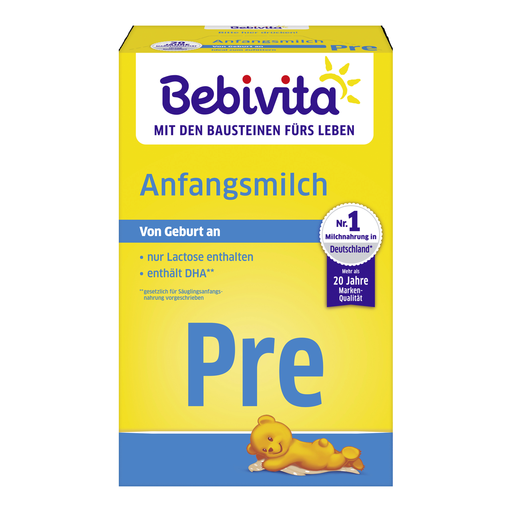
Why this product fits the profile: The 500g pack is ideal for families looking for a manageable quantity of pre-milk from birth. According to the product information, it contains only lactose as a carbohydrate source and DHA in line with the requirements for infant starter formula.
The clear “from birth” labelling makes it easy to identify. Once opened, the pack should be used within three weeks according to the product information.
500g content, German origin information and a detailed dosage table for several age ranges.
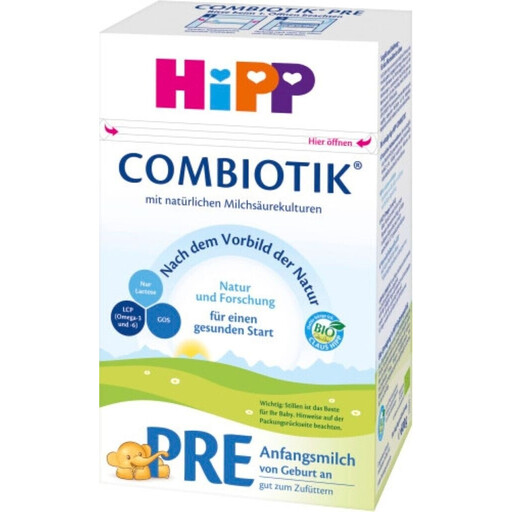
Why this product fits the profile: If you want to cross-check organic certification, a detailed ingredients list and an infant formula from birth, this product offers all of these clearly stated.
The organic origin is clearly stated in the product information. However, allergens such as milk and fish still need to be checked.
600g pack size, organic ingredients and nutritional information per 100ml.
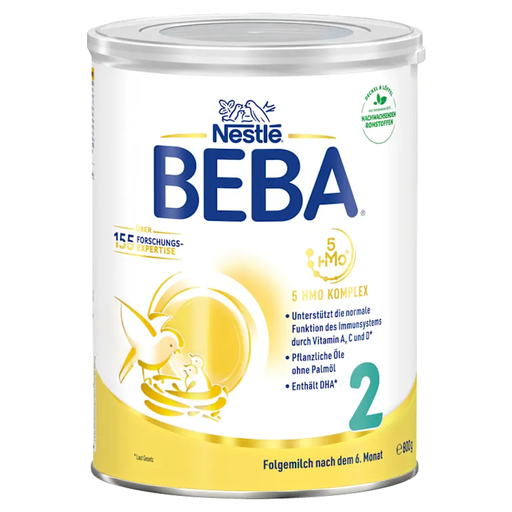
Why this product fits the profile: The 800g tin is designed for families at the weaning stage who regularly use follow-on formula from 6 months or from the age stated on the pack.
The age stage is clearly stated. According to the product information, the tin should be used within 28 days of opening.
800g content, DHA from algae oil according to the product description, and preparation instructions for 100ml servings.
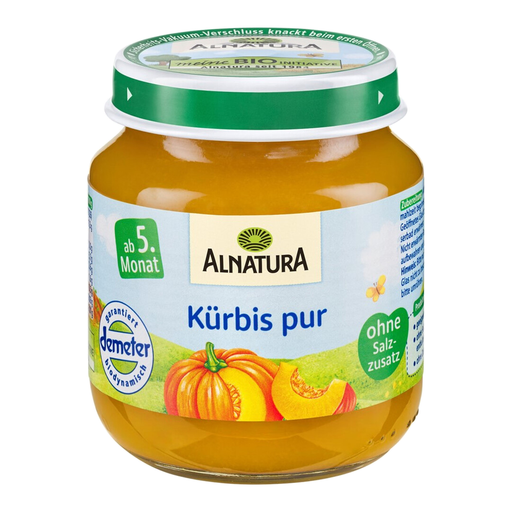
Why this product fits the profile: This single-ingredient jar is ideal for parents who prefer a short ingredients list when starting weaning.
The ingredients list shows 95% organic pumpkin and water; no added salt according to the product information.
Demeter organic quality according to the product information, gluten-free and can be stored in the fridge until the following day after opening.
We’ve put together a full, regularly updated list of products that fully meet these strict selection criteria and the safety regulations in force in the EU.
For feeding from birth, look for products clearly labelled as infant starter formula or pre-milk from birth. Check the age indication, preparation instructions and allergens. If you have any questions about feeding or your child has special needs, consult your paediatrician or another qualified medical professional.
This depends on the specific product. Based on the information provided, the periods range from around three to four weeks. The tin should be stored dry at room temperature, kept tightly sealed and used within the stated time. Prepared formula should be offered fresh; leftovers should not be reused.
Jars and pouches are convenient, but once opened they should be stored according to the pack instructions. Fruit purée should ideally not be sucked continuously from the pouch. Also check for undamaged packaging, the age stage, any allergens and the “no added sugar” claim – without assuming it means “sugar-free”.