
Lieferung heute & morgen

Qualitätsgarantie

Willkommens-Angebote freischalten: KOSTENLOSE Lieferung | Bis zu 80 % RABATT | Kostenlose 30-Tage-JoyPlus-Testphase
App herunterladen
The world of spirits is vast, yet few categories are as fascinating and complex as Baijiu. As China's national drink, this spirit boasts a centuries-old history and is steadily gaining traction in Germany. However, those looking to buy Baijiu for the first time often face a challenge: the sheer variety of styles, aromas, and brands can be overwhelming.
This guide serves as your compass. It explains the fundamental differences between Baijiu varieties, provides practical tips for selection, and introduces some noteworthy products available in Germany. The goal is to equip you with the information you need to make an informed decision.
Before you select a bottle, the following three points will help you better understand the world of Baijiu and find the right product for your palate or occasion.
The flavour of Baijiu is largely determined by its aroma profile. This classification is the most important indicator for making a selection. The four main categories are:
Traditional Baijiu often has a high alcohol content of over 50% ABV and is enjoyed neat in small glasses in China, usually during meals. For newcomers or for use in mixed drinks, modern varieties with lower alcohol content are now available. For example, a fruity Baijiu with 20–30% ABV is an excellent base for a light Baijiu cocktail.
Although sorghum is the most common ingredient, other grains such as wheat, rice, glutinous rice, corn, or peas are also used to produce this Chinese spirit. The selection and combination of grains have a significant impact on the final flavour profile. For instance, a Baijiu made from five grains (sorghum, rice, glutinous rice, wheat, corn) will exhibit a different aromatic spectrum than a pure sorghum spirit.
Here is a selection of Baijiu products that represent different styles and flavour profiles, offering a great entry point into the category.
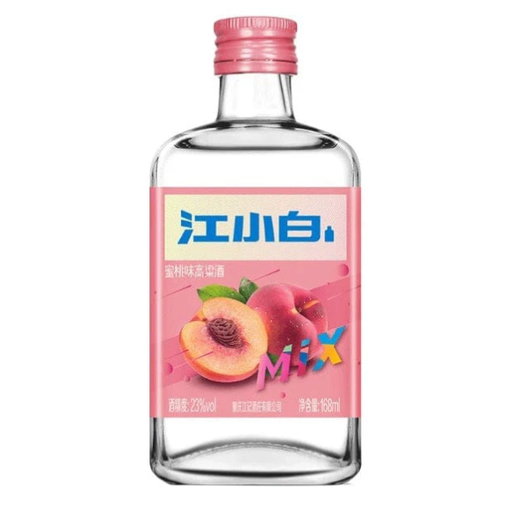
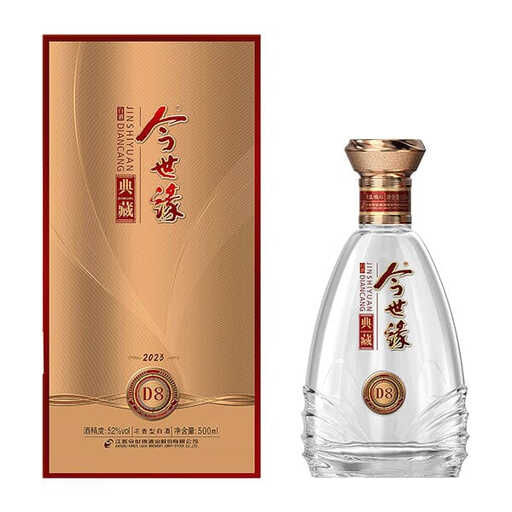
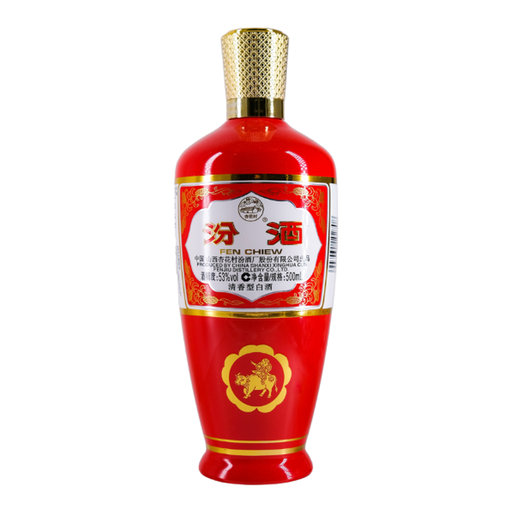
The selection presented here is just a small glimpse into the fascinating world of Baijiu. If you are looking for other styles, brands, or special bottlings, you can find additional products in our online selection.
? Discover our entire range of spirits
Baijiu's flavour is unique and difficult to compare to Western spirits. Depending on the aroma profile, it can range from mild, sweet, and floral (Light Aroma) to intensely fruity and earthy (Strong Aroma), to complex and umami-rich (Sauce Aroma). Many describe the taste as a mix of fermented fruits, nuts, and an earthy note, sometimes reminiscent of soy sauce or cheese. It is often an acquired taste.
Traditionally, Baijiu is drunk neat at room temperature from very small glasses (approx. 10–15 ml). It is an integral part of banquets and celebrations and is often enjoyed with food, where toasts are frequently exchanged. Modern, lighter varieties like Jiangxiaobai can also be served chilled, on ice, or in cocktails.
Although both are clear spirits, they differ fundamentally in production and taste. Vodka is distilled to be as neutral as possible. Baijiu, on the other hand, is made with a special fermentation starter called Qu, which consists of grain and a complex mixture of yeasts and moulds. This solid-state fermentation is responsible for Baijiu's intense and complex aroma, which clearly distinguishes it from the neutrality of vodka.