
Lieferung heute & morgen

Qualitätsgarantie

Willkommens-Angebote freischalten: KOSTENLOSE Lieferung | Bis zu 80 % RABATT | Kostenlose 30-Tage-JoyPlus-Testphase
App herunterladen
Finding authentic Baijiu in Germany can be a challenge. As China's national drink, this complex spirit is gaining popularity here, but the sheer variety of brands, styles, and flavour profiles can be overwhelming for many. If you're looking to buy Baijiu—whether as a connoisseur, a newcomer, or for a special gift—you're often faced with the question: which one is right for me?
This guide is here to help you navigate the options. As a Joybuy Product Recommendation Officer, my role is to provide you with clear, objective information so you can make an informed decision without getting lost in marketing jargon. We will introduce a selection of different Baijiu types and explain their key differences.
Before you add a bottle of Chinese spirit to your cart, the following points will help you make the right choice. The world of Baijiu is primarily defined by its aroma categories, which significantly shape the tasting experience.
Baijiu is divided into several main aroma categories. Three of the most well-known are:
The choice of Baijiu can also depend on the occasion. For festive events or as a Baijiu gift for business partners, Premium Baijiu varieties in attractive bottles, such as an aged Sauce-Aroma Baijiu, are highly suitable. For beginners or for use in cocktails, a Light-Aroma Baijiu is often a great choice. A Strong-Aroma Baijiu pairs well with social gatherings and hearty meals.
Here is a curated selection covering various flavour profiles and occasions. Each recommendation is based on the product's objective characteristics.
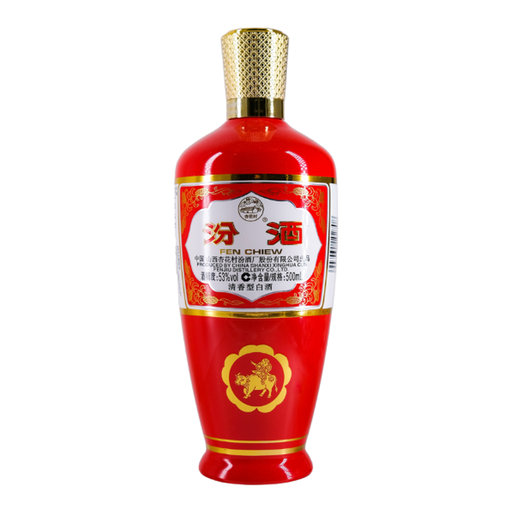
What sets it apart: Fenjiu is considered the historical cradle of Chinese spirit production and represents the classic Light-Aroma style. This variant, known as 'Zhi Re Hong,' is produced using traditional methods in the village of Xinghua in Shanxi province. Maturation in earthenware jars gives it its characteristic mild and sweet fragrance. The flavour profile includes notes of caramel, ripe banana, pineapple, guava, and spices with a long finish.
Advantages:
Who it's for: Ideal for those trying a Chinese spirit for the first time, as well as for enthusiasts who prefer a light and aromatic style. Its versatility also makes it an interesting choice for experimental mixology.
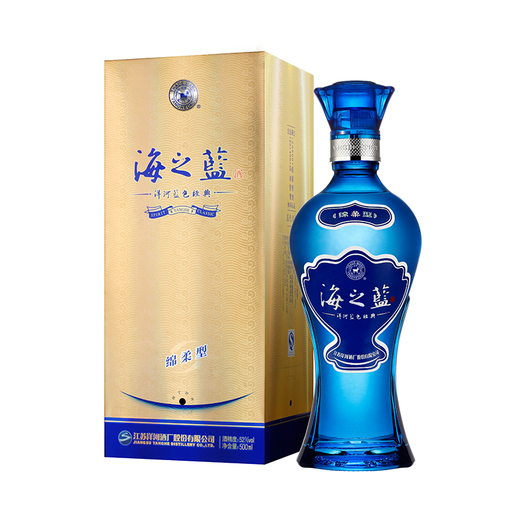
What sets it apart: Haizhilan (Ocean Blue) is the flagship of the Yanghe Blue Classic series and embodies the 'Mianrou' style (soft and smooth). Only the heart of the distillate is used for its production, which is then aged for at least three years. This process results in a Strong-Aroma Baijiu that is refreshingly smooth, with a sweet, mild flavour profile that lacks the often-expected harshness. The Yanghe distillery boasts a long history dating back to the Sui and Tang dynasties.
Advantages:
Who it's for: For lovers of the Strong-Aroma style who are looking for a smoother interpretation. It is perfectly suited for formal dinners, celebratory occasions, or as a thoughtful gift for connoisseurs.
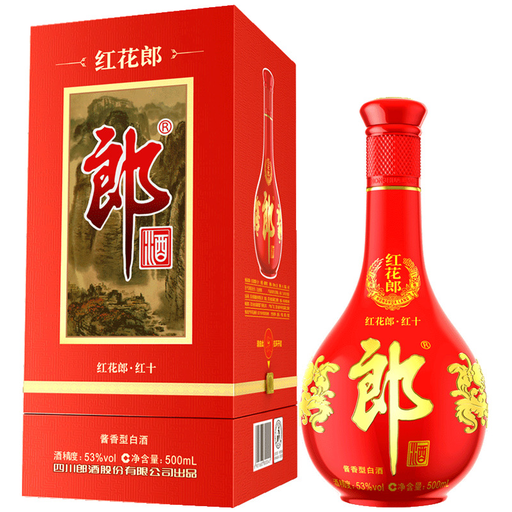
What sets it apart: Honghua Lang 10 is a classic Sauce-Aroma Baijiu from the Sichuan Langjiu Distillery. The '10' in its name refers to its 10-year ageing process. This Premium Baijiu offers an exceptionally complex flavour profile with notes of soy sauce, dark chocolate, toasted sesame, dried plum, and sandalwood. The taste is full-bodied with deep umami notes. The elaborately designed red ceramic bottle symbolises luck and joy in Chinese culture.
Advantages:
Who it's for: This Baijiu is aimed at experienced spirits connoisseurs who appreciate complex and sophisticated flavour profiles—comparable to lovers of Islay whiskies or artisanal Mezcal. It is the ideal choice for a high-end gift or special celebratory occasions.
Our selection covers three of the most important Baijiu styles, but the world of Chinese spirits is far more vast. If you are curious about other brands or are looking for a different type of spirit, you may find what you're looking for in our broader collection.
Explore our entire range of spirits and find the perfect bottle for your palate.
Traditionally, Baijiu is drunk neat at room temperature from small, special glasses or cups. On social occasions, it is customary to raise your glass, call out "Ganbei" (干杯, literally "dry glass"), and drink together. Modern interpretations also allow for it to be enjoyed on the rocks or as an ingredient in cocktails, especially with Light-Aroma varieties.
The differences lie primarily in the production process, raw materials, and fermentation method, which lead to vastly different flavour profiles: