
Lieferung heute & morgen

Qualitätsgarantie

Willkommens-Angebote freischalten: KOSTENLOSE Lieferung | Bis zu 80 % RABATT | Kostenlose 30-Tage-JoyPlus-Testphase
App herunterladen
The right baking tin affects more than just the appearance of a cake. The material, rim height, coating and maximum permitted temperature all influence whether the batter spreads evenly, the bake releases cleanly and the tin remains suitable for long-term use. So if you want to buy a baking tin, you should not focus solely on colour, brand name or a low price.
Not every tin is suitable for every appliance. An ovenproof baking tin may be approved for use in an oven, but not automatically for the microwave, freezer or grill. Moving stoneware directly from very cold to very hot conditions can also create stresses. Look for a clearly stated temperature range and follow the manufacturer’s instructions.
A non-stick baking tin makes it easier to remove cakes and tarts. However, it is not automatically scratch-resistant or dishwasher-safe. Metal knives, hard sponges and abrasive cleaning products can damage the surface. With coated steel tins, it is generally best to use wooden or silicone utensils and clean the tin according to the care instructions provided.
The dimensions given for a cake tin often describe its external measurements. For the quantity of batter required by a recipe, however, the internal dimensions, height and volume are what matter. A shallow tin is suitable for tarts or quiches, while a deep loaf tin can hold more batter. If a recipe intended for a 26 cm tin is used in a significantly smaller one, the batter may overflow or remain too moist in the centre.
Steel and carbon steel conduct heat efficiently and are suitable for cakes, bread and tarts. A coating can make it easier to release the bake, but it requires gentle care. Reinforced rims help prevent the tin from warping with regular use.
A silicone baking mould is flexible and can make it easier to remove small cakes, muffins or desserts. Soft silicone moulds should be placed on a sturdy trivet or baking tray so that they do not tip when being carried to the oven. With combined materials, such as the 5five Silitop Silicone Loaf Tin, an integrated frame provides extra stability.
Stoneware retains heat and can be used for casseroles, bread, cakes and dishes served at the table. However, it is heavier than metal and should not be used on a hob or direct heat source without the relevant manufacturer’s approval.
Before buying, compare the maximum oven temperature with your recipes. The stated values refer to the product description; do not use the tin above this range. Also check whether it is approved for use in the microwave, freezer and dishwasher.
For coated tins, hand-washing is often the gentler option. According to the product information, stoneware dishes may be dishwasher-safe, but they should still be protected from sudden temperature changes. Stackable tins save space, but make sure they do not rub against each other and damage the coatings.
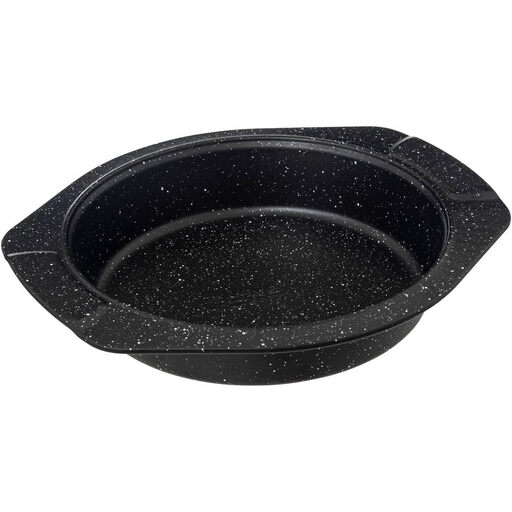
Why this product suits this profile: This 26 cm round steel tin is designed for classic home-baking recipes and offers an easy way to build up your basic baking equipment.
The product information specifies the material, dimensions, oven suitability and the fact that it is not dishwasher-safe. This allows you to assess the care requirements before buying.
Steel body, 1.9-litre usable capacity and integrated handles; suitable for use in the oven.
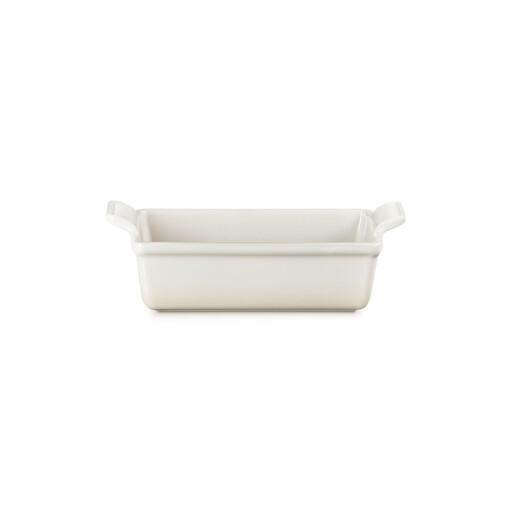
Why this product suits this profile: This rectangular glazed stoneware dish combines baking and serving, making it ideal for households looking for a versatile oven dish.
The specifications state a temperature range of -23 °C to 260 °C, as well as suitability for the oven, microwave and freezer. The manufacturer’s recommendations for gentle hand-washing should be followed.
Glazed stoneware, 1.25-litre capacity and integrated handles; according to the product information, it is scratch- and odour-resistant.
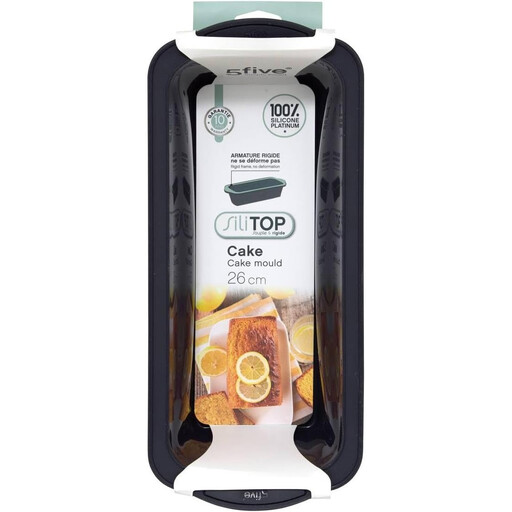
Why this product suits this profile: The combination of steel and silicone is designed for bread, cakes and other loaf-shaped dishes, while offering flexible use when storage space is limited.
The integrated sturdy frame helps reduce deformation when filling and carrying the tin. A temperature range of -20 °C to 220 °C provides clear limits for oven and freezer use.
1.59-litre capacity, dishwasher-safe and suitable for use in the oven and microwave according to the product description.
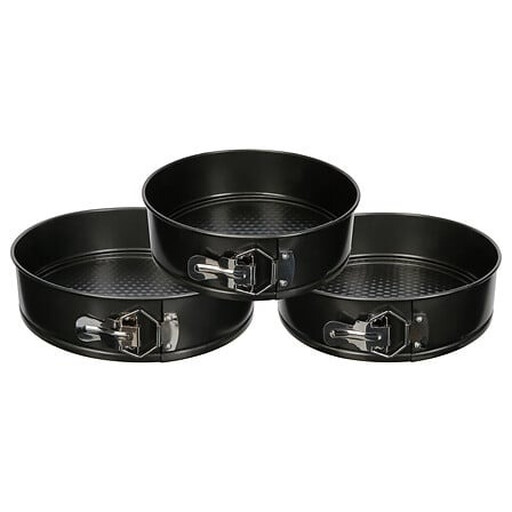
Why this product suits this profile: Three diameters of 22 cm, 24.5 cm and 26 cm cover different cake quantities and can be stored inside one another.
Before buying, the three sizes, maximum temperature of 280 °C and removable-base mechanism are clearly specified.
Three-piece steel baking tin set with non-stick coating and a stackable design.
We have put together a complete, regularly updated list of products that fully meet these strict selection criteria and the safety regulations applicable in the EU.
For loaf cakes and many gateaux, a cake tin in the appropriate size for the recipe is a sensible choice. A springform tin makes it easier to release delicate bases. A loaf tin is suitable for elongated cakes or bread. The diameter, height and capacity are what matter—not just the external shape.
Silicone baking moulds are flexible and often easy to clean. Metal tins conduct heat differently and generally offer firmer sides. The right choice depends on the recipe, the level of rigidity you need and the care instructions. Soft silicone should be used on a sturdy base.
Their lifespan depends on the material, use and care. Coated tins should not be used with metal utensils or abrasive cleaning products. Stoneware can last for many years with careful handling, but it must not be exposed to sudden temperature changes. Before use, check every tin for cracks, warping or damaged coatings.