
Lieferung heute & morgen

Qualitätsgarantie

Willkommens-Angebote freischalten: KOSTENLOSE Lieferung | Bis zu 80 % RABATT | Kostenlose 30-Tage-JoyPlus-Testphase
App herunterladen
Balsamic vinegar is one of the most versatile ingredients in Italian cooking. It elevates salads, marinades, sauces, vegetables, meat, cheese and desserts. When you’re looking to buy balsamic vinegar, it’s worth taking a close look at the label, the ingredients list and the consistency. A dark bottle or the term “Crema” alone tells you very little about what’s actually inside.
This buying guide from the Joybuy Product Recommendation Officer explains the key differences and highlights which products suit different kitchen profiles.
The label Aceto Balsamico di Modena PGI refers to a protected geographical indication. The product must meet certain requirements and come from the Modena region. However, this does not automatically mean it is the particularly long-aged traditional balsamic vinegar.
When shopping, the full product name is therefore crucial. The proportion of wine vinegar and grape must can also vary significantly.
Balsamic cream, balsamic glaze and some “Crema” products often get their thick texture from concentrated grape must, modified starch or thickening agents. This makes them practical for decorating and dosing, but it is not the same as long ageing in wooden barrels.
If you need a liquid vinegar for a balsamic dressing, choose a classic vinegar product. For plate decoration, cheese or strawberries, a cream is usually more suitable.
Balsamic products contain varying amounts of grape must, sugar or syrup depending on the recipe. A balsamic cream can have a significantly higher sugar content than a classic balsamic vinegar. The nutritional information panel gives a more reliable guide than marketing terms like “mild” or “fruity”.
With Aceto Balsamico di Modena PGI, the label should show the protected geographical indication. Products of Italian origin can still differ in ingredients, acidity level and ageing profile. An example is the Alnatura Organic Aceto Balsamico di Modena PGI, which has a stated acidity of 6%.
For an organic balsamic, also check for the EU organic logo and the control body number. The Alnatura Organic Aceto Balsamico di Modena PGI, for instance, lists IT-BIO-009.
A short ingredients list often consists of wine vinegar and concentrated grape must. Other products may also contain sugar syrup, modified starch, caramel colour or xanthan gum. These components are not necessarily a sign of poor quality, but they do affect the flavour, colour and consistency.
Many of the products listed contain sulphites, as these can occur in wine vinegar and grape must. If you have a sensitivity, please check the allergen information on the individual packaging.
For salads and marinades, liquid products in sizes from 250 ml to 500 ml are usually best. A balsamic cream is used more sparingly, for example as a finishing touch for Caprese, Parmesan, grilled vegetables or desserts.
A balsamic spray can be practical for dosing when you only want a thin layer on salad, vegetables or meat. For a larger household, a 500 ml bottle is often more economical, provided you use the vinegar regularly.
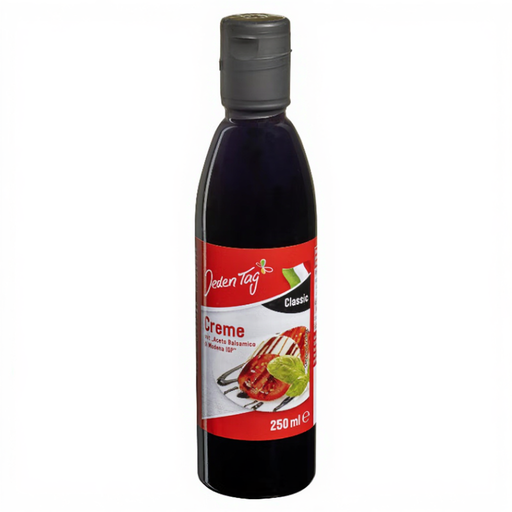
Why This Fits Their Persona: The 250 ml bottle is ideal for households that want to try balsamic for salads, simple sauces and marinades. According to the product information, this is a thick cream containing 39% Aceto Balsamico di Modena.
The product type and sugar content of 39 g per 100 ml are clearly stated. This makes it easy to distinguish the cream from a liquid vinegar.
250 ml content; suitable for enhancing and decorating; according to the product information, refrigerate after opening.
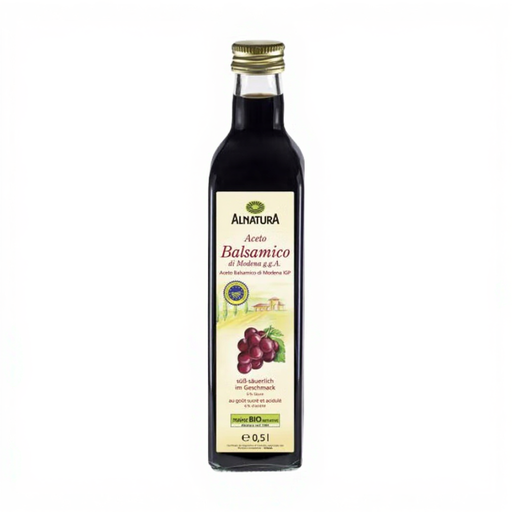
Why This Fits Their Persona: The 500 ml option is aimed at shoppers who want to combine organic criteria, Italian origin and versatile use. It is stated to contain organic red wine vinegar, concentrated grape must and 6% acidity.
The details on the organic control body, ingredients, origin and acidity level make it easy to check before buying. The product is liquid and therefore not to be confused with a balsamic glaze.
Organic-certified ingredients according to the product description; made in Italy; suitable for salads, meat, vegetables and desserts.
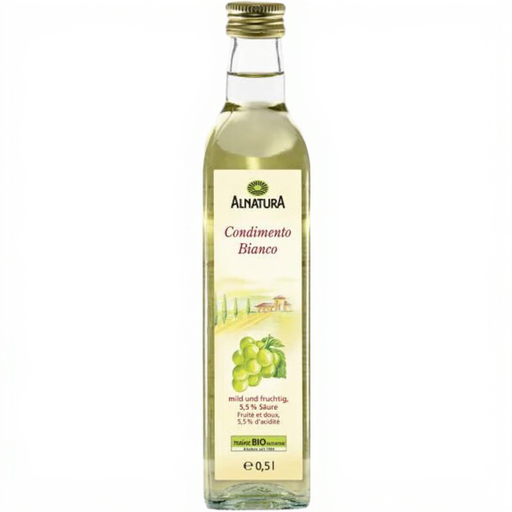
Why This Fits Their Persona: White balsamic works well with light salads, vegetables, dips, marinades and fruity desserts. The 500 ml bottle is designed for regular kitchen use.
The light colour comes from white wine vinegar and concentrated grape must. If you are expecting a dark balsamic glaze, you should choose a cream instead.
Organic condimento from Italy; vegan and lactose-free according to the product description; 72% white wine vinegar and 28% concentrated grape must.
In the full category you will find more balsamic vinegars, creams, organic products, white varieties and balsamic sprays to choose from.
Unopened, the shelf life follows the best-before date on the packaging. Opened products should be stored tightly sealed, away from light and heat. For creams, refrigeration after opening may be necessary. Always follow the instructions from the individual manufacturer.
Not every product needs to be refrigerated. Some classic balsamic vinegars can be stored in a cool, dry place according to the product information. For balsamic creams or fruity varieties, refrigerated storage is often recommended. The instructions on the label take priority.
Many pure balsamic vinegars consist of wine vinegar and grape must and are therefore suitable for vegan or lactose-free diets. However, with creams and flavoured products, you should check the ingredients and allergen lists. Sulphite-containing ingredients are listed on many balsamic products.