
Lieferung heute & morgen

Qualitätsgarantie

Willkommens-Angebote freischalten: KOSTENLOSE Lieferung | Bis zu 80 % RABATT | Kostenlose 30-Tage-JoyPlus-Testphase
App herunterladen
Balsamic vinegar is one of the most versatile ingredients in the British kitchen. It enhances salads, marinades, vegetables, meat, cheese and desserts. At the same time, products differ significantly in their recipe, acidity, consistency, origin and sugar content. A dark bottle or the label “Balsamic” alone therefore tells you little about its actual intended use.
Many products contain a blend of wine vinegar and concentrated grape must. Depending on the recipe, sugar, starch or colourings may also be added. A dark colour is therefore not a reliable indicator of long ageing.
If you are looking for a classic Aceto Balsamico di Modena, look for the protected geographical indication PGI (g.g.A.). This certification refers to the origin and defined production standards, but it is not the same as a specific ageing period.
Balsamic cream is thick and ideal for decorating, drizzling or glazing. It often contains concentrated grape must and thickeners. For a classic balsamic dressing with olive oil, a runny balsamic vinegar is usually easier to measure.
A balsamic spray distributes small amounts evenly over caprese, vegetables or meat. This can be handy for economical seasoning, but it does not automatically replace a larger bottle for marinades or everyday cooking.
“Organic” should be verifiable through a valid organic control code and the ingredients list. When shopping, it is also worth checking for allergens: wine and balsamic vinegar can contain sulphites. According to product information, the Chinese rice vinegar Ninghuafu additionally contains gluten-containing grains, including barley and wheat bran. For anyone with a relevant intolerance, this information is crucial.
For Italian balsamic vinegar, the following details are particularly relevant:
One example with a clear ingredient base is the Alnatura Organic Aceto Balsamico di Modena PGI 500 ml. According to product information, it is made from organic red wine vinegar and concentrated organic grape must and has an acidity of 6%.
Looking at the order of ingredients shows which component predominates by quantity. In a balsamic cream, concentrated grape must, sugar or syrup can shape the sweet taste. The products from Jeden Tag and Kühne, for example, contain thickeners or glucose-fructose syrup alongside balsamic vinegar.
For less sweet applications, such as salad dressings, products with a higher vinegar content and no added sweeteners are often easier to use. If you want to reduce sugar, check the nutritional table per 100 ml or 100 g. Due to their concentrated recipe, balsamic creams are often significantly higher in sugar content than liquid vinegar.
The right size depends on your consumption:
After opening, follow the instructions on the label. Some products should be stored in a cool place or in the fridge, while others can be kept dry and away from light at room temperature. For products containing sulphites, check the ingredients list before buying.
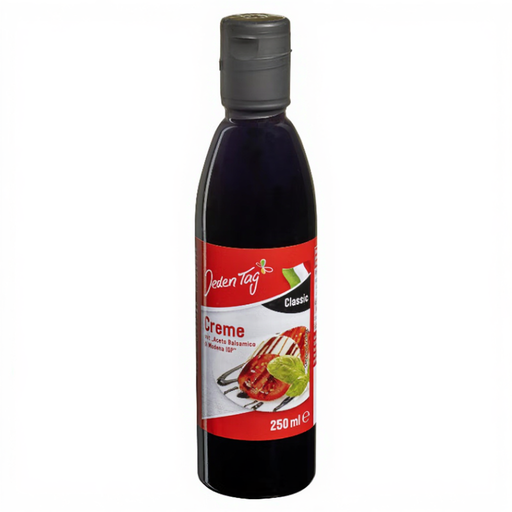
Why this product fits the profile: The 250 ml bottle is ideal for households that want to try balsamic cream in small quantities for salads, cheese and desserts.
The product information states 39% Aceto Balsamico di Modena as well as concentrated grape must and indicates sulphites. This allows you to assess the recipe before buying.
250 ml content; creamy consistency; according to product information, suitable for dressings, drizzling and as a finish.
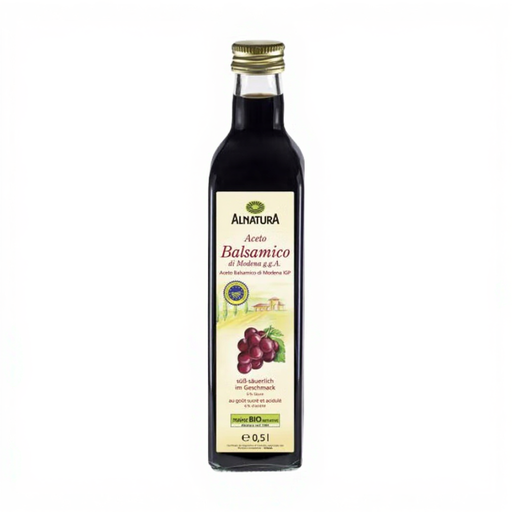
Why this product fits the profile: If you want to combine organic ingredients, Italian origin and a larger pantry bottle, this is a clearly described option for everyday use.
The information lists organic red wine vinegar and organic grape must as ingredients, along with 6% acidity. This makes the origin, organic reference and recipe base traceable.
500 ml content; organic certification IT-BIO-009; according to product information, suitable for salads, meat, vegetables, soups and desserts.
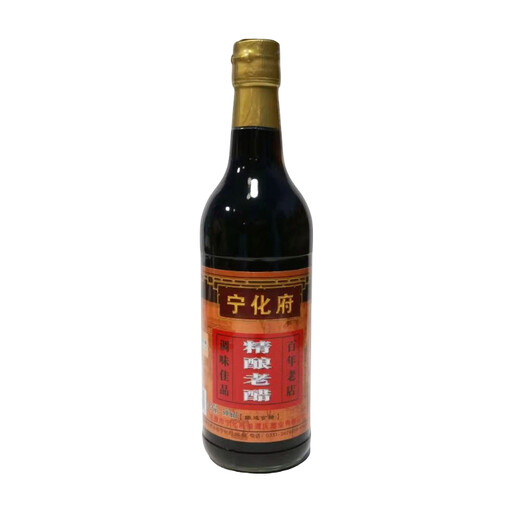
Why this product fits the profile: For lovers of international cuisine, this Chinese rice vinegar offers an alternative to Italian balsamic, ideal for cold dishes, hot pot and as a dip.
The product description classifies it as a traditionally brewed Chinese vinegar, not as balsamic. The gluten-containing grain components and 1.5 g of salt per 100 ml should be noted explicitly.
500 ml content; according to product information, brewed from sorghum, bran, rice husks and Daqu; versatile for dips, cold dishes, hot pot and cooked meals.
We have compiled a complete, regularly updated list of products that fully meet these strict selection criteria and the safety regulations in force in the EU.
This depends on the recipe and the manufacturer’s instructions. Unopened bottles should be stored until the best-before date. After opening, keep them tightly sealed, cool and away from light. For creams and fruity varieties, storage in the fridge is often recommended. The information on the packaging is always the deciding factor.
Balsamic vinegar is usually runny and suitable for dressings, marinades and for seasoning. Balsamic cream is thickened and often used as a topping or glaze. It can contain more sugar and additional thickeners. When choosing, you should therefore look at the ingredients list, not just the product name.
Yes. White balsamic or Condimento Bianco has a light colour and often a mild, fruity character. It works well with leaf salads, light sauces, vegetables, fish and desserts, without darkening the food. The Alnatura Organic White Balsamic Condimento 500 ml contains, according to product information, 72% organic white wine vinegar and 28% concentrated organic grape must.