
Lieferung heute & morgen

Qualitätsgarantie

Willkommens-Angebote freischalten: KOSTENLOSE Lieferung | Bis zu 80 % RABATT | Kostenlose 30-Tage-JoyPlus-Testphase
App herunterladen
If you want to buy bamboo products online, you’ll find a huge selection of clothing, catering supplies, travel essentials and household items. However, the term “bamboo” doesn’t always refer to the same material, and on its own it tells you very little about processing, durability or disposal. There are practical differences between bamboo viscose, bamboo fibre, blended fabrics and plant-based non-woven materials.
The criteria below will help you interpret marketing claims and choose a product that genuinely suits your intended use.
When it comes to textiles, you’re often dealing with viscose from bamboo or a blend of materials including polyamide, cotton or elastane. This affects the feel, shape retention and care requirements. A high bamboo content doesn’t automatically equate to a certain level of sustainability.
For example, the JBS Ribbed Socks are listed with a composition of 75% viscose from bamboo, 23% polyamide and 2% elastane. The polyamide can contribute to durability, but the bamboo content alone doesn’t describe the whole fabric.
Bamboo fibre tableware and bamboo meal boxes are sometimes described as biodegradable or compostable. What really matters, though, is the conditions under which this breakdown takes place. An industrial composting facility, a home compost heap and disposal via general waste are not the same thing.
Before you buy, you should check:
If specific disposal instructions are missing, you should rely on the manufacturer’s information and your local council’s guidelines.
A low individual price doesn’t tell you much if the pack size doesn’t match your needs. For a private household, 50 disposable trays could be far too many. For catering, takeaways or events, a small pack could mean you’re reordering too often.
So always compare unit price, capacity, dimensions and intended use together.
For bamboo men’s underwear, bamboo socks and bamboo T-shirts, the following details are important:
A product with a bamboo content can feel soft and lightweight, but depending on the fibre blend it may need different care to pure cotton. For everyday use, the washing instructions and size guide are more important than vague terms like “premium” or “ultra-soft”.
With sustainable disposable tableware, you should match the product size to what you plan to serve. A 9-inch plate with three compartments is quite different from a 43-ounce meal box with five compartments. Compartments can be handy for sauces, sides and main dishes; for dry snacks, they may not be necessary.
Look out for:
The product details provided for the RuiBamboo Tray series, for instance, note that the 43-ounce version is not suitable for the oven or open flames.
Bamboo towels and bamboo tissues can be useful for travel, the gym, camping or as guest supplies. With disposable items, you should plan for disposal from the outset. According to product information, disposable wipes must not be flushed down the toilet.
For everyday home use, reusable textiles are often a different product category from disposable wipes. However, if you want to save space on the go or avoid used textiles, a compact disposable format can be a real advantage.
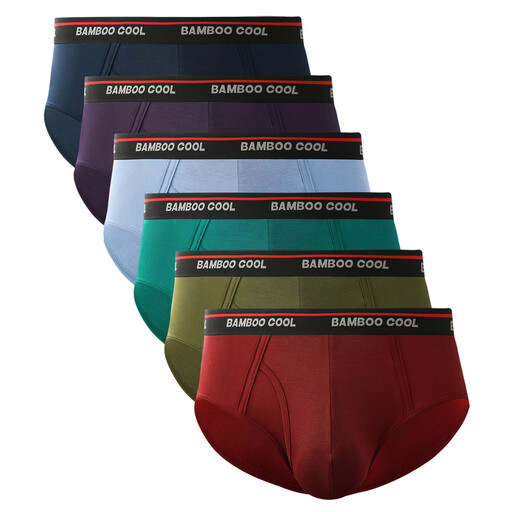
Why this product fits the profile: The 6-pack is aimed at men who need several pairs for everyday wear, the office and leisure. The stated size S and classic cut make it easy to choose for shoppers with a matching clothing size.
The product description mentions material properties, a tag-free waistband, full coverage and machine washability. This makes it easier to assess the fit and care requirements before buying.
6 pairs per pack; open fly and tag-free design according to product details.
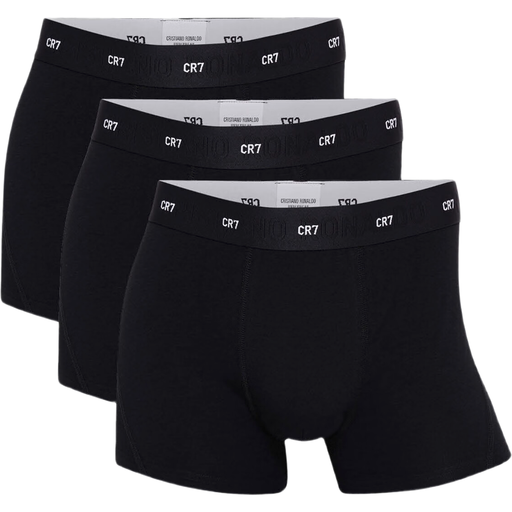
Why this product fits the profile: The trunk cut is suitable for buyers who want to compare the material blend, certification details and a defined size before purchasing. Size M is stated, along with 65% viscose from bamboo, 30% cotton and 5% elastane.
The product page lists the material blend as well as references to FSC and OEKO-TEX STANDARD 100. These details should be checked against your personal requirements before buying.
3-pack; stated material blend; certification details on the product page.
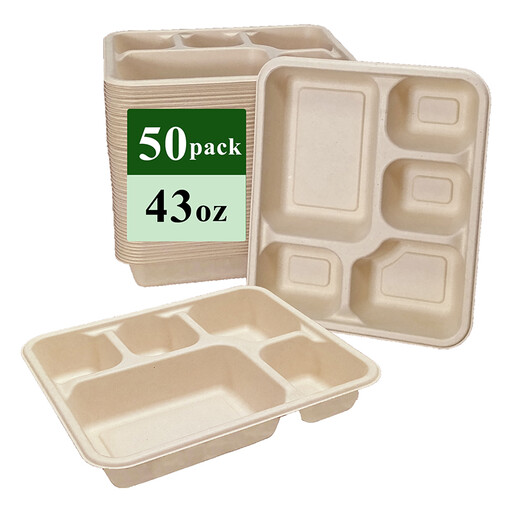
Why this product fits the profile: The 50-pack with five compartments and a stated capacity of 43 oz is designed for catering, takeaways, parties and larger households.
The product details state the pack size, capacity, five compartments and specific safety instructions. These include: do not use in the oven, do not place over an open flame, and only heat according to the instructions.
50 pieces; five separate compartments; suitable for portioning food and catering according to the product description.
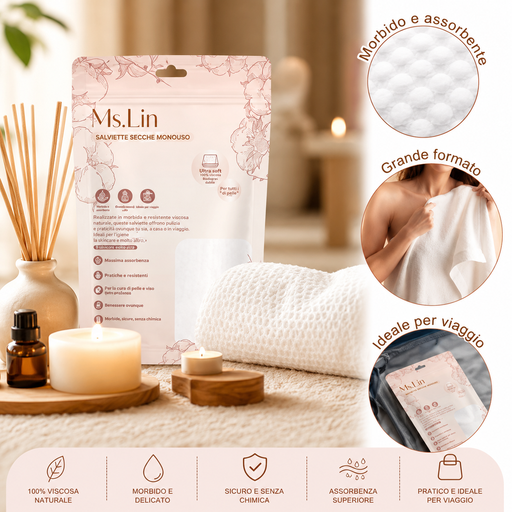
Why this product fits the profile: The disposable bath towel in a 70 × 140 cm format is designed for travel, hotel stays, camping, the gym or use as a guest towel.
The size and single-pack format make the quantity needed clear. The product details also explicitly state that the towel should not be flushed down the toilet after use.
70 × 140 cm; lightweight disposable format; suitable for travel and personal care according to the product description.
We’ve put together a full, regularly updated list of products that meet these strict selection criteria and the safety regulations in force across the EU.
There’s no one-size-fits-all answer. What matters is the material blend, manufacturing process, lifespan, transport, reusability and disposal. With disposable items, buyers should also check whether specific certifications are provided or whether only general environmental claims are made.
Always follow the care label. For the textile products mentioned, machine washing and sometimes a moderate washing temperature are stated. Using a gentle detergent, avoiding unnecessarily high temperatures and air drying can help preserve the fibres and elasticity. Always follow the manufacturer’s instructions.
Not every product labelled as compostable automatically belongs in the food waste bin. Check the instructions on the packaging and your local waste disposal provider’s guidelines. If there’s no clear confirmation, the product should be disposed of according to your local waste regulations. Wipes and meal boxes must also not be flushed down the toilet.