
Lieferung heute & morgen

Qualitätsgarantie

Willkommens-Angebote freischalten: KOSTENLOSE Lieferung | Bis zu 80 % RABATT | Kostenlose 30-Tage-JoyPlus-Testphase
App herunterladen
If you’re looking to buy Basmati rice, you’ll find plenty of brands, origins and pack sizes online. The differences aren’t just about price. Key factors include grain length, processing method, cooking instructions and how quickly you’ll use up your supply. A single-person household has different needs to a family, a large kitchen or a catering business.
Basmati is a type of long-grain rice, but not every long-grain rice is Basmati. Descriptions like “extra long” or “aromatic rice” should be checked against the ingredients list and product description. Ideally, it should clearly state 100% Basmati rice.
Grain length mainly affects mouthfeel and presentation. Extra-long grains are great for dishes like biryani or special occasion rice dishes. For curries, side dishes and everyday cooking, a classic Basmati variety with standard long grains can work just as well.
A bag of Basmati rice 10 kg or Basmati rice 20 kg can lower the price per kilo. But that advantage is lost if the rice absorbs moisture, clumps together or attracts pests after opening. Large packs need a dry, cool storage spot away from direct sunlight.
Once opened, a well-sealed storage container is recommended. If you don’t have suitable storage or only cook rice occasionally, you’re often better off with 500 g, 1 kg or 5 kg packs.
Golden Sella Basmati rice is parboiled – pre-cooked and then dried. This means its preparation can differ from classic white Basmati. Always follow the pack instructions for soaking, water ratio and cooking time.
Some products, for example, recommend a longer soak of 90 to 120 minutes. Other varieties just need a quick rinse and can be cooked straight away. If you’re following a specific recipe, pay attention not just to the brand but also to how the rice has been processed.
A short ingredients list is standard for rice. The products featured here often state 100% Basmati rice or “Pure Basmati Rice”. It’s also worth looking at:
Claims like “Indian Basmati rice” should match the information on the product page or packaging. For some products, the place of cultivation and packing may differ. Always refer to the product data provided.
Basmati is often chosen for its fragrance and fluffy texture. However, achieving loose, separate grains also depends on how you cook it. Too much water, vigorous stirring or a short resting time can make the grains stick together.
For particularly long grains, look for product names like Extra Long Basmati. According to the product information available, Elephant Extra Long Basmati is sold in 10 kg and 20 kg packs. It’s described as long-grain, aromatic and separate after cooking.
A simple consumption calculation can help you pick the right bulk pack of Basmati rice:
A rough guide of about 60 to 100 g of uncooked rice per adult per meal makes planning easier. The actual amount depends on the dish and any side dishes.
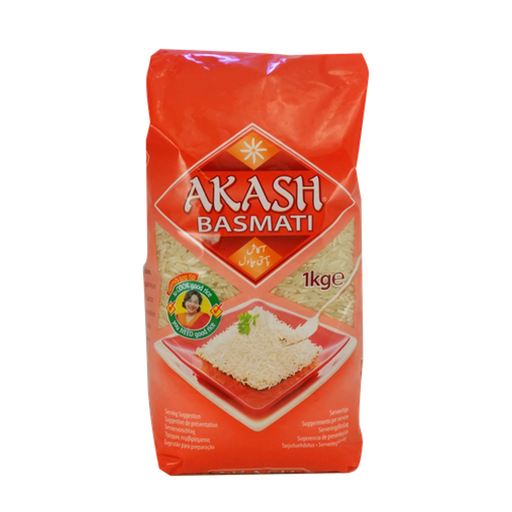
Why this product fits the profile: The 1 kg pack offers a manageable way to start without having to store a large quantity straight away. According to the product details, this rice is made from Basmati rice and is described as having a fluffy, fragrant texture.
The small pack size reduces the risk of buying more rice than you can use within a suitable storage period.
1 kg net weight; nutritional values of 351 kcal and 78.6 g carbohydrates per 100 g according to product data.

Why this product fits the profile: The 5 kg pack combines a family-sized supply with a quantity that’s still easy to handle. It’s described as pure Basmati grains, sourced from India, with a fluffy texture after cooking.
The product description lists ingredients, allergens, net weight and specific cooking instructions, so you can check the key buying criteria in advance.
5 kg net weight; 100% Pure Basmati Rice; 10 to 12 minutes cooking time according to the product instructions.
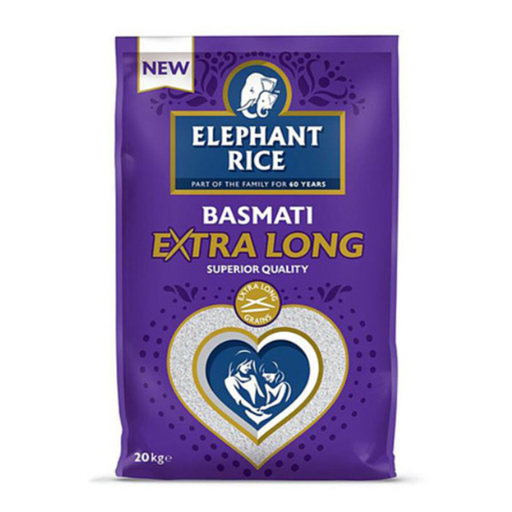
Why this product fits the profile: The 20 kg bulk pack is aimed at households with high consumption, as well as catering businesses and large kitchens. The extra-long grains are described as suitable for fluffy, non-sticky rice dishes.
The stated pack size suits regular high-volume use and avoids the need for multiple smaller packs. You will need a dry storage area with an airtight container after opening.
20 kg net weight; 100% extra-long Basmati rice; suitable for vegetarians and vegans according to product data.
For fluffy grains, rinse the rice under cold water before cooking. Depending on the variety, a soak of 20 to 30 minutes may be recommended. Then adjust the water ratio and cooking time according to the pack instructions. After cooking, let it rest for a short while with the lid on so the moisture distributes evenly.
Unopened packs should be kept in a cool, dry place away from direct sunlight. Once opened, transfer loose rice to an airtight container. This protects it from moisture and makes it easier to keep track of your supply.
We’ve put together a full, regularly updated list of products that meet these strict selection criteria and comply with all EU safety regulations.
For regular rice meals, a 5 kg pack is often a practical middle ground. If your consumption is very high, Basmati rice 10 kg or Basmati rice 20 kg could be worthwhile. It all depends on how much you use, your storage space and whether you can transfer the rice to a dry container.
The specific best-before date is on the packaging. Until then, store dry rice in a cool, dry place, protected from moisture. After opening, an airtight container is recommended, along with regular visual and smell checks.
Rinse the rice first and use the amount of water stated on the pack. Try to stir as little as possible during cooking. A short resting time with the lid on, followed by fluffing with a fork, helps keep the grains separate.