
Lieferung heute & morgen

Qualitätsgarantie

Willkommens-Angebote freischalten: KOSTENLOSE Lieferung | Bis zu 80 % RABATT | Kostenlose 30-Tage-JoyPlus-Testphase
App herunterladen
If you want to buy beauty and wellness products online, you’ll find a wide range of skincare, natural and organic beauty products, haircare and wellness items. However, product descriptions don’t always provide the clear information you need to make a confident purchase. It’s therefore worth checking claims such as ‘natural’, ‘for sensitive skin’ or ‘intensive care’ against specific product details.
Natural and organic beauty products can contain plant oils, floral waters or essential oils. These ingredients suit many skincare routines, but they can also cause unwanted reactions in sensitive skin. If you’re prone to redness or tightness, check the full INCI list and pay particular attention to fragrance ingredients such as limonene, linalool, citral or geraniol.
A vegan claim doesn’t answer every question either. Vegan skincare products contain no animal-derived ingredients, but that alone tells you nothing about fragrance, alcohol, preservatives or how your skin may react.
‘24-hour moisture’, ‘glow’ or ‘refines pores’ often describe the expected properties of a product, not necessarily the results you’ll see. Also check:
If a brand provides study or participant data, treat it as a claim made by the brand. According to an independent study with 30 participants, as stated for the lavera product, the figures refer to that specific study and won’t necessarily apply to everyone.
Micellar water, cleansing milk, cleansing oil and eye make-up remover differ in texture and intended use. Micellar water, for example, is handy for a quick cleanse and is often designed to be used without rinsing. Cleansing oil can dissolve make-up, sun cream and oily residue. For the delicate eye area, it’s best to choose a product specifically designed for that purpose.
For dry skin, glycerin, shea butter, plant oils or aloe vera juice may be useful ingredients to look for. If your skin is prone to blemishes, a lightweight texture that rinses off easily is often more practical than a rich, highly moisturising formula. This isn’t medical advice, but a guide to help you choose a product.
For products for sensitive skin, claims such as fragrance-free, alcohol-free, ophthalmologist-tested or allergy-tested may be relevant. However, none of these claims replaces checking how your own skin responds. Try new products on a small area of skin first. Stop using the product if irritation occurs.
Certifications such as ECOCERT, NATRUE or a vegan label should be clearly shown on the product page or packaging. Also check that the ingredients list is up to date. Some of the product information provided explicitly notes that formulas may change, so the packaging should be treated as the definitive source.
Liquid food supplements such as liquid biotin come with additional guidance: don’t exceed the recommended daily dose. According to the product information, biotin may affect certain laboratory test results. If you’re having blood tests, tell your healthcare professional that you’re taking it. Food supplements are not a substitute for a balanced diet.
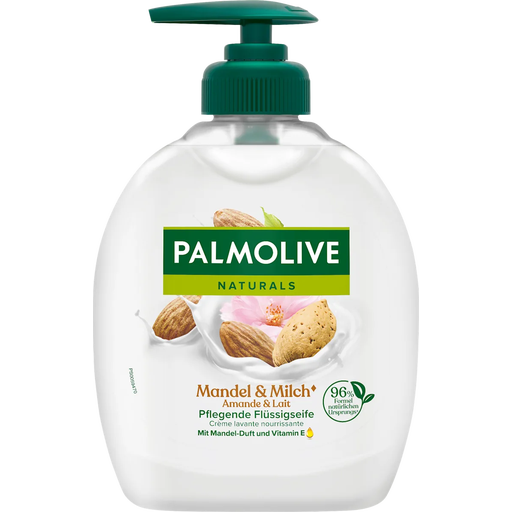
Why this product suits this profile: The 300 ml pump bottle is ideal for everyday handwashing at home or in the office. The product description specifies a skin-neutral pH, a soap-free base and 96% ingredients of natural origin.
The product details give specific information about the quantity, pump format and formula, rather than relying solely on general skincare claims.
Pump dispenser, 300 ml contents and declared ingredients including milk proteins, almond extract and vitamin E.
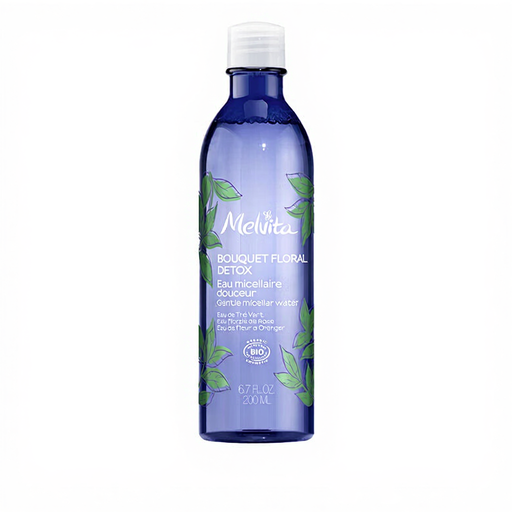
Why this product suits this profile: For anyone looking to combine natural and organic beauty products with a quick cleansing routine. The product information states that it is ECOCERT-certified, vegan, and made without perfume or alcohol.
The certification and clear information about the absence of fragrance and alcohol are more specific than a blanket claim that the product is ‘gentle’.
200 ml contents, 99% ingredients of natural origin according to the product information, and packaging made from 100% recycled plastic according to the description.
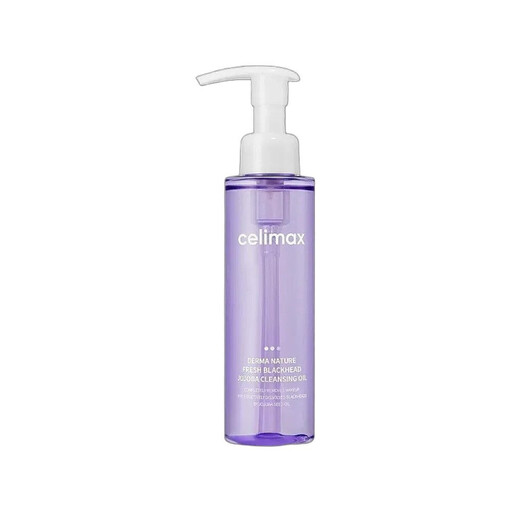
Why this product suits this profile: This cleansing oil is for anyone looking to remove make-up, sun cream and oily residue as part of their evening routine.
The instructions explain how to emulsify the oil with water, so you can rinse it off properly instead of relying on one unsuitable product for every step of your cleansing routine.
150 ml contents, jojoba oil and directions for use as part of an evening double-cleansing routine.
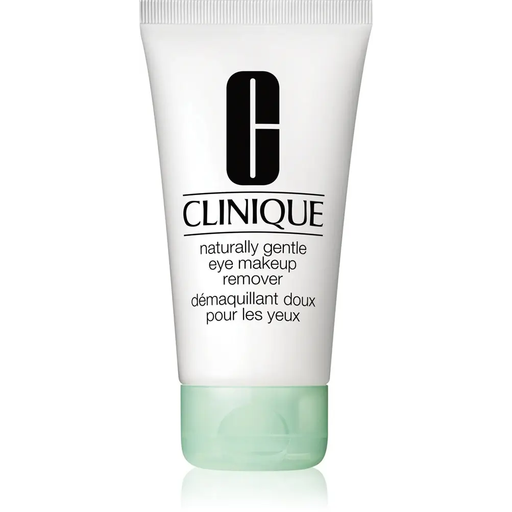
Why this product suits this profile: According to the product description, this creamy formula is suitable for all skin types and has been ophthalmologist- and allergy-tested. It is also described as fragrance-free.
Its specific focus on the eye area helps avoid using a general facial cleanser in a way it wasn’t designed for on delicate areas.
75 ml contents, creamy texture, fragrance-free formula according to the description, and suitability for contact lens wearers according to the product information.
Check the INCI list, fragrance ingredients, alcohol content and specific claims such as fragrance-free or ophthalmologist-tested. Start with a small amount and carefully test the product on a limited area of skin. Stop using it if irritation persists, and seek medical advice if needed.
Check the PAO symbol, which may show ‘12M’, for example, meaning the product should be used within twelve months of opening. Also check the best-before date or batch information. Heat, direct sunlight and frequent opening can affect product quality. Food supplements such as liquid biotin also have their own storage and use-by instructions.
It depends on the formula, how your skin feels and which beauty products you use. Micellar water can be handy for light cleansing. For waterproof make-up or sun cream, a cleansing oil or a second cleanse may work better. Always follow the product’s directions and consider how your skin responds.