
Lieferung heute & morgen

Qualitätsgarantie

Willkommens-Angebote freischalten: KOSTENLOSE Lieferung | Bis zu 80 % RABATT | Kostenlose 30-Tage-JoyPlus-Testphase
App herunterladen
If you want to buy beef online, you’ll find a wide selection of steaks, thinly sliced cuts and frozen specialities. But price alone tells you little about whether a product is right for the dish you have in mind. The key factors are the cut, weight, fat content, cold chain and intended cooking method.
Descriptions such as “premium”, “extra tender” or “restaurant-style” can be hard to assess without more information. Instead, look for details you can verify:
This makes it easier to buy a premium steak without relying solely on marketing claims.
Beef fillet is suited to quick, gentle cooking, while bavette steak benefits from being sliced correctly because of its more robust texture. Thinly sliced beef for hot pot or stir-fries is a very different option from a classic steak.
If you don’t take the cut into account, you could end up with meat that’s too tough, too dry or unsuitable for the cooking method you had in mind.
For online orders, it’s important to follow the storage instructions carefully. Frozen beef should generally be stored in the freezer at −18 °C or below. Defrosted meat should not be refrozen unless the product information explicitly says this is safe.
Fresh meat with a stated storage temperature of 0 to 4 °C should be used soon after opening. Defrosting in the fridge is recommended, rather than leaving meat on the worktop at room temperature.
The term Angus beef initially refers to a breed of cattle. It doesn’t replace the need to check the cut, origin, weight, fat structure and storage instructions.
For an individual meal, 150 to 200 g per steak is often a manageable portion. For example, two 200 g steaks are suitable for two people or a meal served with sides. For hot pot, packs of 300 to 500 g are handy for several people or sharing around the table.
Also check whether the weight is split between two individual steaks or comes as one whole portion. This affects both cooking time and portioning.
For plain meat, the ingredients list should be clear, for example, “100% beef” or “100% veal”. Nutritional information can help you compare products, but it isn’t the only measure of quality. In the product details for the selection below, for example, protein values range from 18.3 to 23.7 g per 100 g, depending on the cut. Fat and energy content vary significantly between fillet, ribeye and thinly sliced products.
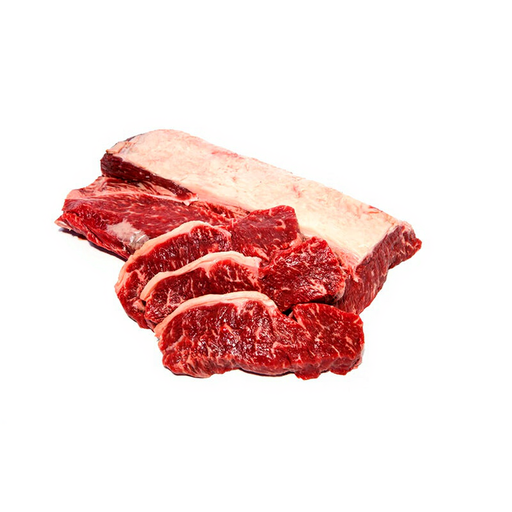
Why this product suits you: Two individually portioned 200 g steaks make it easy to plan a meal for two. Sirloin can be cooked in a pan, on the grill or in the oven.
The weight and number of steaks are clearly stated. This makes it easier to assess the price per portion than with a pack that isn’t clearly portioned.
400 g in total, two 200 g steaks, 100% beef and 23 g of protein per 100 g according to the product information.
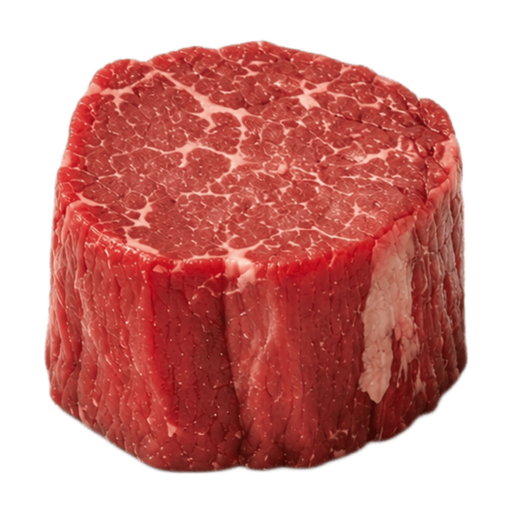
Why this product suits you: This tournedos cut is made from 100% beef fillet and is designed for quick cooking in a pan, oven or on the grill.
The product information includes the cut, weight, ingredients, storage instructions and nutritional information. So you’re not choosing based on the “Tenderloin” description alone.
150 g portion, 2.3 g of fat and 23.7 g of protein per 100 g according to the product information.
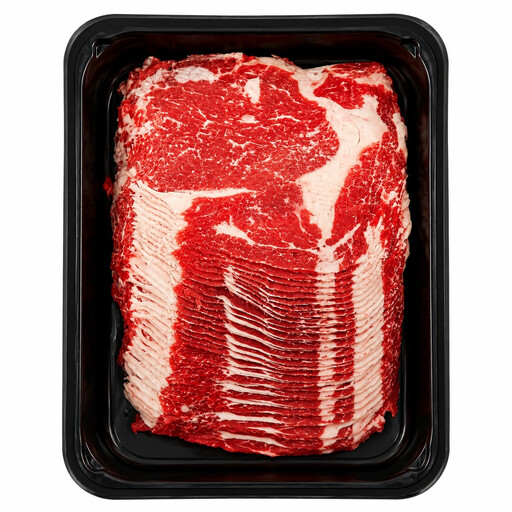
Why this product suits you: At 1.2 mm thick, these slices are intended for hot pot, soups, stir-fries and quick searing.
The thin slices and recommended frozen storage are clearly specified, so you won’t mistake this product for a thick-cut steak.
500 g pack, 100% beef and versatile enough for hot pot, grilling, pan-frying and soups.
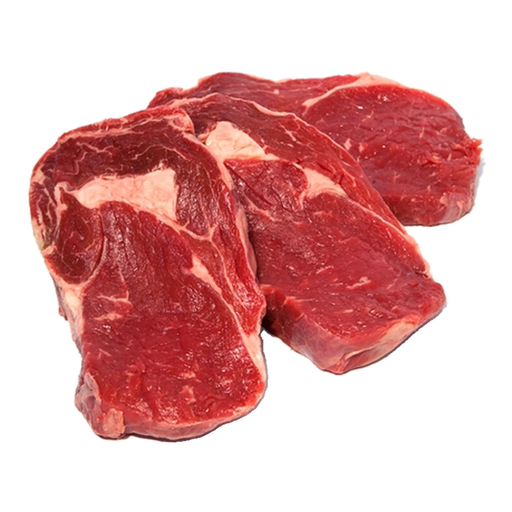
Why this product suits you: Two 200 g ribeye steaks make portions clear for a meal together and are ideal for grilling or searing.
The pack states the number of steaks, individual weight and frozen storage instructions. This makes it easier to plan your shop and avoid assumptions about portion size.
400 g in total, 2 × 200 g, 100% beef and nutritional information provided per 100 g.
Pat steaks dry before frying. A hot pan or a well-preheated grill helps achieve the desired browning. Once cooked, letting the meat rest briefly can help it hold together when sliced.
For frozen beef, defrost it fully in the fridge, follow the packaging instructions and don’t refreeze it. Depending on the product, thin hot pot slices can be added straight from the freezer to the broth. The meat must be cooked all the way through; the specific core temperature depends on the product type and the instructions on the pack. A food thermometer can help you check.
If you’d prefer a milder meat than beef, you can also buy veal. Veal ribeye, veal schnitzel and veal fillet differ in fat content, texture and cooking time. Here too, compare the cut, weight and storage instructions before you buy.
For steak, around 150 to 250 g per adult is a useful guide. For hot pot or stir-fries, the amount depends on how many sides, noodles and vegetables you’re serving. Always check the pack size against the number of guests and the dish you’re planning.
Frozen meat can be especially handy for certain dishes, particularly thinly sliced beef for hot pot or shabu-shabu. What matters is maintaining a consistent frozen temperature, keeping the packaging intact and defrosting the meat correctly. Once defrosted, use the product promptly, following the instructions on the pack.
Shelf life depends on the product, packaging and storage temperature. For chilled products, follow the packaging instructions and keep them at the stated temperature, usually 0 to 4 °C. Once opened, meat should often be used within 24 hours to two days. Frozen products can be stored at −18 °C or below until the stated best-before date, as long as the cold chain has not been interrupted.