
Lieferung heute & morgen

Qualitätsgarantie

Willkommens-Angebote freischalten: KOSTENLOSE Lieferung | Bis zu 80 % RABATT | Kostenlose 30-Tage-JoyPlus-Testphase
App herunterladen
Anyone looking to buy beef online will find a wide range of steaks, braising cuts, hot-pot slices and Wagyu products. However, the price alone says little about whether an item is suitable for the dish you have in mind. The key factors are the cut, thickness, origin, pack size and cold chain.
Terms such as premium beef, “particularly tender” or “intense flavour” are difficult to assess without further details. More useful information includes:
A product made from 100% beef with no added ingredients is also easier to compare with other items than seasoned or processed goods.
Beef fillet is suitable for short bursts of intense heat. A beef shank slice or braising beef joint, on the other hand, needs time and liquid to soften the connective tissue. If you cook a tough braising joint in a frying pan, even good-quality meat may disappoint.
Cut thickness is particularly important for Asian dishes. Thinly sliced beef measuring around 1.2 to 2 millimetres is intended for hot pot, shabu-shabu and sukiyaki, and cooks in just a few seconds. A thick steak cut will not serve the same purpose.
Frozen beef generally needs to be stored at –18 °C or below. Once thawed, it should not be refrozen. For safe handling:
If the frozen packaging is delicate, check the delivery as soon as it arrives and contact customer services if you notice anything unusual.
The following guide makes it easier to choose:
When comparing beef from the Netherlands, British Wagyu and Japanese Wagyu A5, you should consider more than just the brand name. The country of origin, product description and ingredients list must all correspond. The products mentioned here, for example, are labelled “100% Beef” or “Japan Wagyu A5 Beef”.
The term Wagyu describes the cattle breed or the corresponding origin and marketing category. Japanese Wagyu A5 is a specific classification within the Japanese grading system. However, it does not replace checking the weight, slice thickness and storage instructions. British Wagyu can differ considerably in terms of origin, cut and nutritional values.
For households, packs weighing between 200 and 500 grams are often easier to portion. 1 kg of beef is more suitable for family meals, meal prep, catering or several different recipes. Pay attention to the price per 100 grams, not just the pack price.
Nutritional values can vary considerably depending on the cut. Examples from the product information include:
These figures come from product information and are not a general assessment of meat quality.
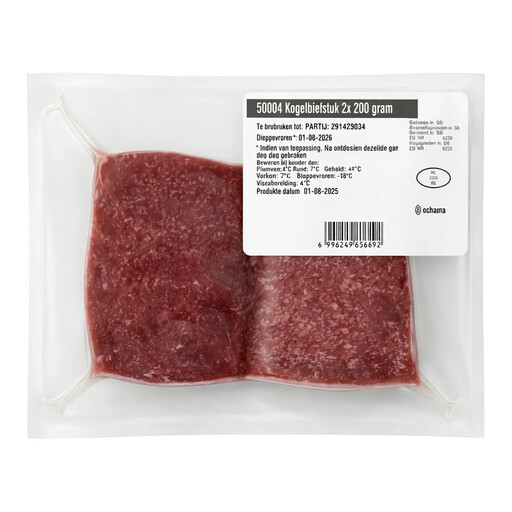
Why this product suits this profile: Two individually portioned 200-gram steaks make planning for one or two people easier. According to the product information, it is made from 100% beef and produced in the Netherlands.
The weight, portioning, storage instructions and nutritional values are clearly stated, making price comparisons easier.
400 g total weight, two individual portions and suitability for frying pan, barbecue or griddle.
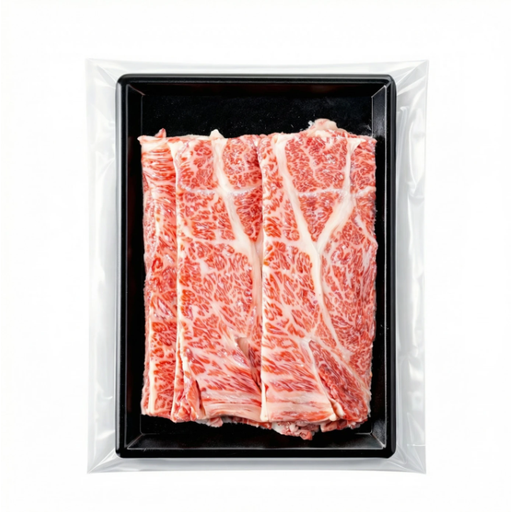
Why this product suits this profile: The 1.2-millimetre slices of Japanese Wagyu A5 are specially intended for shabu-shabu and short cooking times.
The slice thickness and intended use are clearly stated, rather than relying solely on general quality claims.
200 g pack, origin: Japan, with 23 g of protein and 25 g of fat per 100 g according to the product information.
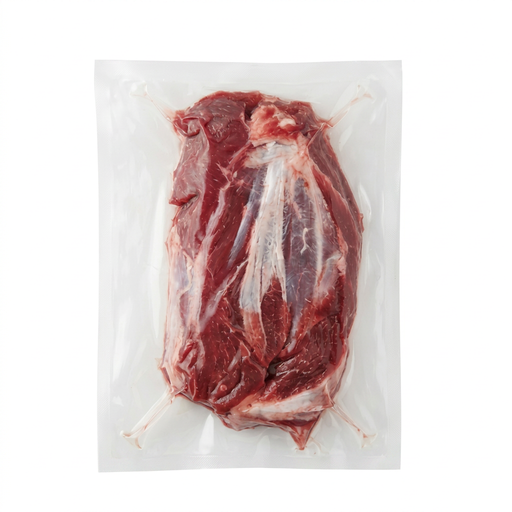
Why this product suits this profile: One kilogram of beef shank is intended for braised dishes, stock and slow cooking in larger quantities.
The cut is not presented as suitable for quick frying; it is specifically intended for braising, stewing and slow cooking.
1 kg pack size, origin: the Netherlands, and 34.6 g of protein per 100 g according to the labelling.
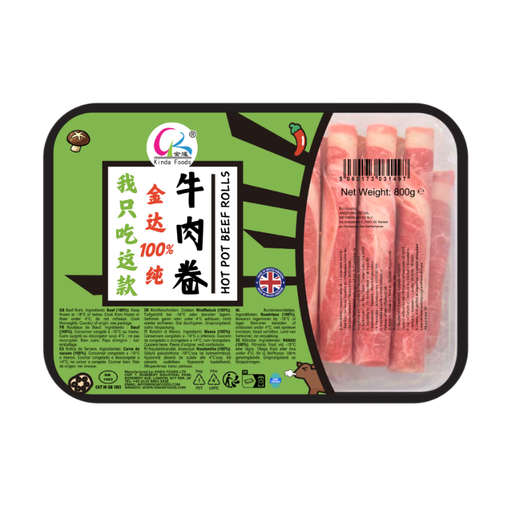
Why this product suits this profile: Evenly sliced beef rolls made from British beef are designed for hot pot and quick frying.
The even thickness prevents different cooking times within a portion, while the frozen storage instructions are clearly stated.
800 g pack, IQF packaging according to the product description, and suitability for hot pot, stir-fry and sukiyaki-style dishes.
We have put together a complete, regularly updated list of products that fully meet these strict selection criteria and the safety regulations applicable in the EU.
For steaks, pat the surface dry before frying. A heavy frying pan or a well-preheated barbecue helps achieve even browning. The exact core temperature depends on the cut, the desired level of doneness and the information on the packaging. Special precautions apply to vulnerable people and minced meat; follow the manufacturer’s instructions.
For hot pot and shabu-shabu, thin slices only need to be cooked briefly in simmering stock. Beef flank, beef ribs and beef shank, on the other hand, require a longer cooking time. The same applies to larger packs, which should be prepared promptly after thawing.
Chilled or frozen meat is generally dispatched in suitable insulated packaging. When it arrives, check the condition of the packaging, the temperature information and the best-before date. Frozen goods should be placed straight in the freezer.
The specific best-before date is shown on the packaging. The product should be stored at –18 °C or below in accordance with the manufacturer’s instructions. Once thawed, the products mentioned here must not be refrozen.
For a meal consisting of individual steaks, 200 to 400 grams is practical. For hot pot with several people, meal prep or catering businesses, 500 grams to 1 kg may be more suitable. The key consideration is whether the meat is portioned or can be used up completely after opening.