
Lieferung heute & morgen

Qualitätsgarantie

Willkommens-Angebote freischalten: KOSTENLOSE Lieferung | Bis zu 80 % RABATT | Kostenlose 30-Tage-JoyPlus-Testphase
App herunterladen
Anyone looking to buy matcha powder will find a wide variety of products online: pure green tea powder, blends with sugar and milk ingredients, instant drinks, and powders for baking and cooking. However, the name “matcha” alone says little about the ingredients, origin or intended use. Checking the label, nutritional values and preparation instructions carefully can help you avoid buying the wrong product.
Some products contain dextrin, vitamin C, sugar, sweeteners or milk powder in addition to ground tea. This can be convenient for making a quick drink, but it does not meet the needs of anyone looking for 100% matcha. If you want a pure product, check the ingredients list. If it contains only “matcha powder” or “green tea powder”, the composition is clearer.
A matcha drink powder or 3-in-1 product may dissolve quickly in water, but it often contains sugar and other ingredients. For example, the product information for CHATTRAMUE 3 in 1 Green Tea Powder lists 66 g of sugar per 100 g. This product is therefore more suitable for fans of sweet Thai milk tea drinks than for shoppers looking for a low-sugar beverage.
“Japanese matcha powder” and green tea powder from other countries of origin are not automatically interchangeable. Products intended for traditional preparation also differ from powders specifically designed for baking or use as an ingredient. For example, Moyuan Matcha Powder is described as being intended for use as an ingredient and as originating from China. You should compare such details with your intended use before buying.
For a product that is as unadulterated as possible, a short ingredients list is a useful guide. According to the product information, the Matcha Powder 30g consists of 100% matcha powder from Tencha. No sugar, salt or bulking agents are listed. For allergy sufferers and people following specific diets, the allergen information on the packaging remains decisive.
For blended products, you should check specifically for milk, gluten-containing cereals, soya and sweeteners. Vegan does not automatically mean low in sugar, and a product with no added sugar is not necessarily pure matcha powder.
The per-100 g information makes it easier to compare products, but it does not tell you everything when using small portions. The recommended quantity is also important. Look out for:
According to the product description, Itoen Matcha + Green Tea Rich Taste Powder 40g is offered without added sugar or salt. It combines green tea, matcha, dextrin and vitamin C. This means it is not pure matcha powder, but a soluble tea powder containing several ingredients.
Matcha is sensitive to light, heat, air and moisture. Storing it in a dark, tightly sealed container helps preserve its colour and aroma. Some products recommend cool storage; the instructions on the individual packaging should always take precedence.
For pure matcha, water at around 70 to 80 °C is often recommended. Water that is too hot can alter the flavour profile. Using a fine sieve when whisking helps reduce lumps. For lattes and baking, matcha can first be mixed with a small amount of liquid to form a smooth paste.
The following products differ significantly in terms of ingredients, origin, pack size and intended use. They should therefore not be viewed as like-for-like alternatives.
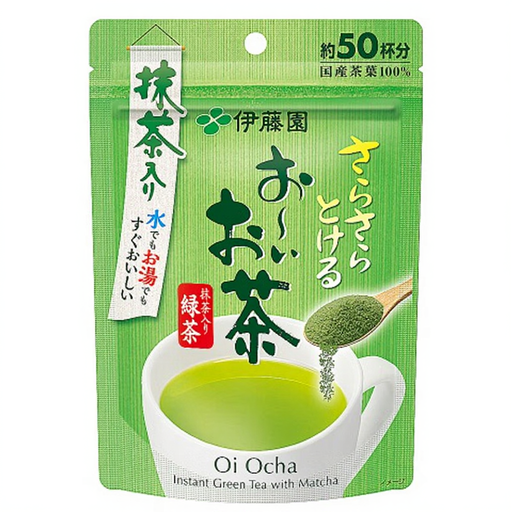
Why this product suits this profile: The powder is designed for quick preparation with water or milk and is suitable for both hot and cold drinks.
The product description identifies the blend of green tea, matcha and vitamin C, as well as 0 g of sugar per 100 g. This makes the ingredients easier to understand than those of drink powders with less detailed descriptions.
40-g tin, soluble powder and, according to the product information, no added sugar or salt.
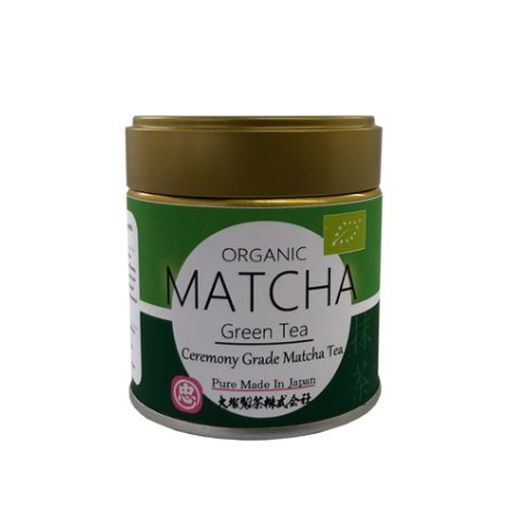
Why this product suits this profile: The stated composition of 100% Tencha matcha is aimed at shoppers who prioritise ingredient purity and traditional preparation.
The ingredients list contains only matcha powder from Tencha. It is not blended with sugar, creamers or flavourings.
100% Tencha according to the product information, sourced from Japan and intended for tea, lattes and baking.
Why this product suits this profile: The large pack is designed for frequent preparation of Thai milk tea, cold drinks or desserts.
Sugar, milk ingredients and green tea powder are clearly listed in the ingredients. The high sugar content is apparent before purchase.
500-g pack, dissolves in hot or cold water and is suitable for drinks and desserts.
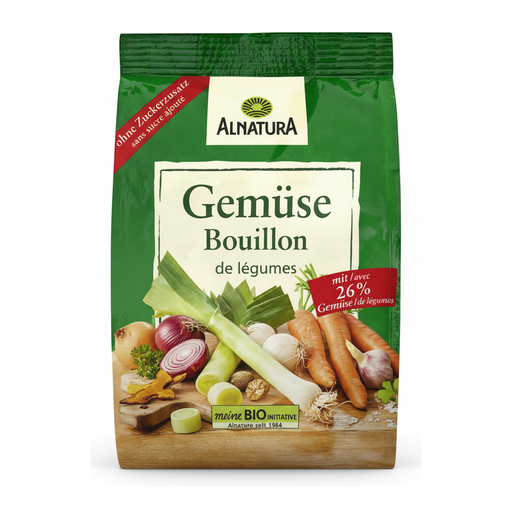
Why this product suits this profile: For shoppers looking for other practical powders for soups, sauces and vegetable dishes alongside matcha.
The product information specifies organic quality, vegan suitability, 25% vegetable content and a precise dosage. According to the description, no sugar is added.
250 g, labelled DE-ÖKO-001 and, according to the product information, enough to prepare 12.5 litres.
Other powders expand the range for different kitchens: TRS Gamala Powder is an Indian spice blend containing coriander, cumin, cardamom and cloves, among other ingredients. A mushroom powder superblend and Sinnippai Matcha + Green Juice are also available for functional drink preparation. Because their ingredients and intended uses differ, these products should not be treated as equivalent to pure matcha.
We have put together a complete, regularly updated list of products that fully meet these strict selection criteria and the safety regulations applicable in the EU.
Matcha is traditionally made from shaded Tencha tea leaves that are finely ground. Green tea powder is a more general term and may consist of other types of green tea and use different production methods, depending on the product. The ingredients list and origin information provide more specific guidance.
The best-before date is shown on the packaging. Once opened, matcha should be stored tightly sealed, in a dry place and away from light. For products that specifically require refrigeration, follow the manufacturer’s instructions. Smaller packs may be a sensible choice if you only use the powder occasionally.
First, sift around 1 to 2 g of powder. Then mix it with a small amount of water at approximately 70 to 80 °C, before whisking it with a bamboo whisk or small balloon whisk. For matcha lattes and baking recipes, the smooth paste can then be combined with more liquid or the remaining ingredients.