
Lieferung heute & morgen

Qualitätsgarantie

Willkommens-Angebote freischalten: KOSTENLOSE Lieferung | Bis zu 80 % RABATT | Kostenlose 30-Tage-JoyPlus-Testphase
App herunterladen
As a Joybuy Product Recommendation Officer, I see countless products for our feathered friends every day. My job is to separate the wheat from the chaff and give you practical advice so you can make an informed decision. Whether you have a feathered companion at home or want to support the wild birds in your garden, choosing the right supplies is crucial for the animals' well-being. However, the market is flooded with products that promise more than they deliver.
This guide highlights the most common purchasing traps and shows you which key features to look for to find durable, species-appropriate products.
A well-intentioned purchase can quickly turn out to be unsuitable or even harmful. Watch out for these typical problems to avoid poor investments:
To avoid the pitfalls mentioned above, you should check three central aspects before buying. These criteria will help you objectively assess the quality and suitability of bird supplies.
The safety of your birds is the top priority. This is especially true for products that the animals come into direct contact with.
The right diet is the foundation for a healthy bird's life. Whether it's wild bird food or feed for pet birds, the ingredients are crucial.
A product is only good if it is accepted by the birds and safely serves its purpose.
Based on the criteria above, we have identified some products that are well-suited for specific user profiles.
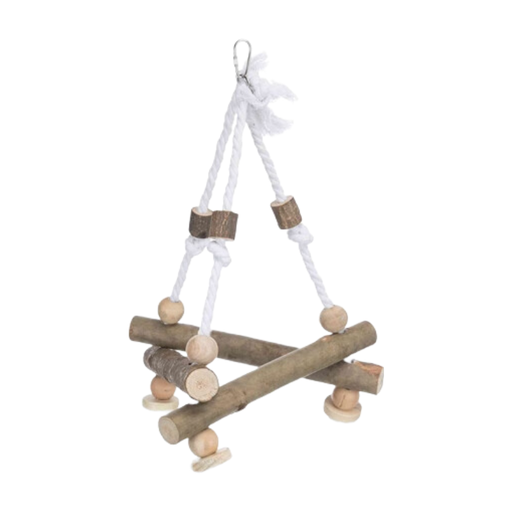
Why it fits the profile: Ideal for owners of parakeets or parrots looking for a species-appropriate activity that promotes both physical and mental stimulation.
The toy is made of natural bark wood with varying thickness, which supports foot health and avoids the pitfall of unsuitable materials. It is free from potentially harmful plastics or paints.
Encourages natural chewing and playing behaviour while also helping to wear down claws. Provides an additional perching spot and variety in the cage.
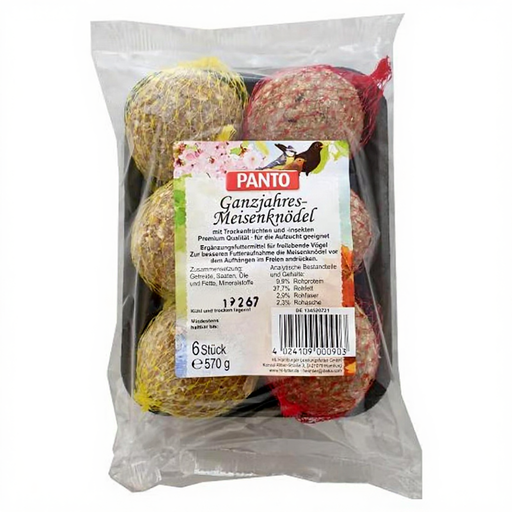
Why it fits the profile: A straightforward solution for balcony or garden owners who want to offer wild birds a high-energy food source without much effort.
These suet balls offer a high-energy composition of grains, oils, fats, and seeds, thus avoiding the trap of low-nutrient feed. The net allows for secure hanging.
Ready to use, as each ball is individually packed in a net. Suitable as a year-round feed, providing birds with necessary energy, especially in cold months.
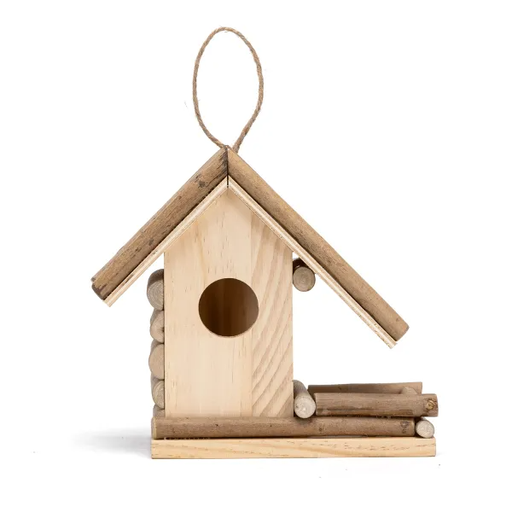
Why it fits the profile: For gardeners who want to offer native birds a natural and safe nesting site that blends harmoniously into the surroundings.
This nesting box avoids the pitfall of poor design by being crafted from natural, untreated wood. This material is breathable and safe for birds, unlike plastic or metal boxes which can overheat.
Provides a sheltered and species-appropriate nesting place. The natural wood colour blends unobtrusively into gardens and balconies, increasing the chance of it being accepted by birds.
We have compiled a complete, up-to-date list of products that fully meet these strict selection criteria and current regulations.
How often should bird sand be replaced? For optimal hygiene, it is recommended to spread a 1–2 cm layer of bird sand on the cage floor. Heavily soiled areas should be removed daily. A complete change of the sand should be done once or twice a week, depending on the number of birds and the size of the cage.
Is year-round feeding of wild birds recommended? This topic is often debated. Many conservation organisations now advocate for year-round feeding, as natural food sources are becoming scarcer, especially in urban areas. It is important to offer high-quality, species-appropriate food and to clean feeding stations regularly to prevent the spread of diseases.
How can I identify safe bird toys? Look for natural materials like untreated wood, cotton, or sisal. Metal parts should be made of stainless steel. Check the toy for small, detachable parts, long threads, or loops in which the bird could get entangled. Any colours should be explicitly declared as non-toxic or food-safe.