
Lieferung heute & morgen

Qualitätsgarantie

Willkommens-Angebote freischalten: KOSTENLOSE Lieferung | Bis zu 80 % RABATT | Kostenlose 30-Tage-JoyPlus-Testphase
App herunterladen
Anyone looking to buy biscuits and cookies online will quickly find a wide selection: international cookies, Asian snacks, butter biscuits, filled biscuits and wafer biscuits are often listed side by side. Product images may look appealing, but they reveal little about ingredients, portion size or allergens. For an informed purchase, it is therefore better to rely on verifiable information than eye-catching packaging.
Japanese biscuits and other Asian snacks are often sold in compact packs. 40 to 55 g can be suitable for a single snack or for trying something new. However, for a family or regular coffee breaks, the price per 100 g is the more meaningful figure for comparison. Before buying, you should therefore check the net weight, number of pieces and unit price.
Names such as strawberry biscuits, matcha biscuits or vanilla and cream biscuits describe the flavour, but do not automatically indicate the proportion of the named ingredient. For example, strawberry flavouring may be combined with a small amount of strawberry powder. The key information is found on the product page and packaging: ingredients, flavourings, colourings and the actual fruit or tea content.
An airy wafer is not automatically lower in calories. The energy values of the products listed, for example, range from 376 to 567 kcal per 100 g. Butter biscuits and filled biscuits can also contain significant amounts of sugar and saturated fatty acids. The nutrition table helps you assess products objectively for an everyday snack, sharing or desserts.
For packaged foods in Germany, allergens that must be declared have to be highlighted in the ingredients list. Pay particular attention to:
For a gluten-free diet, the specific “gluten-free” labelling should be the deciding factor. Schär, for example, offers gluten-free ladyfingers and gluten-free Petit Beurre butter biscuits. Even so, you should check the current packaging information before every order, as recipes and labelling may change.
The shape has a greater influence on how a product is used than the brand name:
Always compare nutritional values per 100 g, rather than looking only at the pack. This makes it easier to assess packs of different sizes. Once opened, biscuits should be stored in a cool, dry place away from direct sunlight. An airtight container helps preserve their crunch. You will find the best-before date on the relevant packaging; with imported products, the format may differ from what you are used to in Germany.
The following products cover a range of flavours and uses. The information about ingredients and allergens is based on the product details provided. Please also check the current label before eating.
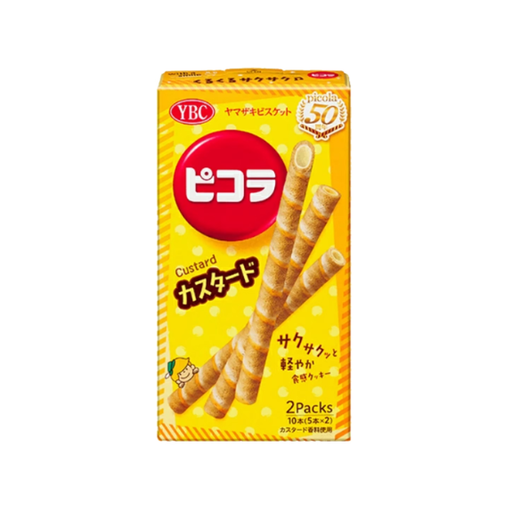
Why this product suits this profile: The small 49 g pack is ideal for discovering Japanese biscuits or enjoying as an individual snack. The combination of a crisp biscuit stick and custard flavour is clearly described.
The portion size is clear before you buy. Wheat, egg, milk and soya are listed as allergens.
Japanese origin, ready-to-eat biscuit sticks and 486 kcal per 100 g according to the product information.
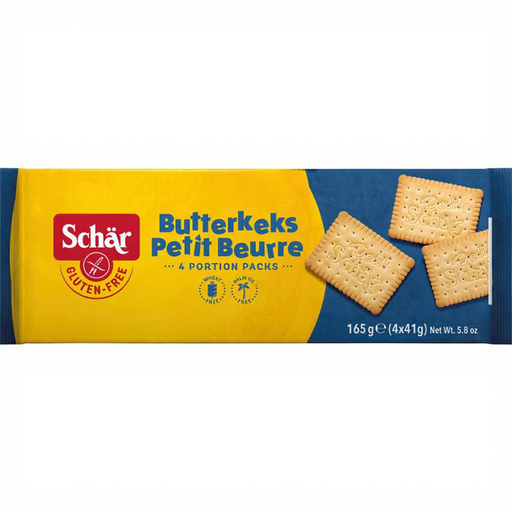
Why this product suits this profile: This variety follows the classic Petit Beurre format and is described as gluten-free. It is ideal with coffee or tea, or as a simple snack.
Suitability is assessed using the specific gluten-free labelling and ingredients list, not the product’s appearance.
165 g pack, 10% butter according to the description, plus 458 kcal per 100 g.
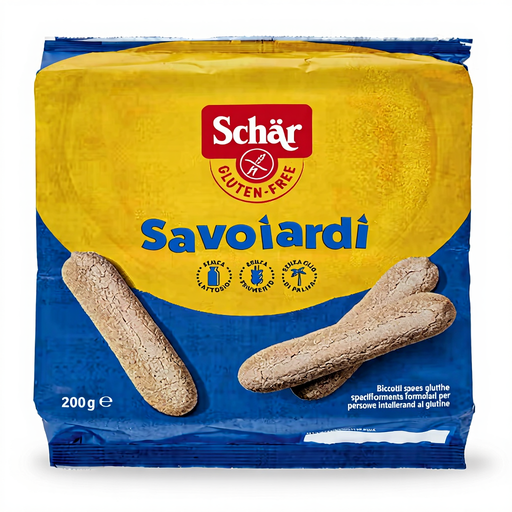
Why this product suits this profile: The ladyfingers are designed for tiramisu, coffee, tea and fruit desserts. The 200 g pack offers more flexibility for these uses than individual portions.
The gluten-free, lactose-free and palm-oil-free product information is clearly separated from the serving suggestions.
Italian origin, 200 g contents and 38% egg according to the ingredients information provided.
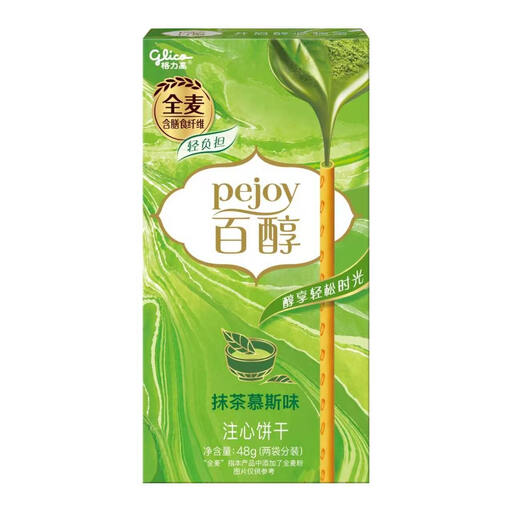
Why this product suits this profile: These filled biscuit sticks combine a crisp shell with a matcha mousse filling. They are ideal to eat straight away or enjoy with tea and coffee.
The matcha content is listed as 5%. Wheat, barley, milk and soya are identified as allergens.
48 g pack, ready-to-eat portion and clearly stated matcha flavour.
Ladyfingers or sponge fingers are generally used for this. They absorb coffee or other liquids without immediately falling apart. If you follow a gluten-free diet, check the relevant labelling. Schär Gluten-Free Ladyfingers Biscuits and Jeden Tag Ladyfingers Sponge Biscuits are among the available options; ingredients and allergens should be checked again before use.
Store the pack in a cool, dry place away from light. Seal it carefully or place the biscuits in an airtight container. This is particularly important for wafer biscuits and cream-filled biscuits, as moisture can alter their texture. With small portions, it makes sense to open only the amount you need.
For a single snack, 40 to 55 g may be enough. Packs between 150 and 400 g are more practical for sharing or desserts. Also compare the unit price per 100 g, shelf life and storage conditions. This makes it easier to judge whether a larger pack is genuinely suitable for your household.