
Lieferung heute & morgen

Qualitätsgarantie

Willkommens-Angebote freischalten: KOSTENLOSE Lieferung | Bis zu 80 % RABATT | Kostenlose 30-Tage-JoyPlus-Testphase
App herunterladen
If you’re looking to buy biscuits and crackers online, you’ll find a wide range to choose from: butter biscuits, salted crackers, filled biscuits, wholemeal biscuits, oat biscuits, wafers and international snacks are often listed side by side. Product images alone, however, tell you little about ingredients, allergens, pack size or what a product is best suited for.
Three common buying mistakes can lead to the wrong choice:
Packaged foods must list their ingredients and any allergens that need to be declared. Look out in particular for gluten or wheat, milk, egg, soya, peanuts, tree nuts and sesame. Warnings such as “May contain traces of …” indicate that there may have been cross-contact during production.
This is particularly relevant for international sweets and Asian snacks, as recipes and flavours can vary. A product with barbecue, mala or spring onion flavouring may also contain sulphites or additional seasoning blends.
Always compare energy, fat, saturates, sugars and salt per 100 g. This makes it easier to compare products in different pack sizes. According to the product information, TUC Mini Original Salted Crackers contain 1.7 g of salt per 100 g, while Jeden Tag Salted Crackers are listed as containing 2.3 g of salt per 100 g.
For sweet products, it’s also worth checking the filling. According to the product description, Nora Haselinos contain 25% cream filling and 2.8% hazelnuts. Leibniz Keks & Sahne is described as having a 47% milk cream filling. These figures help you assess product claims objectively.
Packs of 120 to 200 g are often enough for a coffee break or a snack on the go. Families, offices and frequent snackers may benefit from multipacks or larger packs. It’s worth checking whether the packaging can be resealed or includes individual portions.
Biscuits, wafers and savoury snacks should be stored in a cool, dry place away from direct sunlight. Once opened, many products are best kept in an airtight container to help them stay crisp. This is particularly important for butter wafers, salted crackers and delicate piped biscuits.
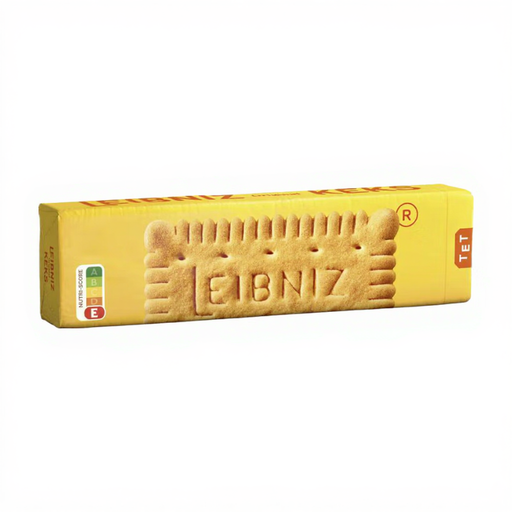
Why this product suits this profile: The 200 g pack is a handy choice for everyday snacking, enjoying with coffee or sharing. The ingredients list includes 12% butter.
The product information clearly lists the ingredients, allergens, nutritional values and storage advice. This makes it easier to choose with confidence, rather than relying on the product image.
200 g pack; wheat flour as the main ingredient and 12% butter, according to the product information.
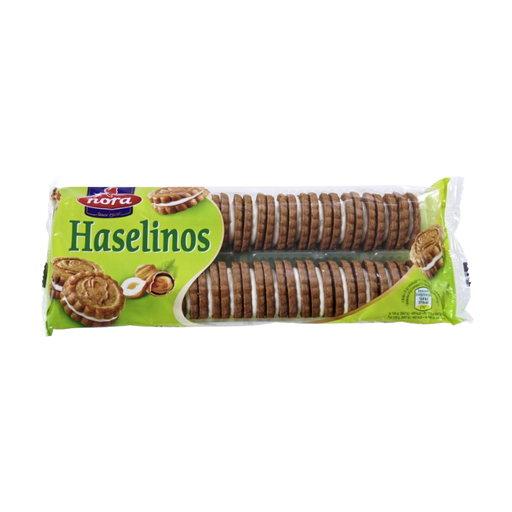
Why this product suits this profile: The combination of crisp pastry, 25% cream filling and 2.8% hazelnuts is a good fit for buyers who value clear information about fillings and ingredients.
The amount of hazelnuts and the filling percentage are specified. Gluten, milk, nuts and egg are listed as allergens.
250 g pack; Dutch origin according to the product description; clear information about the filling and hazelnut content.
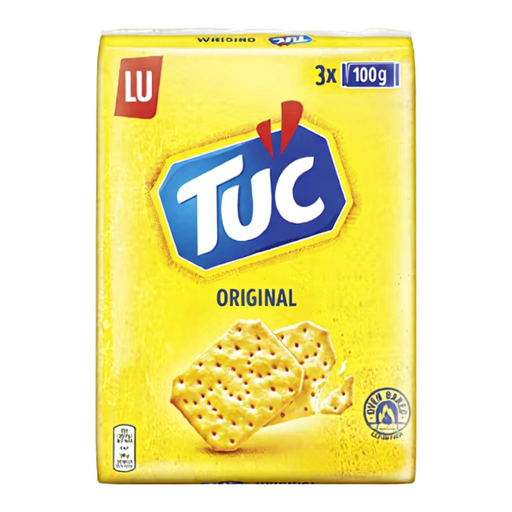
Why this product suits this profile: The three individual packs, totalling 300 g, are handy for the office, family households and snacks on the go, or for serving with cheese and dips.
The multipack format means you don’t have to open the whole quantity at once. Ingredients and allergens are listed in the product information.
3 x 100 g; ideal for snacking or pairing with spreads, cheese and dips.
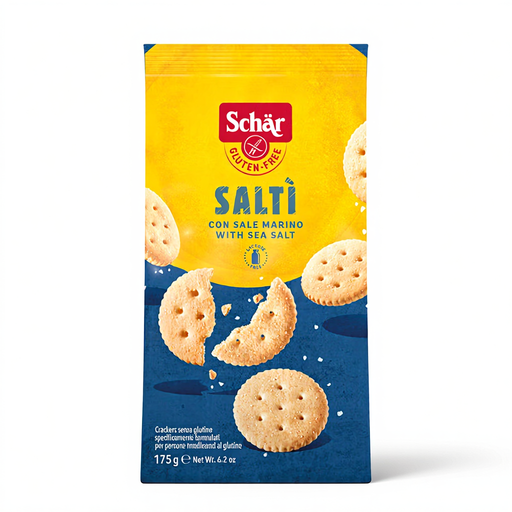
Why this product suits this profile: The product description identifies these as gluten-free salted crackers with no added milk, eggs or lactose. This can help you choose more confidently to suit your dietary needs.
Its gluten-free credentials are clearly stated. However, check the warning about soya and possible traces of lupin before eating.
175 g pack; maize starch and maize flour listed as the main ingredients; no added milk, eggs or lactose according to the product description.
We’ve put together a complete, regularly updated list of products that meet these strict selection criteria and fully comply with the safety regulations in force in the EU.
First compare the price per 100 g, then check the ingredients, allergens, nutritional values and pack format. A lower pack price may not be such good value if the pack is smaller or the product has a higher salt or sugar content.
Store them in a cool, dry place away from light. Seal opened packets as airtight as possible, or use a tin with a tight-fitting lid. With multipacks, open only the individual pack you need.
Check which sweeteners are used. Coppenrath Viennese Sand Rings list maltitol, erythritol and isomalt. The product description also states that they contain 27.7 g of polyols per 100 g and warns of a possible laxative effect if eaten in excess. Always follow the information on the pack you receive.