
Lieferung heute & morgen

Qualitätsgarantie

Willkommens-Angebote freischalten: KOSTENLOSE Lieferung | Bis zu 80 % RABATT | Kostenlose 30-Tage-JoyPlus-Testphase
App herunterladen
If you want to buy biscuits online, you’ll quickly find a wide selection, from butter biscuits, Viennese whirls and shortbread to chocolate biscuits, oat biscuits, nut biscuits and international specialities. But product pictures alone won’t tell you whether a pack is right for your household, dietary requirements or the occasion you have in mind.
A 400 or 500-gram pack may look like good value at first glance. But for people living alone or smaller households, the savings can be less worthwhile if the biscuits lose their crunch after opening. That’s why it’s important to check the unit price, net weight, resealable packaging and recommended time for consuming the biscuits after opening.
If you’re buying nut biscuits, check the ingredients list. A product may contain just 0.9% almonds, hazelnuts or walnuts, for example, with its flavour also coming from flavourings or other ingredients. For anyone with an allergy, the full allergen information is more important than the wording on the front of the pack.
Sugar-free biscuits may be sweetened with polyols such as maltitol, erythritol or isomalt. According to the product information, Coppenrath Viennese Sand Ring Biscuits contain maltitol, erythritol and isomalt, among other ingredients. The nutritional information states that the product contains 0.4 grams of sugar and 27.7 grams of polyols per 100 grams. The labelling warns that excessive consumption may have a laxative effect. Check the packaging information before buying and eating the biscuits.
The following information is particularly useful when choosing the right biscuits:
Dry, crunchy varieties such as butter biscuits, shortbread and Viennese whirls are ideal for enjoying with coffee or tea. If you’re looking for biscuits to share, consider larger packs or assorted biscuits. Individually wrapped caramel biscuits are handy when you’re out and about, while resealable bags can be a good choice for smaller households.
It’s also worth considering the texture:
Depending on the recipe, the products featured contain approximately 434 to 530 kilocalories per 100 grams. Fat, saturated fat, sugar, salt and serving size are also important when comparing them. A product containing oats isn’t automatically low in sugar: according to the product information, Leibniz Oat Crunchy Butter Biscuits contain 30% oats, but also 26 grams of sugar per 100 grams.
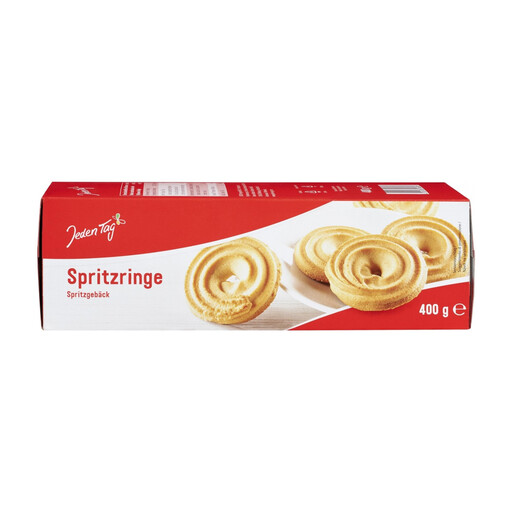
Why this product suits this type of shopper: The 400-gram pack is a good choice for households that like to keep biscuits on hand for coffee or sharing.
The net weight is clearly stated, making it easier to compare the unit price with smaller packs.
400 grams of shortbread rings; according to the product information, 434 kcal and 22 grams of sugar per 100 grams.
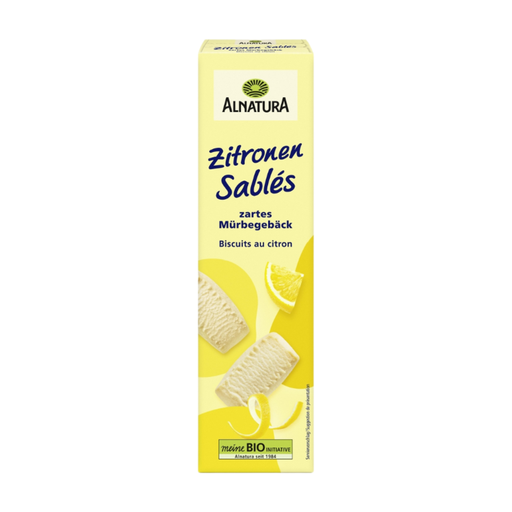
Why this product suits this type of shopper: The recipe is aimed at shoppers looking for a combination of organic certification, a vegan option and a zesty lemon flavour.
The product information lists organic ingredients and certification DE-ÖKO-007; the recipe is also described as vegan.
110-gram pack, 10% lemon oil according to the description, and made in Germany according to the product information.

Why this product suits this type of shopper: The 200-gram pack comes in resealable packaging, making it suitable for smaller households and shoppers specifically looking for sugar-free biscuits.
The product description clearly highlights the polyols used and the possible effect of excessive consumption.
200 grams, resealable packaging and a hint of vanilla; according to the product information, it still contains wheat, egg and butter.
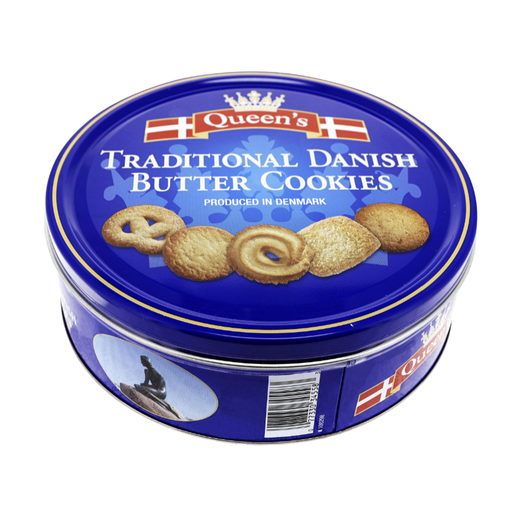
Why this product suits this type of shopper: The large pack is ideal for households looking for Danish butter biscuits to serve to guests, enjoy with coffee and share regularly.
The ingredients list states that the biscuits contain 26% butter and also warns that they may contain traces of nuts, peanuts and egg.
500 grams, Danish origin according to the product information, and 26% butter in the recipe.
We’ve put together a complete, regularly updated list of products that meet these strict selection criteria and fully comply with the safety regulations in force in the EU.
Packs between 100 and 250 grams are usually easier to finish. Resealable packaging can help the biscuits retain their texture for longer after opening. If you’re considering a larger pack, such as 400 or 500 grams, think about how quickly your household is likely to get through it.
The best-before date is shown on the packaging. The product information for several of the items featured gives an unopened shelf life of at least 48 days. Once opened, biscuits should be stored in a cool, dry place in a tightly sealed container or pack. Always follow the manufacturer’s guidance for specific storage times.
Before buying, check the full ingredients list and any warnings about possible traces. Common allergens listed include wheat or gluten, milk, egg, soya, peanuts and tree nuts. If you’re unsure, always refer to the specific labelling on the product packaging.