
当日/次日达

品质保障

开启新人专享福利: 全场免邮 | 低至 2 折 | 免费试用 30 天 JoyPlus 会员
下载 Joybuy
If you’re looking to buy biscuits online, you’ll quickly find a huge selection of biscuits and cookies, international specialities and practical bulk packs. However, product images alone don’t tell you whether a pack will suit your everyday needs. What really matters are the ingredients, allergens, portion size and storage.
A family pack can be a sensible choice for households with several people. But for smaller households, there’s a risk that the biscuits will lose their crunch once opened. So don’t just check the total weight – also look at how the pack is divided into individual portions. With 400 g split into 16 or 20 servings, it’s easier to portion and transport the contents.
Names like “Peach Oolong”, “Strawberry” or “Matcha” describe a flavour profile. They don’t automatically tell you how much of the named ingredient is actually present. For example, the Oreo Strawberry Cookies list a strawberry powder content of just 0.06%. So for products with fruit or tea flavours, it’s worth checking the ingredients list and the quantitative ingredient declaration.
A biscuit designed for adults is not a suitable substitute for baby porridge from 5 months. Similarly, cat treats are labelled as complementary pet food and are not intended for human consumption. Always check the age guidance, intended use and feeding instructions before you buy.
For packaged foods, the allergen information should be clearly readable before you purchase. Biscuits often contain wheat (or gluten), milk, soya, barley, nuts or sesame.
Examples from the product range:
The labelling on the actual packaging you receive is what counts. If you have allergies or intolerances, please check the information again before eating.
Comparing values per 100 g makes it easier to assess different packs. Oreo Chocolate Filled Cookies are listed at 486 kcal per 100 g, while Parle-G Cookies show 451 kcal per 100 g according to the product data. This isn’t a judgement of quality – it’s a comparison point to help you choose.
For individually wrapped snacks, the number of pieces also matters. A pack with 16 or 20 individual portions is ideal for lunchboxes, the office or eating on the go. At the same time, once you’ve opened the outer packaging, the individual wrappers should be stored in a dry, clean place.
Most biscuits should be stored in a cool, dry place away from direct sunlight. After opening, an airtight container is recommended. Biscuit tins for storage made from tin or aluminium are suitable for dry foods, but not for liquids. Some models are neither dishwasher nor microwave safe and should be cleaned with a damp cloth.
When choosing a tin, the key factors are:
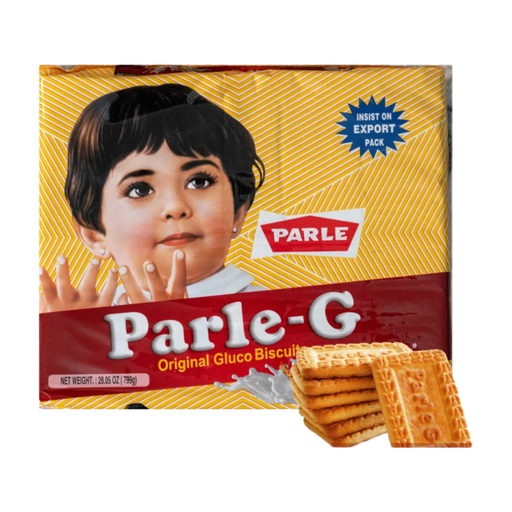
Why this product fits the profile: The classic recipe with wheat flour and milk is ideal for shoppers looking for a straightforward tea-time or lunchbox snack.
The product data lists ingredients, nutritional values and storage advice, so you can make an informed choice before buying.
79.9 g pack, 451 kcal per 100 g according to product information, and requires dry storage.
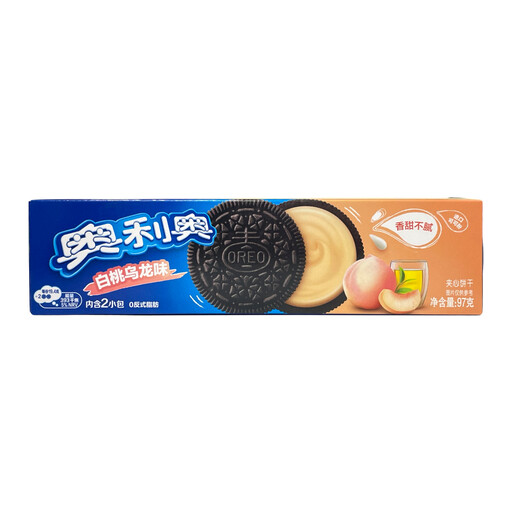
Why this product fits the profile: This variety combines chocolate biscuits with peach and oolong notes, appealing to shoppers who choose international flavours based on clear product data.
The declared flavour is backed up by a detailed ingredients and allergen list; it contains wheat, milk and soya among other things.
97 g total weight, split into two packs; 490 kcal and 42 g sugar per 100 g according to product information.
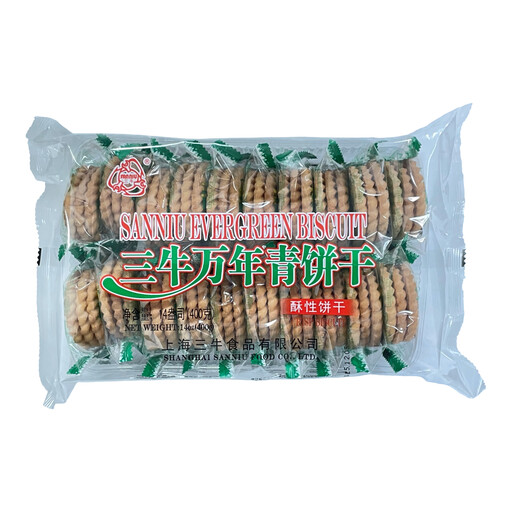
Why this product fits the profile: These savoury crackers come as 20 individually wrapped portions, making them ideal for the office, days out or sharing.
The portioning reduces the need to repeatedly open the whole pack. The wheat allergen warning is clearly stated.
400 g total weight, 20 individual packs and a savoury onion flavour; ready to eat.
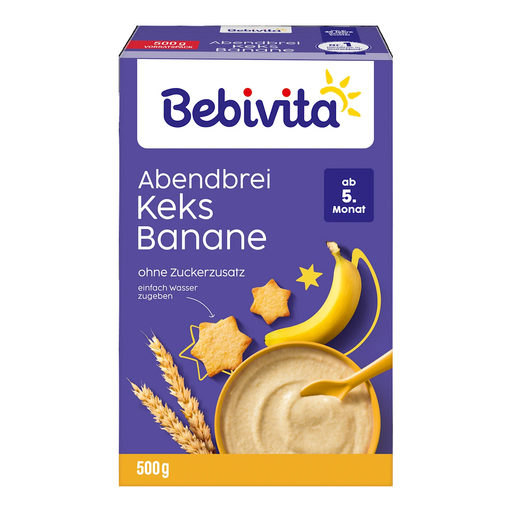
Why this product fits the profile: This milk and cereal porridge is suitable from 5 months according to the product information, and is freshly prepared with water.
The age guidance, preparation with water at around 50 °C and the instruction to prepare each serving fresh are all clearly described.
500 g pack, no added sugar according to product information, plus calcium, iron and vitamin D.
We’ve put together a full, regularly updated list of products that meet these strict selection criteria and comply fully with EU safety regulations.
Check the ingredients, allergens, nutritional values per 100 g, total weight, individual portions and best-before date. For international products, the country of origin and the responsible company should also be listed.
Store them in a dry, cool place in an airtight container. A suitable biscuit tin can help reduce moisture and unwanted odours. The tin should only be used for dry foods and cleaned according to the manufacturer’s instructions.
That depends on the price, weight and how quickly you’ll use them. Family packs can be practical for regular consumption. Individual packs, on the other hand, offer clearer portion control and are better for eating on the go. Compare the price per 100 g and consider how quickly your household will get through the contents.