
当日/次日达

品质保障

开启新人专享福利: 全场免邮 | 低至 2 折 | 免费试用 30 天 JoyPlus 会员
下载 Joybuy
If you’re looking to buy biscuits and cookies online, you’ll find a huge selection: American-style cookies with chocolate chips, classic butter biscuits, sandwich biscuits, wafer biscuits and Japanese biscuits with unique flavours. With so much choice, it’s not always easy to decide. Product images can make packs look bigger than they really are, flavour descriptions can be vague, and with international products, ingredients and allergy warnings aren’t always immediately clear.
This shopping guide will help you sort biscuits by pack size, ingredients, allergens, flavour and how you plan to use them.
Eye-catching packaging or an international speciality is often sold in small quantities. 40 to 100 grams can be handy for a single snack, but it’s not always good value for money. If you’re buying biscuits to share or for several coffee breaks, make sure you compare the unit price and net weight.
Some products are sweetened with sweeteners such as maltitol, erythritol or other substances. For example, the Oreo Zero Sugar Sandwich Cookie states 0 grams of sugar per 100 grams, but the product description also mentions that it contains sweeteners. You should always cross-check these claims against the full ingredients list and nutritional information. If you have a sensitive digestive system, sweeteners can affect people differently.
“Chocolate”, “matcha”, “strawberry” or “cheese” can be achieved using cocoa, tea powder, fruit powder, flavourings or fillings, depending on the product. To make an informed choice, it’s worth checking the percentage of key ingredients if this information is given on the product page or packaging.
The most common allergens in biscuits are wheat (or gluten), milk, egg, soya, peanuts and tree nuts. The recipe can vary depending on the country of origin and the variant. If you’re buying for children, guests or your own household, always check the highlighted allergens before ordering.
Also look out for warnings like “May contain traces of nuts”. This doesn’t mean nuts are an ingredient, but it does indicate possible unintentional traces during production.
Individually wrapped portions are practical for eating on the go. For families or regular biscuits with coffee, a larger pack can be more sensible. Once opened, biscuits should be stored in a cool, dry place, preferably in an airtight container. Moisture affects their crunchiness; for chocolate-based products, heat and direct sunlight can alter their texture.
The best-before date is printed on the packaging of pre-packed foods. For international products, also check whether the labelling is available in English and whether the ingredients and allergen information are clearly presented.
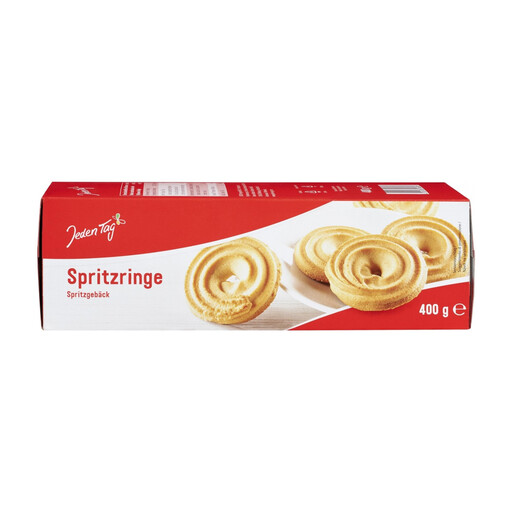
Why this product fits the profile: The 400 g pack is designed for regular coffee breaks and sharing around the house.
The net weight is clearly stated. Ingredients and allergens such as wheat, egg, milk and tree nuts should be checked before purchase.
Large pack, classic crunchy shape and, according to the product information, 434 kcal per 100 g.
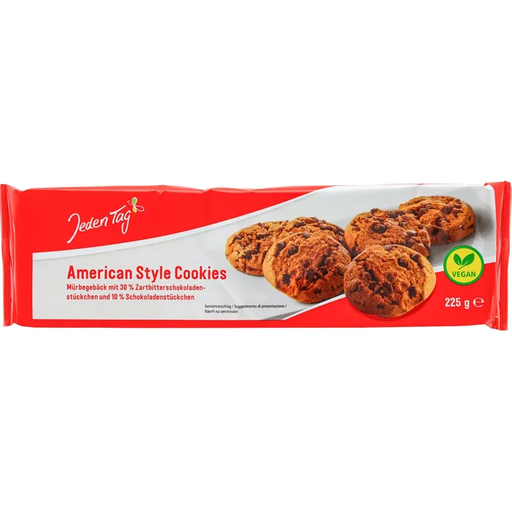
Why this product fits the profile: A clear ingredients declaration with 25% dark chocolate chips makes the flavour specific and trustworthy.
The chocolate content is stated clearly, rather than just being suggested by the imagery.
225 g net weight, 25% dark chocolate chips and UTZ-certified cocoa according to the product information.
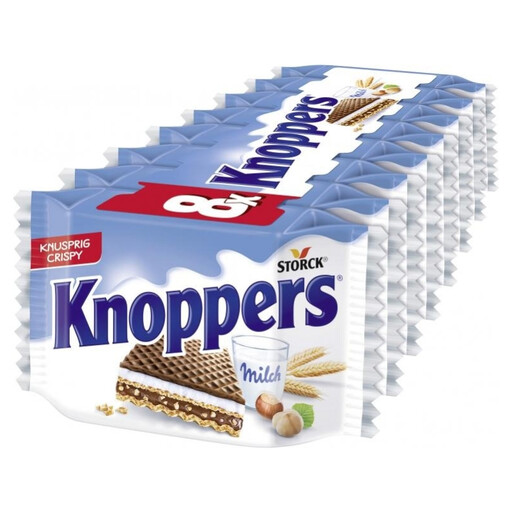
Why this product fits the profile: Eight individually wrapped 25 g portions are ideal for the office, days out or planned sharing.
The individual portions make the actual quantity clear and protect unopened bars from moisture.
Total weight 200 g, individually wrapped, and contains hazelnut, milk, cocoa and wheat ingredients according to the ingredients list.
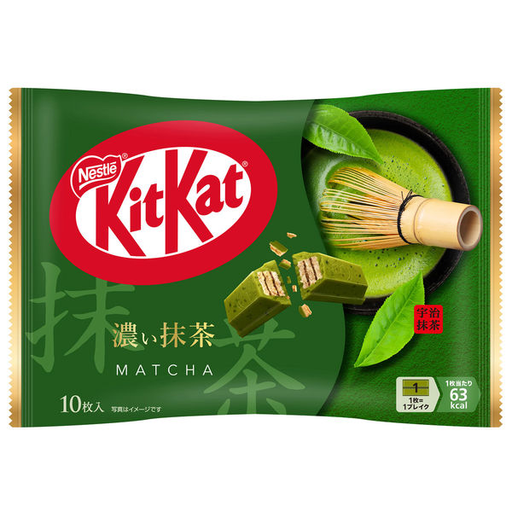
Why this product fits the profile: Matcha green tea powder complements the cocoa, making this biscuit a great option for curious fans of Asian snacks.
The ingredients list includes matcha powder and states the allergens present, such as wheat, soya and milk.
113 g pack weight, matcha green tea powder in the recipe and storage instructions recommending a maximum of 25 °C.
We’ve put together a full, regularly updated list of products that meet these strict selection criteria and comply with EU safety regulations.
Butter biscuits, shortbread, American-style cookies and classic sandwich biscuits are all popular choices with coffee or tea. It really comes down to personal preference when it comes to sweetness and texture. Crunchy wafer biscuits and shortbread are easy to portion, while chocolate cookies have a bolder flavour.
This depends on the recipe, packaging and humidity. Once opened, biscuits should be kept tightly sealed in their original packaging or stored in an airtight container. Products containing chocolate should also be protected from heat and direct sunlight.
As well as flavour, it’s important to consider allergen labelling, pack size, individual portions and sweeteners. For a household with both children and adults, a mix of classic biscuits, chocolate varieties and small international packs can work well. Always refer to the ingredients and nutritional information on the product page or packaging for the most accurate details.