
Lieferung heute & morgen

Qualitätsgarantie

Willkommens-Angebote freischalten: KOSTENLOSE Lieferung | Bis zu 80 % RABATT | Kostenlose 30-Tage-JoyPlus-Testphase
App herunterladen
If you’re looking to buy biscuits online, you’ll often come across attractive tins, tempting flavour claims and large packs. But the best way to choose is to look beyond the promotional images and check the ingredients, allergens, pack size and packaging. Whether you’re after butter biscuits to enjoy with coffee, chocolate biscuits for a snack or a tin of biscuits to give as a gift, a quick comparison can help you avoid a purchase you’ll regret.
“Butter biscuits”, “butter cookies” and “shortbread” don’t indicate a standard level of quality. The ingredients list is what matters: check whether butter is actually included and where it appears in the list. The percentage can vary considerably. According to the product information, GPR Gold Butter Cookies contain 30% butter, while GPR Classic Butter Cookies Christmas contain 3%. Both products have a butter-related name, but their recipes differ.
A 340 g tin or a 500 g pack can be handy for families, offices or entertaining. For a smaller household, a smaller pack with resealable packaging may be a better choice. Once opened, biscuits can also lose their crunch, so check any storage instructions such as “reseal tightly after opening”.
Sugar-free biscuits often use sweeteners such as maltitol, erythritol or isomalt instead of sugar. They may suit certain dietary preferences, but they are still biscuits that contain energy. Coppenrath also notes that excessive consumption of its sugar-free Viennese Sand Rings may have a laxative effect because they contain sugar alcohols. Check the product label and nutrition table before buying.
Common allergens in biscuits include wheat or gluten, milk, egg, soya and nuts. Warnings such as “may contain traces of” are also important for people with allergies. Recipes can change, so always check the information on the packaging you receive.
If you’re looking for organic biscuits, check for a specific organic certification. For example, Alnatura Organic Lemon Sablés carry the DE-ÖKO-007 certification. The product description also says they’re vegan and lactose-free. This doesn’t automatically mean that traces of milk or nuts are ruled out.
Don’t just compare the price per pack; check the price per 100 g too. Available products range from 70 g for Franzzi Matcha Mousse Chocolate Flavour Cookies to 500 g for Queen’s Danish Butter Cookies, for example. Smaller packs are ideal with a single coffee, while larger ones may be better for entertaining or regular snacking.
Most of the products mentioned should be stored in a cool, dry place away from heat. If the packaging is resealable, close it again after each serving. This helps preserve the texture, but you should still check the best-before date.
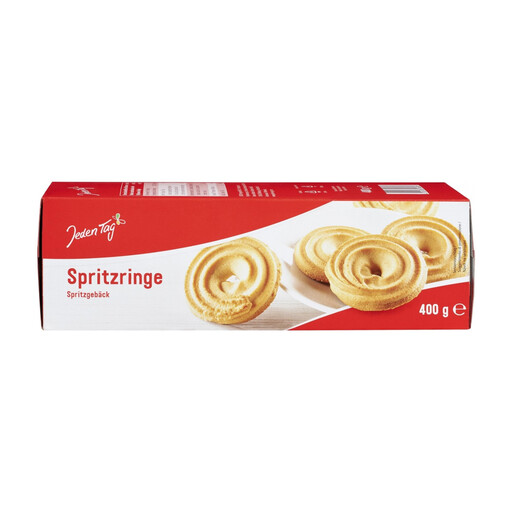
Why this product suits this shopper: The 400 g pack is ideal for regular coffee and tea breaks, and for sharing at home.
The product information clearly lists the weight, ingredients, allergens and storage conditions, so you can decide whether the larger pack is right for you before buying.
400 g pack, classic ring shape and storage in a cool, dry place.
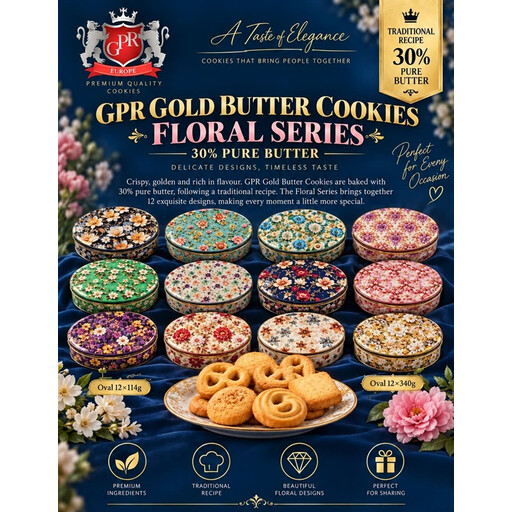
Why this product suits this shopper: The stated butter content of 30% and the oval tin make this an appealing choice for entertaining or as a gift.
The butter content is clearly stated in the product description, rather than being suggested only by a general product name.
340 g pack, 30% butter according to the product information, and a decorative tin; one of 12 tin designs will be sent at random.

Why this product suits this shopper: The sugar-free recipe and resealable bag are aimed at shoppers who want to avoid sugar in their choice of products.
The description lists the sweeteners used, 0.4 g of sugar per 100 g and the warning about excessive consumption.
200 g pack, resealable packaging and clearly stated sugar alcohols.
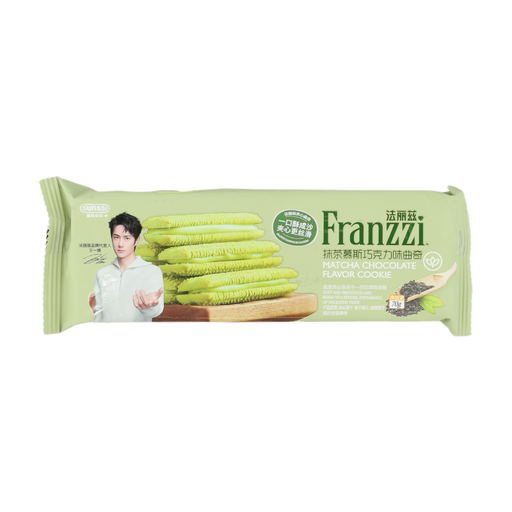
Why this product suits this shopper: The combination of matcha and chocolate notes appeals to shoppers looking beyond classic butter or oat biscuits for something different.
The 70 g pack limits the risk of a costly mistake when trying an unfamiliar flavour profile.
70 g pack, matcha mousse and chocolate flavour, and declared allergens including wheat, milk and soya.
We’ve compiled a complete, regularly updated list of products that meet these strict selection criteria and the safety regulations in force in the EU.
Butter biscuits, piped biscuits, shortbread and chocolate biscuits are often served with coffee. For an informed choice, texture, pack size and ingredients matter more than the product name. If you’re entertaining, an assorted selection such as Lambertz Fine Assorted Pastries, with ten different pastries, can be a practical option.
Store biscuits in a cool, dry place away from heat. After opening, seal the original packaging tightly or transfer the contents to an airtight tin. Filled biscuits and products containing chocolate also benefit from extra protection from heat and direct sunlight.
No. Sugar-free biscuits may contain wheat, gluten, milk, egg, soya or nuts. Sugar alcohols are also often used. Check the ingredients, allergens and nutritional information on the packaging, and make sure they meet your individual dietary requirements.