
Lieferung heute & morgen

Qualitätsgarantie

Willkommens-Angebote freischalten: KOSTENLOSE Lieferung | Bis zu 80 % RABATT | Kostenlose 30-Tage-JoyPlus-Testphase
App herunterladen
If you want to buy biscuits online, you'll quickly find a huge selection of butter biscuits, chocolate biscuits, filled biscuits and international snacks. The product images often look similar, yet the ingredients, pack size, allergens and texture can differ significantly. Making a conscious choice helps you avoid disappointing purchases – especially when buying for the family, for sharing, or to enjoy with coffee and tea.
An eye-catching tin or a big bag can contain less than you expect. What really matters is the net weight in grams and, where applicable, the number of individual portions. To compare several products, always look at the price per 100 g.
Descriptions like "chocolate", "matcha" or "strawberry" don't always reflect the actual recipe. Check whether cocoa, matcha powder, strawberry powder or just flavourings are used. For filled biscuits, the ratio of biscuit to filling is also important.
Many biscuits contain wheat, milk, egg or soya. International products may also have different recipes or warnings such as "May contain traces of nuts". If you're looking for gluten-free biscuits, make sure you check for clear labelling and the full ingredients list. A product description is no substitute for reading the actual packaging label.
For classic butter biscuits, it's worth checking the butter content. Leibniz Original Butter Biscuits, for example, contain 12 % butter and 70 % wheat flour according to the product information. For chocolate biscuits, the cocoa content and type of filling are key: Oreo Original consists of cocoa biscuits with a vanilla cream filling, while Meiji products offer different combinations of crunchy biscuit with chocolate or fruit filling.
For Asian snacks and Japanese sweets, also pay attention to the translation of the flavour. Matcha mousse, strawberry and milk chocolate differ significantly in sweetness, aroma and texture.
The allergen labelling required in the EU usually highlights ingredients such as wheat, milk, egg, soya and nuts. For a gluten-free diet, a product like Schär Gluten-Free Petit Beurre Butter Biscuits is specifically designed for this audience. The product information lists corn starch, corn flour and egg as ingredients, with milk and egg as allergens.
Important: "Gluten-free" does not mean free from all allergens. Always check the packaging before eating and consider any trace warnings.
The nutrition table usually shows values per 100 g. This allows you to make a fair comparison of energy, fat, sugar and salt. Depending on the recipe, values for biscuits can vary widely. Individual portions can help you keep track of how much you're eating.
For quality after opening, dry, cool storage, a well-sealed bag and protection from direct sunlight are essential. Wafer biscuits, mini biscuits and filled products lose their crunch more quickly when exposed to moisture. You'll find the best-before date on the individual packaging.
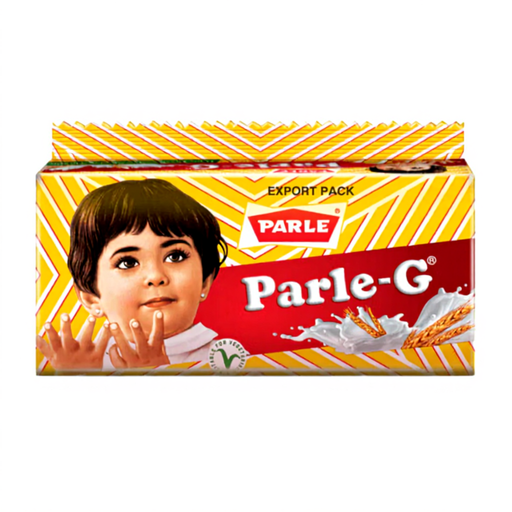
Why this product fits the profile: The small 79 g pack is ideal if you want to try a classic variety first, or need a compact portion for on the go.
The clearly stated pack size prevents you from mistaking a decorative large pack for a large product quantity.
According to the product information, the recipe contains 67 % wheat flour; the biscuits are suitable for eating straight away or with tea.
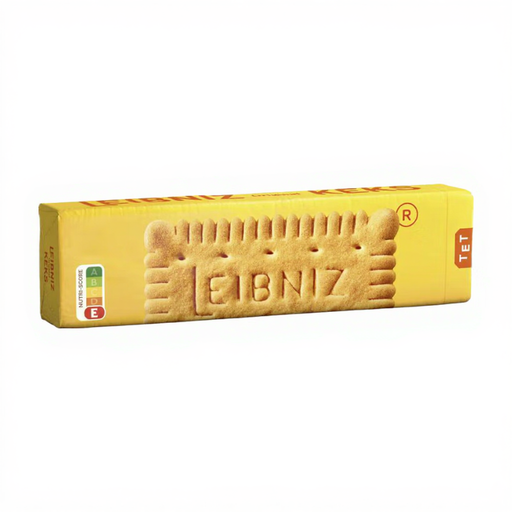
Why this product fits the profile: The classic recipe is designed for coffee breaks, tea time and sharing with several people.
The ingredients list names butter and its percentage specifically. This makes it easier to assess the "butter biscuit" label objectively.
200 g pack size, 12 % butter according to the product information, and made in Germany. Contains wheat, milk, egg and soya among other ingredients.
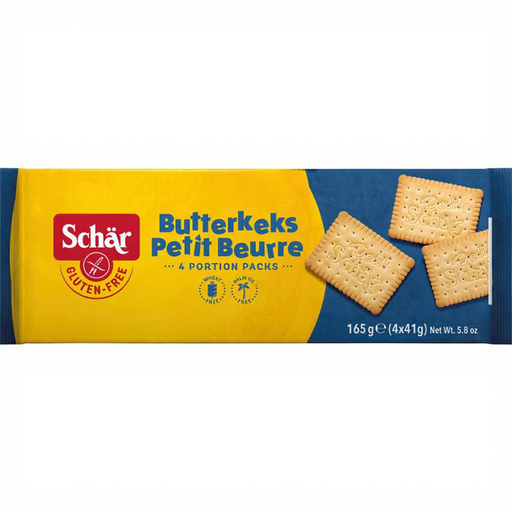
Why this product fits the profile: The gluten-free focus makes this pack appealing to shoppers who look for clear product labelling when making their choice.
The product name clearly states "Gluten-Free". However, allergens such as milk and egg still need to be considered.
165 g pack size, petit-beurre shape and 10 % butter according to the product description. Suitable for serving with coffee or tea.
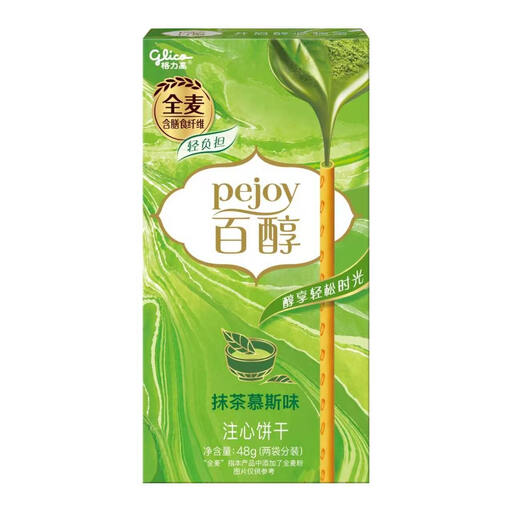
Why this product fits the profile: The small pack offers a clearly recognisable combination of crunchy biscuit and matcha mousse filling, perfect for a tea or coffee break.
The description states 5 % matcha powder and lists wheat, barley, milk and soya. This means the ingredients can be checked before purchase.
48 g pack size, filled stick shape and 486 kcal per 100 g according to the information. Ready to eat and suitable with tea or coffee.
We've put together a full, regularly updated list of products that fully meet these strict selection criteria and the safety regulations in force in the EU.
Butter biscuits, shortbread, wafer biscuits and classic biscuits often pair beautifully with coffee or tea. For a fruity alternative, filled biscuits are a good choice, while matcha or other Asian snacks offer a more distinctive flavour profile. Ultimately, it comes down to personal preference and how sweet you like them.
Store biscuits in their original packaging or an airtight container in a cool, dry place. Moisture and heat particularly affect wafer biscuits, mini biscuits and products with a chocolate coating. Individual portions should be eaten soon after opening.
Look for clear gluten-free labelling, the ingredients list and any trace warnings. Products containing wheat, barley or oats without a corresponding gluten-free claim are not automatically suitable for a gluten-free diet. The information on the packaging you receive is what counts.