
Lieferung heute & morgen

Qualitätsgarantie

Willkommens-Angebote freischalten: KOSTENLOSE Lieferung | Bis zu 80 % RABATT | Kostenlose 30-Tage-JoyPlus-Testphase
App herunterladen
If you want to buy biscuits online, you’ll quickly find a wide selection of butter biscuits, chocolate biscuits, wafers, caramelised wafer biscuits and international sweets. However, product images don’t always show the exact pack size, ingredients or packaging you’ll receive. To choose the right product, look for clear, verifiable information rather than eye-catching claims.
A high weight in grams doesn’t automatically mean the biscuits come in convenient portions. Individually wrapped products can be useful for the office, school or travelling. For stocking up at home, a larger pack is often better value. So check:
A large pack of biscuits may suit you if you eat them regularly, while smaller packs can be easier to open and store.
Words such as ‘buttery’, ‘creamy’ or ‘with chocolate’ don’t tell you much about the exact ingredients. What matters is the ingredients list, shown in descending order by weight, and any allergens highlighted on the packaging. Butter biscuits, for example, may contain wheat, milk, egg and soya. Wafers and sandwich biscuits often contain nuts, peanuts or other milk ingredients too.
Recipes, labelling and packaging for international biscuits may differ from familiar European versions. Before buying, check the current product description and, when your order arrives, read the packaging.
In sugar-free biscuits, sugar is often replaced with sweeteners such as maltitol, erythritol or isomalt. This can mean a low stated sugar content, while the fat, flour and overall energy content remain significant. Some sugar substitutes may also have a laxative effect if eaten in large quantities. Always refer to the specific information on the packaging.
Check the allergen information. Common ingredients in biscuits include:
If you have an intolerance or allergy, the product page alone may not be enough, as recipes can change. Check the packaging before eating.
Comparing values per 100 grams makes it easier to compare products in different pack sizes. In particular, look at:
A single biscuit bar may contain less energy than 100 grams of a similar product simply because it weighs less. Bear this in mind when judging portion sizes.
Dry biscuits should generally be stored in a cool, dry place away from direct sunlight. Once opened, an airtight container can help keep them crisp. Individually wrapped products are already portioned for you. Check the best-before date and make sure the pack is undamaged.
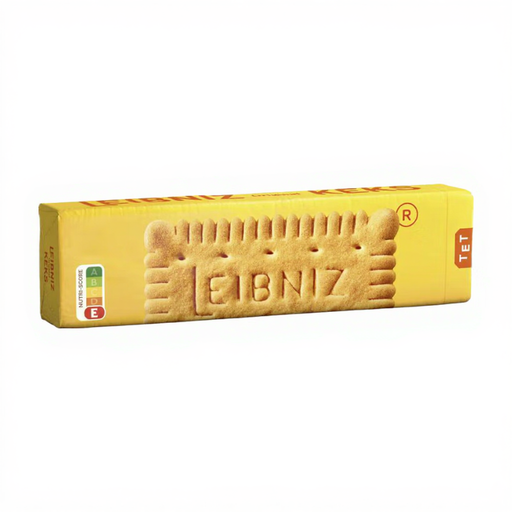
Why this product suits this shopper: The 200g pack is a manageable size for enjoying at home with coffee or tea. The product description states that it contains 12% butter and describes a classic, plain biscuit.
The net weight is clearly stated, making it easy to compare the pack with larger multipacks by price per 100 grams.
200g net weight; according to the product information, 70% wheat flour and 12% butter; ready to eat.
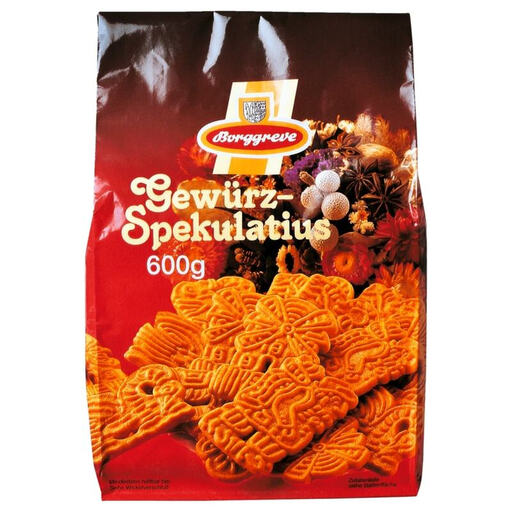
Why this product suits this shopper: The 600g pack is a good choice if you enjoy spiced biscuits with coffee, tea or desserts and eat them regularly.
The pack size is clearly stated. The ingredients include cinnamon and caramelised sugar syrup, so you can get a clear idea of the flavour profile.
600g net weight; crisp speculoos biscuits; according to the product information, made in Germany.
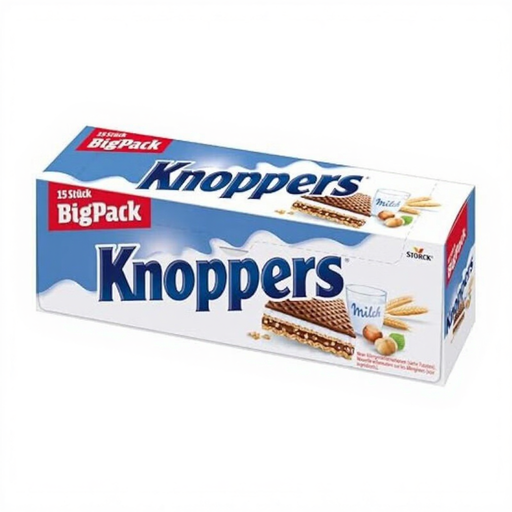
Why this product suits this shopper: The 15 individually wrapped wafers are ideal for the office, travelling, families and planned portions.
The total weight of 375g and the 15 individual portions are clearly stated. This avoids confusing the weight of the multipack with the weight of each portion.
15 individual 25g packs; wafers with milk and nougat cream; hazelnuts, wheat, milk, peanuts and soya are listed as allergens.
We’ve put together a complete, regularly updated list of products that meet these strict selection criteria and the safety regulations in force in the EU.
For a bit of variety, try chocolate biscuits, sandwich biscuits, biscuit bars and international treats such as Japanese, Korean or Thai snacks. If you’d like to try different varieties, you can mix and match smaller packs. For families or offices, wafers, caramelised wafer biscuits and multipacks with clearly defined portions are practical choices.
When choosing sugar-free biscuits such as Coppenrath Viennese Sand Rings, read the ingredients list carefully. According to the product information, they contain maltitol, erythritol and isomalt, as well as wheat, egg and milk. The sugar content is stated as 0,4 g per 100 g, with 27,7 g of polyols also listed. This information is not a substitute for personalised dietary advice.
Individually wrapped wafers, biscuit bars and biscuit sticks are easy to portion and help protect the rest of your supply from air and moisture. Also check the weight of each portion and any potential allergens.
The best-before date is printed on the packaging. If stored in a cool, dry place away from light, they should retain their stated quality until that date. Once opened, make sure the pack is sealed properly again.
The only way to tell is to compare the price per 100 grams. A multipack is most worthwhile if you eat the biscuits regularly and can store them in a dry place.