
Lieferung heute & morgen

Qualitätsgarantie

Willkommens-Angebote freischalten: KOSTENLOSE Lieferung | Bis zu 80 % RABATT | Kostenlose 30-Tage-JoyPlus-Testphase
App herunterladen
Anyone looking to buy biscuits online will quickly find a wide selection of butter biscuits, cookies, shortbread biscuits and international baked goods. However, comparing them is not always straightforward: product images often show only the front of the packaging, serving information varies and terms such as “with nuts” reveal little about the actual quantity. By following a few consistent checks, you can make a more objective and suitable choice.
“Walnut”, “almond” or “hazelnut” in a product name does not automatically mean that the ingredient is present in a large quantity. In Daliyuan HCD Shortbread Biscuits, the declared content of walnuts, almonds or hazelnuts is 0.9% in each variety. At the same time, these varieties contain wheat flour and peanuts. If you are specifically looking for nut biscuits or need to take an allergy into account, you should therefore read the ingredients list and the quantitative ingredient declaration.
With international products, the product name, description and image may differ from one another. The Parle Parle-G Cookies Family Pack product title states 79.9 g, while the description also mentions a larger family pack. Before buying, you should therefore check the net weight, number of individual packs and current packaging information on the product page or label.
A vegan recipe is not automatically organically certified. Likewise, avoiding artificial colourings or preservatives says nothing about the sugar, fat or calorie content. For example, the SWAD varieties are described as having vegan recipes, but no organic certification is stated. By contrast, Alnatura Organic Lemon Sablés carry the DE-ÖKO-007 certification and are described as vegan. The specific labelling is what matters, not a general advertising claim.
For households with allergies or specific dietary preferences, allergen information is the most important point to check. Common ingredients in butter biscuits, shortbread and piped biscuits include:
Statements such as “May contain traces of …” should also be taken into account. SWAD Peanut Cookies with Mixed Nuts list peanuts, almonds, cashews and pistachios as ingredients; according to the product information, there is also a possible risk of cross-contamination from other ingredients. For a reliable assessment, always refer to the labelling on the current packaging.
When choosing almond biscuits, nut biscuits, peanut biscuits or sesame biscuits, it is worth checking the percentage declaration. According to the product information, SWAD Sesame Cookies contain 53% sesame seeds. SWAD Peanut & Almond Cookies contain 50% peanuts and 4% almonds. This makes them significantly different from products in which nuts are included only as a flavouring component or in small quantities.
The order of the ingredients is also relevant for coconut biscuits. SWAD Coconut Brittle Cookies list desiccated coconut at 36% and roasted peanuts at 14%. This can help you choose if you are looking for a pronounced coconut or nut flavour.
Nutritional values are generally stated per 100 g, allowing for a direct comparison. Based on the information provided, butter and shortbread products range from 485 to 518 kcal per 100 g, for example. This is not a judgement, but a factual guide for planning portions.
Pack size and packaging type also matter in everyday use:
The following recommendations match products to specific everyday situations based on clear information such as ingredients, net weight, origin and allergens.
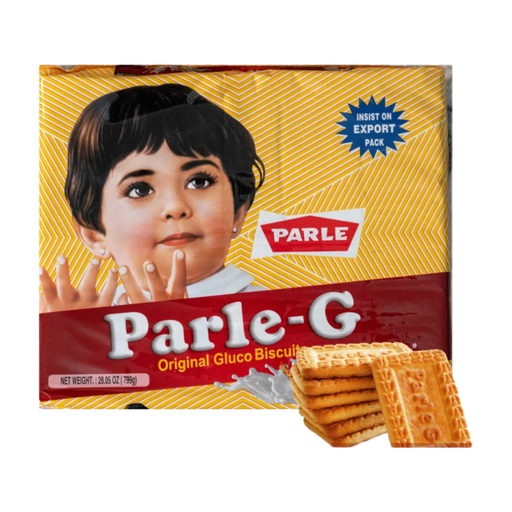
Why this product suits this profile: These Indian biscuits are described as classic, crisp biscuits with moderate sweetness. According to the product information, they are suitable for tea, lunchboxes or enjoying on the go.
Nutritional values and ingredients are provided. Because different weights are stated in the description, the exact pack size should be checked again before ordering.
Wheat flour accounts for 67% of the stated recipe; milk is listed at 0.6%. Origin: India.
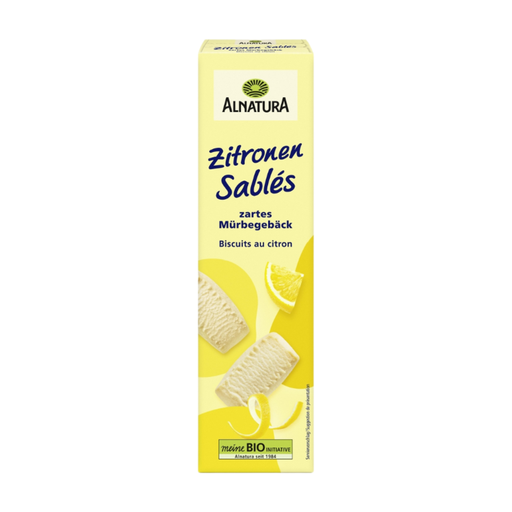
Why this product suits this profile: The recipe is described as vegan and carries the DE-ÖKO-007 organic certification. Its lemon flavour is ideal for tea and coffee breaks.
The organic status and vegan credentials are clearly stated. However, it contains wheat flour with gluten; traces of egg, milk and nuts may be present.
110-g pack, vegan recipe with five stated ingredients and made in Germany.
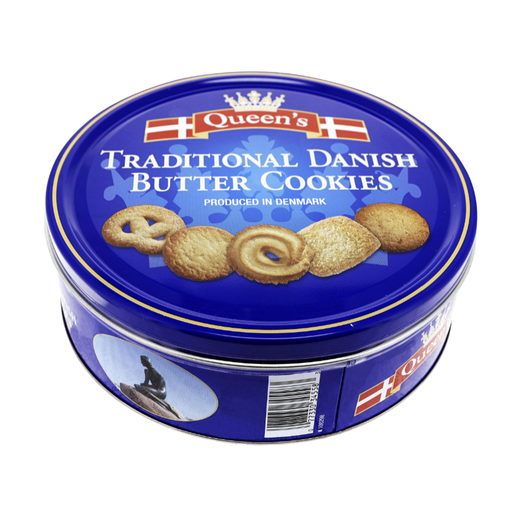
Why this product suits this profile: The 500-g pack is designed for sharing, entertaining and keeping in stock. The stated butter content is 26%.
The butter content is clearly stated. At the same time, the product information warns that traces of nuts, peanuts and eggs may be present.
Large pack for several people, 26% butter and origin: Denmark.
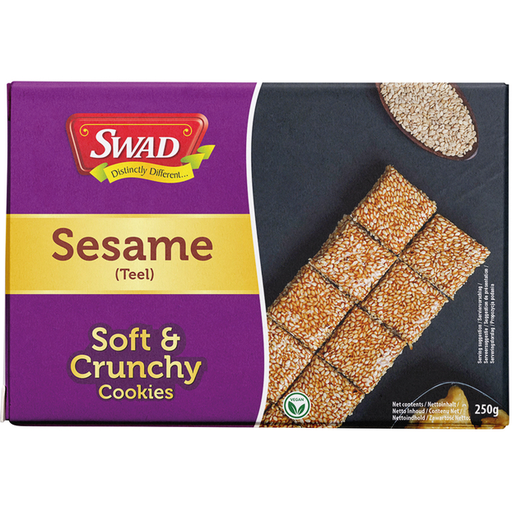
Why this product suits this profile: This Indian sesame speciality is aimed at shoppers looking for crisp biscuits with a clearly stated sesame content.
According to the product information, the sesame content is 53%. It also warns of possible cross-contamination with wheat, peanuts, soya and tree nuts.
250-g pack, 53% sesame seeds and vegan recipe according to the product information; origin: India.
In Germany, biscuits should generally be stored in a cool, dry place and protected from direct sunlight. Once opened, crisp products lose their texture more quickly when exposed to humidity. An airtight container may therefore be more practical than leaving the original bag open. The best-before date on the packaging remains the key reference. With imported products, you should also check whether the labelling is available in German.
Butter biscuits, Danish butter biscuits, shortbread biscuits and lemon sablés are often served with tea or coffee. For a specific choice, the butter content, sweetness, texture and possible allergens are more important than the product name alone.
This depends on the recipe, packaging and storage conditions. Dry biscuits may lose their crispness after opening. Storing them in an airtight container and consuming them in line with the packaging instructions is advisable. The printed best-before date applies to the unopened pack.
Read the ingredients list and allergen information in full. Possible trace warnings are particularly relevant for nut biscuits, peanut biscuits, sesame biscuits and international baked goods. If you are unsure, check the current product packaging or contact the seller.