
Lieferung heute & morgen

Qualitätsgarantie

Willkommens-Angebote freischalten: KOSTENLOSE Lieferung | Bis zu 80 % RABATT | Kostenlose 30-Tage-JoyPlus-Testphase
App herunterladen
Anyone looking to buy biscuits online will quickly find a wide selection of international biscuits, Asian snacks and well-known brands. However, chocolate biscuits, butter biscuits, filled biscuits, wafer biscuits and nut biscuits can differ considerably in their ingredients, pack size, country of origin and allergens. Attractive packaging alone says little about whether a snack is right for your needs.
Descriptions such as “creamy”, “fruity” or “intense” suggest the expected flavour, but do not reveal the actual composition. For example, a product with vanilla or lemon flavouring does not necessarily contain significant amounts of real vanilla or lemon. If you are specifically looking for matcha biscuits, chocolate biscuits or butter biscuits, you should therefore check the ingredients list and the stated percentage quantities.
In products labelled “Zero Sugar”, the sweetness may come from sugar substitutes such as maltitol. This is not the same as a calorie-free product. Sugar substitutes can also cause unwanted digestive reactions in sensitive individuals. The nutrition table and ingredients list therefore remain essential.
A 40- or 60-gram pack is convenient for taking on the go, but may be more expensive in relation to its weight than a 250- or 500-gram pack. Conversely, larger packs carry the risk that biscuits will lose their crispness after opening. For comparing prices, the price per 100 grams is more useful than the pack price alone.
Recipes and labelling for international biscuits may differ from those of products commonly found in Germany. Pay particular attention to:
A vegan diet requires more than avoiding milk: eggs, whey powder, milk powder and certain coating agents must also be excluded. If you have allergies, the information on the packaging delivered to you should be treated as authoritative, as recipes can change.
Packs of 250 to 500 grams are practical for the office kitchen, family supplies or a celebration. Individually wrapped portions, on the other hand, can be useful for the office, school bag or travelling. This applies, for example, to small wafer biscuits and biscuit sticks. Once opened, biscuits should be sealed as airtight as possible and stored in a dry place.
The type of product provides an initial guide:
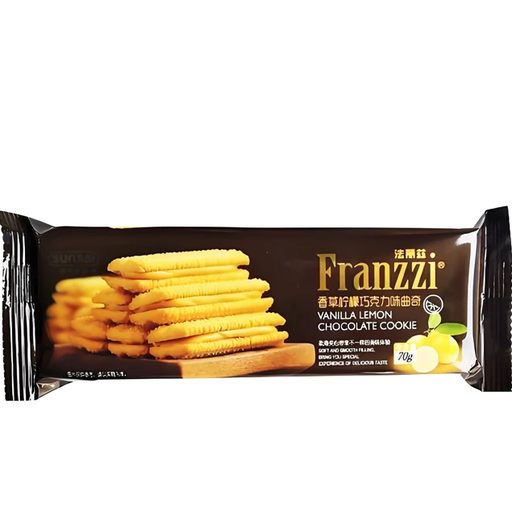
Why this product suits this profile: The 70-gram pack offers an accessible introduction to a combination of chocolate-style biscuit, vanilla and lemon.
The small pack size reduces the risk of buying a large supply of an unfamiliar flavour. Allergens such as wheat and soya are listed.
70 g net weight, a crisp sandwich structure and a clearly stated combination of chocolate, vanilla and lemon.
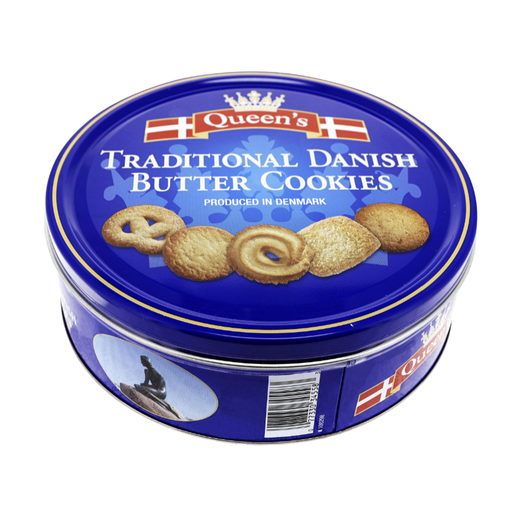
Why this product suits this profile: The 500-gram tin is ideal for shoppers looking for classic butter biscuits to share with several people or enjoy during regular tea and coffee breaks.
The ingredients list states a butter content of 26%. It also warns that the product may contain traces of nuts, peanuts and egg.
500 g pack size, crisp texture and 26% butter according to the product information.
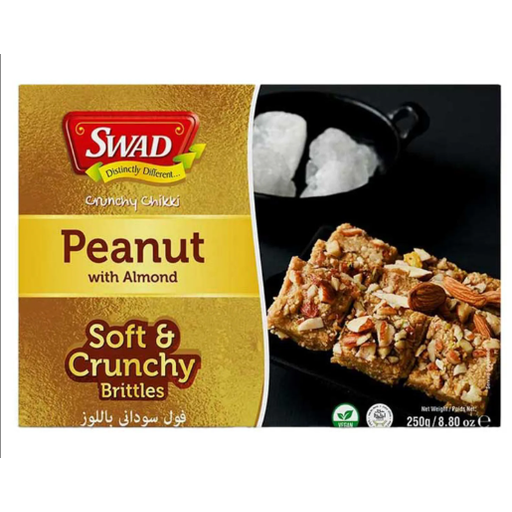
Why this product suits this profile: This pack is aimed at fans of peanut biscuits and nut-based sweet snacks, whether for the office, visitors or the cupboard.
The recipe lists 50% peanuts and 4% almond flakes. This makes it immediately clear that the product is not suitable for people with nut allergies.
250 g net weight, 50% peanuts and a recipe stated in the product information to be suitable for a vegan diet.
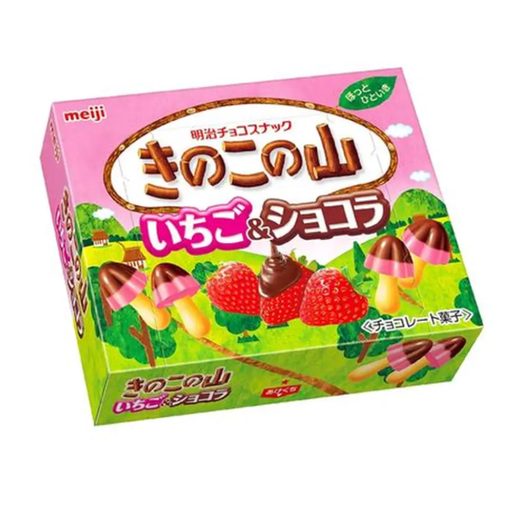
Why this product suits this profile: Its mushroom-shaped design and combination of crisp biscuit with a strawberry and chocolate coating offer an unusual take on Japanese snacks.
The product details state Japan as the country of origin and list wheat, milk, lactose and soya as relevant ingredients. This makes it easier to compare your requirements before buying.
64 g pack size, country of origin Japan and contrasting textures from biscuit and chocolate coating.
We have put together a complete, regularly updated list of products that fully meet these strict selection criteria and the safety regulations applicable in the EU.
Butter biscuits, caramel biscuits and classic Danish biscuits are often served with tea and coffee. For a fruity alternative, consider filled biscuits with lemon or strawberry. Personal preferences, ingredients and allergens remain the key considerations.
Store biscuits in a dry, cool place away from direct sunlight. Once opened, the pack should be sealed carefully or the contents transferred to an airtight container. Avoid high temperatures when biscuits have a chocolate coating.
Check the ingredients list for milk powder, whey, lactose, butter, egg and other animal-derived ingredients. A suitable product description can make choosing easier, but does not replace checking the current packaging. When traces are mentioned, it is important to distinguish between personal dietary choices and medically relevant allergies.