
Lieferung heute & morgen

Qualitätsgarantie

Willkommens-Angebote freischalten: KOSTENLOSE Lieferung | Bis zu 80 % RABATT | Kostenlose 30-Tage-JoyPlus-Testphase
App herunterladen
If you want to buy biscuits and snacks online, you will quickly find a huge selection: Japanese snacks, chocolate biscuits, biscuit sticks, wafer rolls, vegan biscuits and even protein powder with cookie dough flavour. Product images often look similar, but there can be significant differences in ingredients, pack sizes and allergens.
To avoid making the wrong choice when shopping in Germany, it is worth looking out for three common pitfalls:
Ingredients are listed in descending order by weight. For biscuits, details such as sugar, wheat flour, palm oil, cocoa mass and milk ingredients are therefore particularly relevant. For allergy sufferers, the highlighted allergens are essential.
Typical labels to look for when choosing products include:
A product should only be selected as vegan or gluten-free if the current packaging confirms that it is suitable. Recipes can change.
Online, nutritional values are generally given per 100 g. This makes it possible to compare small snack packs with larger biscuit boxes. For confectionery, energy, fat, saturates, carbohydrates, sugars and salt are particularly relevant.
For example, according to the product information, YBC Picola Custard Flavor Biscuit Sticks contain 486 kcal and 38.5 g of sugar per 100 g. Oreo Golden Vanilla Sandwich Cookies are listed as containing 484 kcal and 33 g of sugar per 100 g. These figures refer not to the entire pack, but to the standardised comparison quantity.
For protein powder, the protein content per serving is also important. According to the product description, Nutri+ 6K Protein Powder Vegan Cookie Dough provides 21 g of protein per 30-g serving. Nutri+ 3K Protein Powder Vegan Cookies & Cream lists 23 g per serving. The products are classified as food supplements and are not a substitute for a balanced, varied diet.
The product format affects when a snack is most suitable:
Storage also affects quality. Unopened biscuits and wafer rolls should be kept in a cool, dry place away from direct sunlight. Once opened, an airtight container can help preserve their crispness for longer. The best-before date is shown on the relevant packaging.
The following recommendations categorise the products by usage situation and verifiable product information.
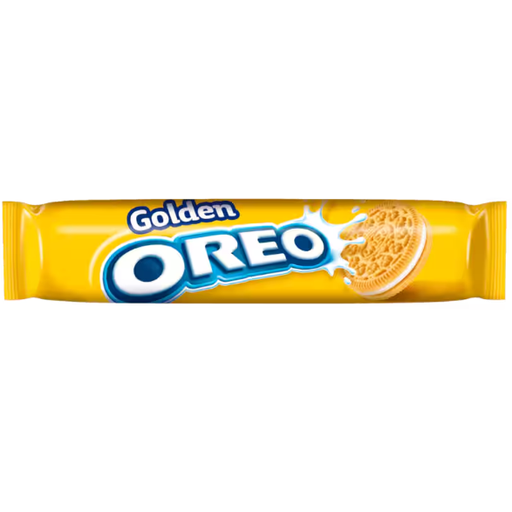
Why this product suits this profile: The 154-g pack is a straightforward choice for classic vanilla biscuits at home, with a coffee break or for sharing.
The product information lists wheat and soya as allergens, as well as possible traces of milk. This makes it possible to assess the choice objectively before buying.
Vanilla flavour, crisp biscuit texture and standardised nutritional information per 100 g.
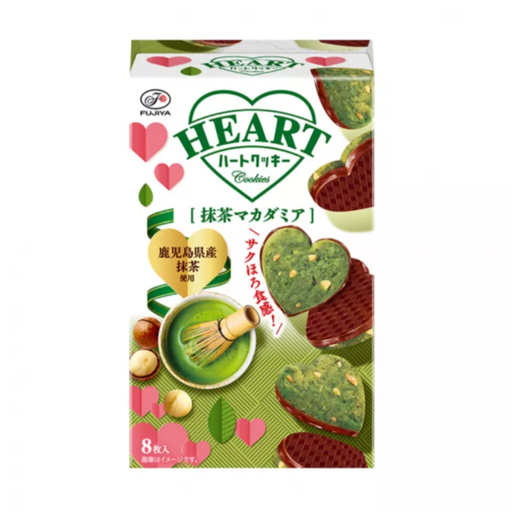
Why this product suits this profile: This Japanese biscuit combines matcha with macadamia and is aimed at shoppers looking for a distinctive flavour that differs from standard options.
The ingredients clearly identify wheat, milk, soya and macadamia. This prevents “matcha” from being mistakenly interpreted as vegan or low in allergens.
Japanese origin according to the product information, crisp texture and a combination of matcha and macadamia.
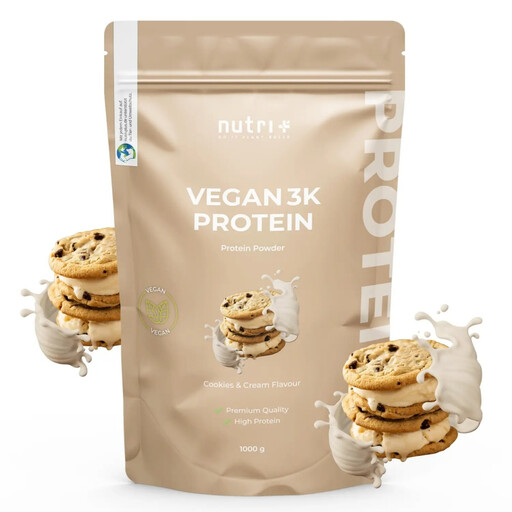
Why this product suits this profile: The 1-kg pack is aimed at sportspeople and fitness-conscious individuals who want to portion out vegan protein powder regularly.
According to the product information, the recipe contains no wheat and includes soya, pea and sunflower protein. Allergens and sweeteners should be checked before ordering.
30-g serving providing 23 g of protein according to the description; prepare with 350–400 ml of liquid.
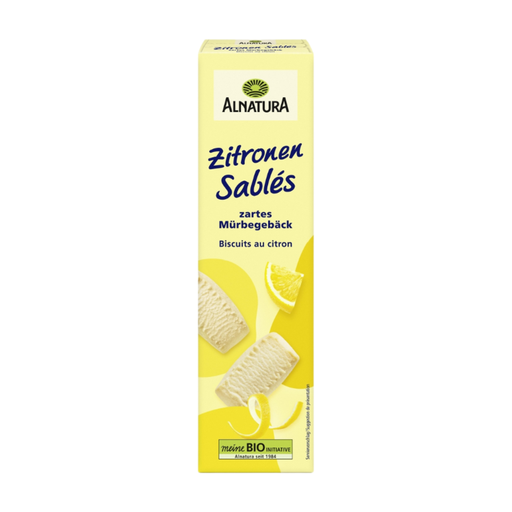
Why this product suits this profile: The product description states that it has a vegan recipe with five organically farmed ingredients and a lemon note for tea or coffee breaks.
The ingredients list wheat flour, palm oil, raw cane sugar, lemon oil and sea salt. This makes it clear that vegan does not mean gluten-free here.
Vegan recipe according to the product information, DE-ÖKO-007 organic certification and a 110-g pack.
We have put together a complete, regularly updated list of products that fully meet these strict selection criteria and the safety regulations applicable in the EU.
For fans of Japanese sweets, YBC Picola Biscuit Sticks are available in custard, chocolate and strawberry flavours, alongside matcha biscuits. The 49-g packs are close to single-serving size and easy to pack for eating on the go. According to the product information, all three varieties list wheat, milk, egg and soya as allergens.
If you prefer chocolate, you can choose Jeden Tag American Style Cookies 225 g with 25% dark chocolate pieces or Oreo Chocolate Wafer Roll 54 g. According to the ingredients list, the Oreo wafer rolls contain wheat and soya. For a vanilla option, Oreo Vanilla Wafer Rolls 54 g are available.
Gluten-free biscuits should only be selected when there is clear labelling to confirm this. Schär Gluten-Free Chocolate Chip Cookies 200 g are described as gluten-free; however, according to the product information, they may contain soya and egg. If you have an allergy, it is therefore important to check the ingredients carefully even with gluten-free products.
Only products whose recipe contains no ingredients of animal origin and whose labelling confirms this are suitable. Alnatura Lemon Sablés are described as vegan. Many Japanese biscuits, on the other hand, contain milk and egg. Even with vegan protein powder, ingredients such as soya, sweeteners and possible traces should be checked.
Unopened biscuits should be stored in a dry, cool place away from heat. Once opened, a tightly sealed container is recommended. Actual shelf life depends on the packaging, humidity and the best-before date printed on the product.
The pack price alone is not very meaningful. Compare the unit price per 100 g, the serving size and the number of individual packs. For protein powder, the price per serving and protein content per serving are also relevant. This makes it easier to assess biscuits, sweets and food supplements according to their intended use.