
Lieferung heute & morgen

Qualitätsgarantie

Willkommens-Angebote freischalten: KOSTENLOSE Lieferung | Bis zu 80 % RABATT | Kostenlose 30-Tage-JoyPlus-Testphase
App herunterladen
If you want to buy black bean sauce, you’ll find a range of products in shops that look similar but behave quite differently. Whole fermented black beans, ready-made Chinese seasoning sauce, Chinese bean paste and Korean black bean paste all differ in their ingredients, consistency, salt content and intended use.
So don’t choose solely by brand or pack size. The key is whether you’re looking for a sauce for wok dishes, fried noodles, a marinade, a dip or a Korean noodle dish.
The term can refer to fermented black beans, also known as douchi, or to a seasoned sauce. Whole beans are often chopped and used in dishes with garlic, oil or other ingredients. A ready-made sauce, on the other hand, can be added straight from the jar and is handy for quick wok dishes.
Doubanjiang isn’t necessarily black bean paste either. Traditional doubanjiang is often made with broad beans, soya beans, wheat, salt and, sometimes, chilli. For Korean dishes, look for chunjang: a dark fermented paste used for jjajangmyeon or jjajangbap.
A chilli bean sauce can be much hotter than a mild black bean and garlic sauce. Many products are also relatively high in salt. Checking the nutrition table will help you work out how much to use when cooking. If the product contains oil, check the fat content too.
800 g jars can be good value for families, catering businesses or anyone who regularly cooks wok dishes. If you only make fried noodle sauce now and then, you may need less. Once opened, follow the instructions on the label. Depending on the product, it may need to be stored in a cool place or refrigerated. Using a clean utensil to serve it will help it keep for longer.
These categories can help you make the right choice:
If you need to avoid allergens, pay particular attention to soya beans, wheat and gluten. These allergens are listed for the products mentioned here, depending on the recipe. Always check the current packaging for the most accurate information.
Nutrition information per 100 g makes it easy to compare products. Here are some examples from our selection:
These figures aren’t a measure of quality. They simply show that the products vary in concentration, so you’ll need to adjust the amount you use when cooking.
Packs of 240 to 368 g may be enough for a household. Packs of 500 g or 800 g are better suited to regular use, larger households or professional kitchens. Once opened, follow the manufacturer’s instructions for each product. These may include refrigeration, keeping the container tightly sealed and using the product promptly.
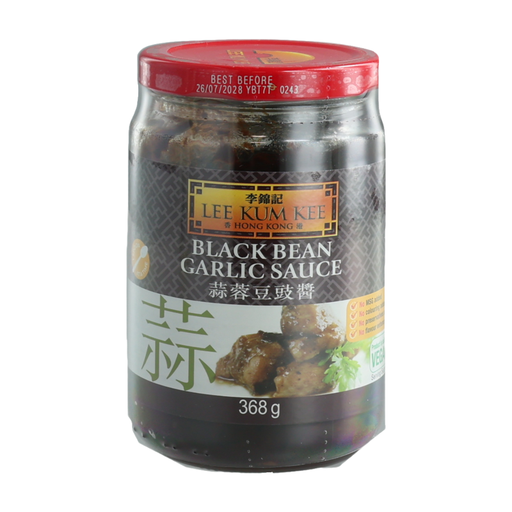
Why this product suits this profile: This ready-to-use sauce combines fermented black beans with garlic. Add it straight to wok dishes, marinades or braised dishes.
Instead of chopping whole beans and preparing garlic separately, you get a combined sauce. That means fewer extra ingredients to worry about when you’re just getting started.
368 g pack; according to the product information, versatile enough for wok dishes, steamed food and marinades; 6.75 g of salt per 100 g.
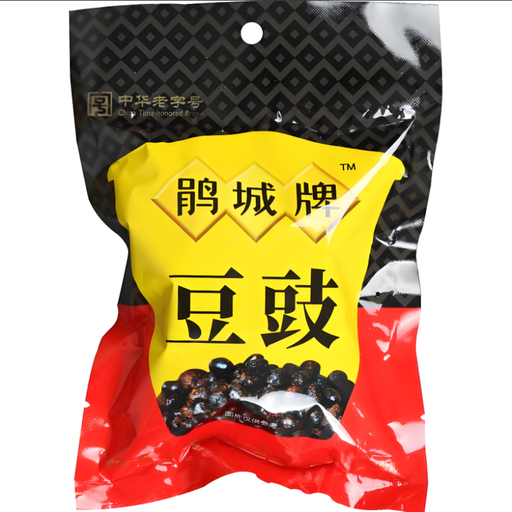
Why this product suits this profile: This pack contains fermented black beans as a standalone ingredient, giving you more control over the quantity, how finely they’re chopped and how they’re combined with other flavours.
The product is clearly labelled as fermented beans, so you won’t mistake it for a ready-made sauce that may be hotter.
Ingredients according to the product information: soya beans, salt and water; 300 g net weight; use whole or chopped with fish, vegetables and braised dishes.
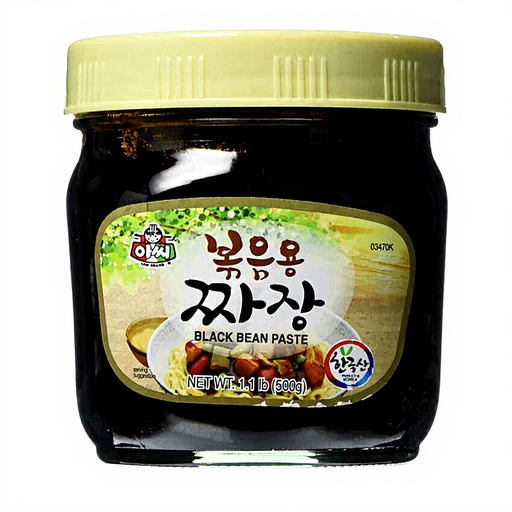
Why this product suits this profile: Chunjang is specifically made for Korean black bean noodles and rice dishes. The 500 g pack is a good choice if you prepare them regularly.
The chunjang label distinguishes this paste from Chinese douchi or doubanjiang, making it a more suitable choice for jjajangmyeon.
500 g net weight; according to the product information, fry in oil for 2 to 3 minutes before adding the other ingredients; contains wheat, barley and soya.
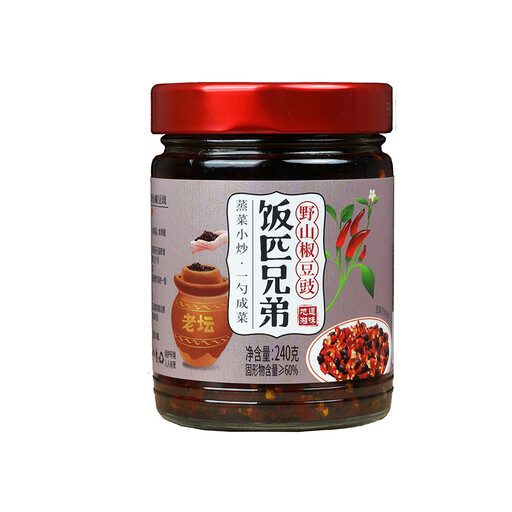
Why this product suits this profile: The combination of wild chilli and fermented black beans is ideal if you like to add heat and savoury, salty notes in small amounts.
The product description specifically mentions wild chilli and fermented beans. If you’re looking for a mild sauce, choose a different recipe.
240 g net weight; according to the product information, ready to eat and suitable as a side or seasoning for wok dishes and noodles; contains soya.
We’ve put together a complete, regularly updated list of products that meet these strict selection criteria and fully comply with the safety regulations in force in the EU.
With a ready-made sauce, a small amount is usually all you need. Heat it with vegetables, tofu, meat or noodles. Whole fermented beans can be rinsed, chopped and combined with ginger, garlic or spring onions. Many recipes call for chunjang to be fried in oil first, before adding liquid and the other ingredients.
After opening, seal the jar carefully and store it according to the instructions on the packaging. Pack size is particularly important for products that should be used soon after opening. If you have allergies, always follow the information about soya, wheat, barley and possible traces of allergens.
A ready-to-use sauce such as LEE KUM KEE Black Bean Garlic Sauce is handy for quick wok dishes. If you’d rather control the flavour and texture yourself, you can use whole fermented black beans such as JUAN CHENG.
No. Chunjang is a Korean black bean paste, used especially for jjajangmyeon and jjajangbap. Chinese bean pastes, douchi and doubanjiang have different ingredients and flavour profiles, depending on the recipe.
It depends on the product. Some products should be refrigerated after opening and used promptly, while others should initially be stored in a cool, dry place. Always refer to the label and the manufacturer’s instructions for reliable guidance.