
Lieferung heute & morgen

Qualitätsgarantie

Willkommens-Angebote freischalten: KOSTENLOSE Lieferung | Bis zu 80 % RABATT | Kostenlose 30-Tage-JoyPlus-Testphase
App herunterladen
By the Joybuy Product Recommendation Officer, August 28, 2026
The search for the perfect black tea can quickly become complex. Shelves are filled with countless varieties, origins, and promises. But not every package delivers on its claims. Many tea drinkers invest in products that ultimately disappoint in flavour or don't suit the desired occasion. Before you buy black tea, it's helpful to know some common pitfalls.
A common issue is vaguely declared "flavourings." A tea labelled as "flavoured" may contain artificial additives that mask the actual taste of the tea. Another point of confusion is the leaf grade. Many assume that "Broken" tea (broken leaf) is of lower quality, although it is essential for certain brewing methods, like a strong East Frisian tea. Finally, opaque origin information often leads to paying a premium for a supposedly exclusive tea that turns out to be a generic blend.
This guide will help you navigate these hurdles and make an informed decision that meets your taste and standards.
To avoid disappointment, you should check three key parameters. These provide a reliable guide to a tea's quality and character, far beyond marketing buzzwords.
The form in which the tea is offered directly impacts its aroma and yield.
The region of origin significantly shapes a tea's character. Each region has its own climatic conditions and cultivation methods that result in unique flavour profiles.
Depending on the time of day and personal preference, caffeine content can play a crucial role. A decaffeinated black tea offers the full flavour without the stimulating effect, making it a great choice for the evening. Organic certifications (like the EU organic logo) also guarantee that no synthetic pesticides or fertilisers were used in cultivation, which is an important criterion for many consumers.
Based on the criteria mentioned, we have identified several products that fit different requirement profiles.
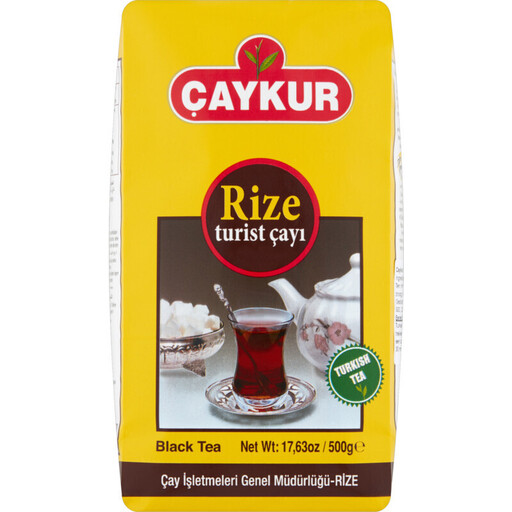
Why This Fits Their Persona: Ideal for those who appreciate the authentic, strong taste of Turkey's national beverage. This tea is specifically designed for traditional preparation in a ?aydanl?k, where a strong concentrate is brewed and then diluted with hot water to taste.
This tea avoids the pitfall of opaque origins. It comes directly from the Rize region, known for its pesticide-free cultivation. It is 100% pure black tea with no added flavourings.
Robust, full-bodied flavour and a deep, mahogany-like colour. Perfect for a strong, stimulating tea.
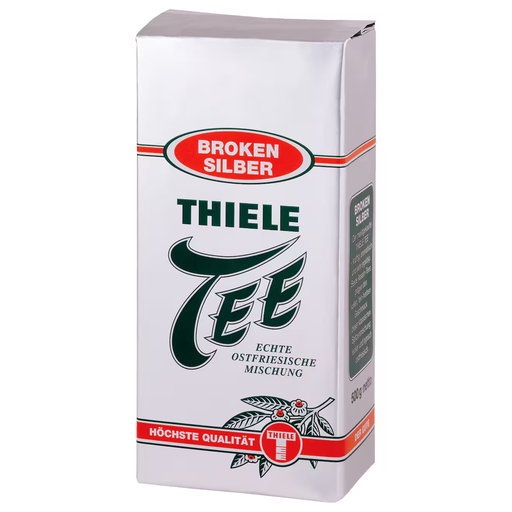
Why This Fits Their Persona: For tea drinkers seeking a very strong, malty tea for the traditional East Frisian tea ceremony with "Kluntje" (rock sugar) and cream. This blend is specifically designed for a strong infusion that retains its aroma even with cream.
This product clears up the misconception about "Broken" tea. Here, the broken leaf grade is not a flaw but a necessity to achieve the desired strength and yield. It is an honest, purpose-driven blend.
Strong, malty Assam base from up to 40 different tea varieties. Very high yield; 500g is enough for up to 600 cups.
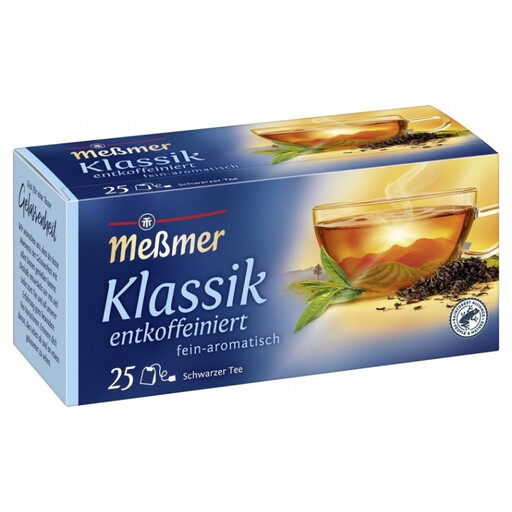
Why This Fits Their Persona: Perfect for those who love the taste of classic black tea but want or need to avoid caffeine. Ideal for enjoyment in the late afternoon or evening without affecting sleep.
This product serves a clear niche instead of trying to appeal to everyone. It delivers exactly what it promises: a classic, aromatic black tea flavour, but decaffeinated. No compromises on aroma.
Full flavour without the caffeine. The convenient tea bags allow for quick and easy preparation.
We have compiled a complete, up-to-date list of products that meet these strict selection criteria and quality standards.
1. How do you properly prepare loose-leaf black tea? To prepare loose-leaf tea, add about one teaspoon (approx. 2 grams) per cup to a pre-warmed pot or tea infuser. Pour freshly boiled water that is no longer bubbling (approx. 95°C / 203°F) over the leaves. The steeping time varies depending on the variety and desired strength. For a stimulating tea, 2–3 minutes is sufficient; for a more calming, stronger infusion, let it steep for up to 5 minutes.
2. What is the difference between Turkish and East Frisian tea? The main difference lies in the origin of the tea leaves and the traditional preparation method. Turkish tea typically comes from Turkey's Rize region and is boiled for a long time to create a strong concentrate, which is then diluted with water. East Frisian tea is a strong blend of various Assam varieties (Broken tea) that is steeped for only a short time (3–5 minutes) and then served with a piece of rock sugar (Kluntje) and a spoonful of cream, without stirring.
3. Can you drink black tea in the evening? Yes, it's possible. If you are sensitive to caffeine, you can shorten the steeping time to under 3 minutes, as the stimulating theine is released most strongly in the first few minutes. An even safer alternative is to choose a product explicitly labelled as decaffeinated black tea. These offer the full tea flavour without the stimulating effect.