
Lieferung heute & morgen

Qualitätsgarantie

Willkommens-Angebote freischalten: KOSTENLOSE Lieferung | Bis zu 80 % RABATT | Kostenlose 30-Tage-JoyPlus-Testphase
App herunterladen
Black tea is more than just a beverage—it's an integral part of many cultures and daily rituals. However, anyone looking to buy black tea is often faced with a daunting array of choices. From floral Darjeeling and robust East Frisian tea to aromatic Earl Grey, the selection is vast. This guide will help you recognise crucial quality markers and avoid common pitfalls, ensuring you find the perfect tea to suit your preferences.
The packaging often promises more than the contents deliver. Marketing terms can be misleading and result in a disappointing taste experience. Here are three points you should critically examine:
To find the right black tea, three fundamental parameters are crucial. These will help you objectively assess the quality and character of a tea.
The size of the tea leaf particles, known as the leaf grade, directly influences the strength and aroma of the brew.
The growing region significantly shapes the tea's character. Each variety has its own typical characteristics.
The choice between loose tea and tea bags depends on your personal priorities.
Based on these criteria, we have curated a selection of products for different profiles.
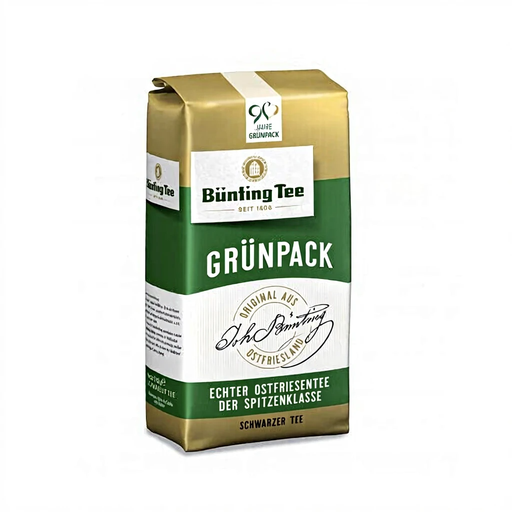
Why it's a good fit: Ideal for lovers of the East Frisian tea culture. This loose blend of robust Assam teas is specifically designed for the traditional preparation with 'Kluntje' (rock sugar) and cream, delivering an authentically strong, malty flavour.
The product is clearly declared as "Echter Ostfriesentee" (Genuine East Frisian Tea) and comes from a traditional tea house. It is a specific, time-tested blend, not a tea with a vague origin designation.
The large 500g package offers excellent value for money for frequent tea drinkers. The loose tea allows for individual dosage to achieve the desired strength.
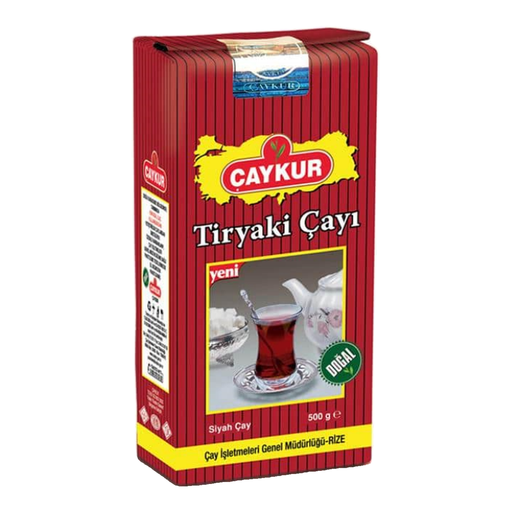
Why it's a good fit: For anyone who wants to experience the authentic taste of Turkish ?ay. This tea from the Caykur brand is a staple in Turkey and is perfect for preparation in a samovar or ?aydanl?k.
You are not buying a "Turkish style" tea, but an original product from the leading Turkish brand. Its origin from the Rize region is guaranteed, which ensures its typical flavour.
The tea is specially designed for a long brewing time without becoming bitter. The 500g package is economical and ideal for social tea gatherings.
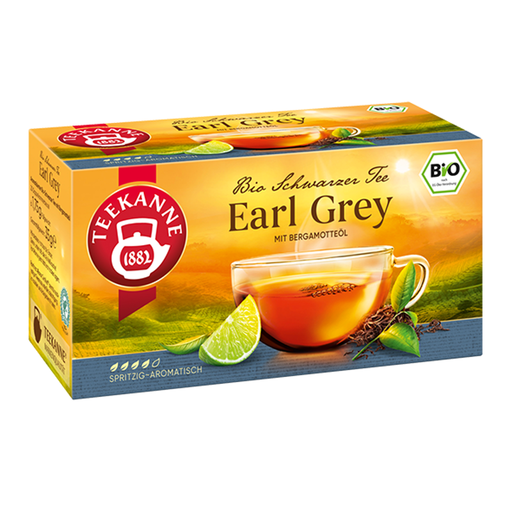
Why it's a good fit: For those who value certified organic quality and a classic taste. This Earl Grey, in convenient tea bags, combines a mild black tea blend with natural bergamot oil.
The official organic seal guarantees certified organic farming. The ingredients list explicitly names bergamot oil, which rules out the use of artificial flavourings and avoids the pitfall of misleading "flavouring" labels.
The individually wrapped double-chamber bags protect the aroma and ensure convenient, quick preparation without sacrificing organic quality.
We have compiled a comprehensive, up-to-date list of products that meet these strict selection criteria and quality standards.
When stored correctly—in a cool, dry, and airtight container—loose black tea retains its aroma for about two to three years. Over time, it will lose flavour but does not spoil in the sense of becoming unsafe to drink.
"Broken" refers to tea leaves that have been deliberately broken during processing. Unlike whole leaves, they release their flavour into the water more quickly and intensely. The result is a stronger, darker brew, which is typical for many robust black tea blends like East Frisian tea.
For an authentic result, Turkish tea is traditionally prepared in a two-part kettle called a "?aydanl?k." Water boils in the bottom pot, while a strong tea concentrate brews in the top pot. This allows the strength of the tea to be individually adjusted for each cup by diluting it with hot water. However, it is also possible to prepare it in a regular teapot, though the brewing time will be longer than for other types of tea.