
Lieferung heute & morgen

Qualitätsgarantie

Willkommens-Angebote freischalten: KOSTENLOSE Lieferung | Bis zu 80 % RABATT | Kostenlose 30-Tage-JoyPlus-Testphase
App herunterladen
Board games bring families, friends and generations together around the table. The range extends from board games and card games to dice games, strategy games and compact travel games. However, this very variety can make buying one overwhelming: an attractive cover says little about gameplay, space requirements or the right age group.
If you're looking to buy board games, you shouldn't just rely on well-known brands or marketing claims. What really matters are clear, verifiable details such as number of players, playing time, age rating, materials and the actual intended use.
Many games are advertised as "for the whole family" but only work properly with three or four people. Others are designed exclusively for two players. So check before you buy:
For a regular games night with a changing line-up, games for 2 to 6 players are often more flexible than games designed purely for two.
The age rating doesn't just describe safety; it also indicates the likely complexity of the rules. A game for ages 8 and up may require strategic planning, reading or sustained concentration. With children's games for ages 6 and up, simple mechanics and short rounds are often more important than a big game box.
You also need to pay attention to safety warnings. If board games contain small parts, they are generally not suitable for children under 3. The specific age stated on the packaging and product page remains the deciding factor.
A short explanation can be combined with a longer playing time. If you're looking for a game for travel, a short break or younger children, you should compare the approximate playing time and set-up. For a longer games night, on the other hand, more substantial board games or strategy games can be a better choice.
Pay attention to the difference between cooperative and competitive games. In cooperative games, everyone works together towards a common goal. This can be appealing for families who want to avoid conflict through direct competition. Competitive games, on the other hand, offer personal objectives, points or tactical decisions.
Also read the "from 1 player" note carefully. A solo game serves a different purpose than a classic family game for several people.
For families with children, a graduated difficulty level is practical. Two difficulty levels, short rule sections or an optional app-based explanation can make it easier to get started. With board games for ages 8 and up, parents should check whether the language, numeracy and attention span suit the particular group.
Also, base your choice on realistic time estimates:
Card games made of paper or cardboard need a dry storage place. Boards, playing pieces and plastic parts should be fully packed away in the original box after each round. For travel games, compact dimensions and secure storage are more important than an especially large game board.
Also check the product dimensions before you buy. A large box needs enough storage space at home and a suitable playing surface.
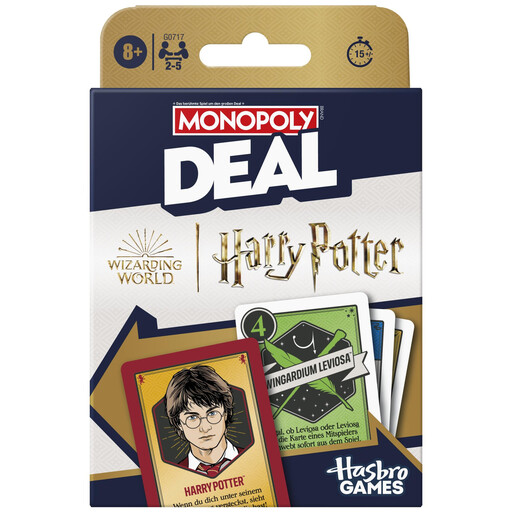
Why this product fits the profile: This German-language card game is designed for 2 to 5 players aged 8 and up and takes around 15 minutes per round according to the product details.
The number of players, age rating, number of cards and approximate duration are all clearly stated. This makes it easier to assess its suitability before buying.
111 cards, German instructions, no set-up required and a compact format for short game rounds.
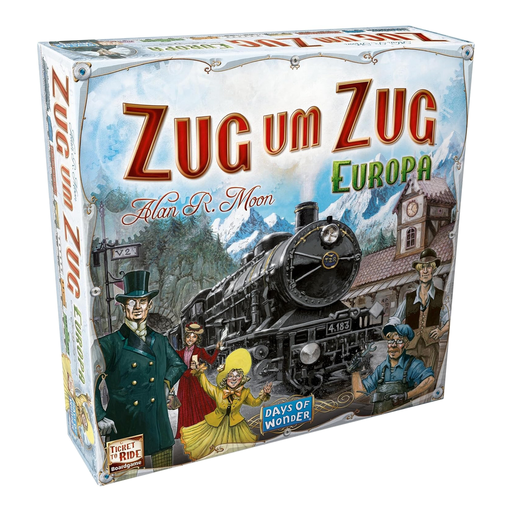
Why this product fits the profile: This board game combines a clear introduction with route planning across a map of Europe and is designed for 2 to 5 players aged 8 and up.
The details state the number of players, age, materials and an approximate playing time of 45 minutes or more. This makes the space and time requirements clear.
Game board with 250 pieces, 2 to 5 players and rules that, according to the product description, can be grasped in around five minutes.

Why this product fits the profile: This cooperative strategy game is designed exclusively for 2 players aged 10 and up and features 21 airport scenarios.
The limited number of players is clearly stated. Buyers therefore don't expect a group game, but a dedicated two-player experience with multiple scenarios.
Cooperative dice-based gameplay, 21 missions, no batteries required and a box size of approximately 25.7 × 18.6 × 5.3 cm.
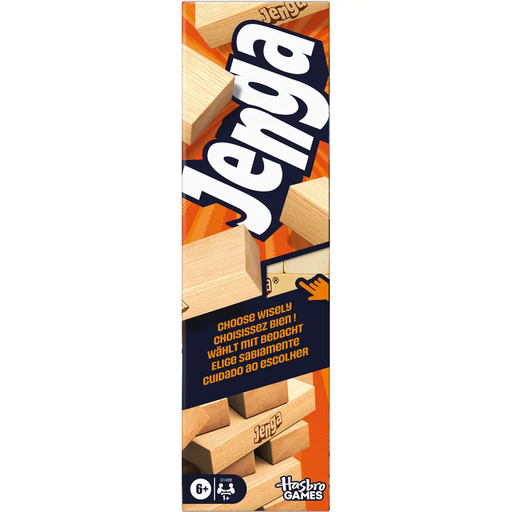
Why this product fits the profile: This skill game is suitable for ages 6 and up and can be played with one or more people.
The game principle is immediately clear: wooden or plastic blocks are removed and placed on top. The digital dice component adds six clearly described variations.
Compact box, stacking aid for set-up and storage, and a weight of approximately 928 g according to the product details.
We've put together a complete, regularly updated list of products that fully meet these strict selection criteria and the safety regulations in force in the EU.
For gift ideas for children and adults, age, theme and complexity are particularly important. A compact card game is ideal for travel or spontaneous rounds. A larger board game is better suited to families who regularly plan a fixed games night.
Before ordering, it's a good idea to do a final check on language, contents, number of players, age rating and product dimensions. This way, you can avoid a game that sounds interesting but doesn't suit your planned group.
There's no fixed number required. A small selection of one short card game, one family game for several people and one more challenging board game is practical. This way, the group can decide based on time, age and the number of participants.
Games with short rules, straightforward mechanics and an age rating of 6 and up are suitable. Jenga, simple dice games or child-friendly board games can be good options. Small parts must be kept out of the reach of younger children.
The lifespan depends mainly on the materials, how often they're used and how they're stored. Cards and game boards should be kept dry, clean and out of direct sunlight. If all pieces are fully packed away in the original box after playing, you can reduce loss and damage in everyday use.