
Lieferung heute & morgen

Qualitätsgarantie

Willkommens-Angebote freischalten: KOSTENLOSE Lieferung | Bis zu 80 % RABATT | Kostenlose 30-Tage-JoyPlus-Testphase
App herunterladen
If you’re looking to buy board games, you’ll find a huge selection online: family games, strategy games, party games, card games and cooperative games all differ in age suitability, player numbers, playing time and rule complexity. But eye-catching packaging or a familiar name doesn’t necessarily mean a game will be right for your next game night.
A game designed for two players won’t automatically work with five or six. Some games only really shine with a particular group size. Before buying, check the details on the product page:
A cooperative game for two can be ideal for couples, while a party game may need a larger group. Flexible player numbers are often more practical for families with children.
Age guidance isn’t just a marketing detail. It takes into account how well children need to understand the rules, small parts and the level of difficulty. Games for children aged 8 and over can vary considerably: a themed game with lots of rules may be more challenging for some children than a simple card game.
For products with small playing pieces, bear in mind that they’re not suitable for children under three. Check the safety and age guidance on the packaging before buying and before playing for the first time.
With international editions, the language of the cards or instructions may differ from the version you expect. For example, the product details available for UNO Card Game list English as the language. If you’re looking for a German-language edition, check this before ordering.
Digital requirements can matter too. Some escape room or party games offer an optional app, but you’ll need a smartphone and possibly an internet connection to use it. For expansions, such as a Harry Potter game, check whether you also need the base game.
First, think about who’ll be playing regularly:
With family games such as Ticket to Ride: Europe or Azul, accessible rules and tactical decisions take centre stage. Cooperative games such as Sky Team or EXIT, on the other hand, focus on planning and communication or solving puzzles together.
Card games take up little storage space, while board games with lots of tokens need a practical way to keep everything organised. Built-in compartments or boxes can be useful, as long as they’re specifically listed as included. Store paper and cardboard components in a dry place and clean them with a dry cloth only.
Before buying, it’s worth checking:
The stated playing time is a guide. Set-up, explaining the rules and the number of players can all make a game take longer. Card games or simple family games are often a good choice for a short game night. For longer sessions, consider strategy games with a playing time of around 45 minutes or more.
For escape room games, also check whether the materials are permanently altered or written on during play. This can limit how many times some editions can be played. Family editions with several adventures may offer a different experience from a game with a single scenario.
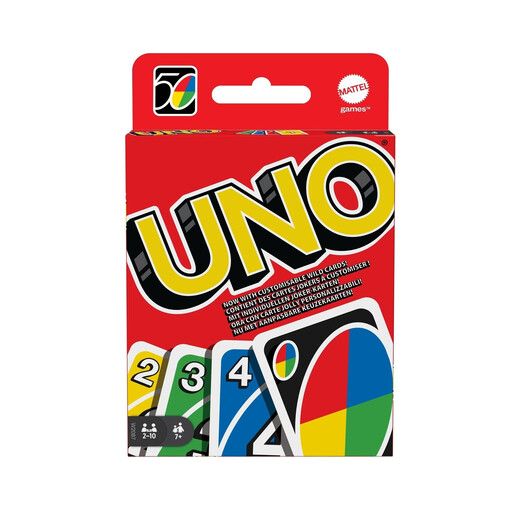
Why this product suits this profile: This card game is designed for 2 to 10 players aged 7 and over, and is easy to bring out for family or party games without needing much space. The product details available list English as the language.
The player count and minimum age are clearly stated. However, check that the language edition is the one you want before buying.
112 cards, special cards such as Skip and Reverse, plus customisable Wild cards.
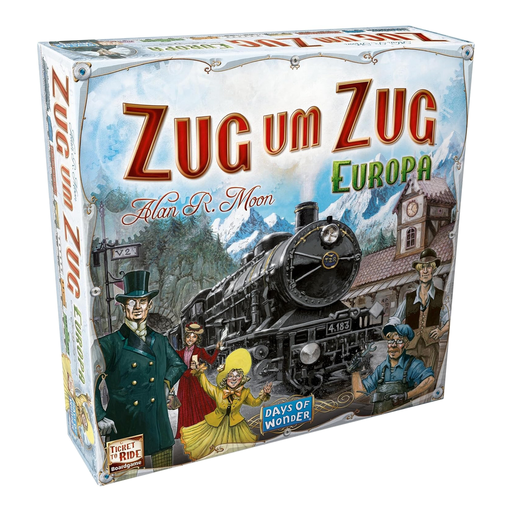
Why this product suits this profile: This family game for 2 to 5 players aged 8 and over offers an accessible introduction to route planning and tactical decisions.
The player count, age guidance and stated playing time of around 45 minutes or more help you plan your game night realistically.
Build routes between European cities, complete destination tickets and, according to the product description, learn the rules in a short time.

Why this product suits this profile: This cooperative strategy game is designed for exactly two players aged 10 and over, with several airport missions offering different challenges.
The fixed player count avoids any confusion about whether it’s suitable for a large family gathering. Its cooperative format makes the aim of the game clear before you buy.
21 scenarios, secret dice placement and an objective that calls for teamwork and coordination.
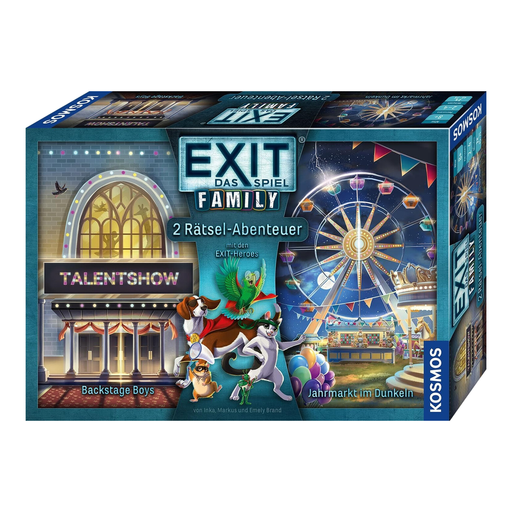
Why this product suits this profile: With two puzzle adventures for 2 to 4 players aged 8 and over, it’s a good choice for families who enjoy solving riddles and logical challenges together.
The recommended age, group size and number of adventures are all clearly stated. Small parts mean you’ll need to follow the safety guidance.
Two scenarios in one box, plus an optional KOSMOS app to help you get started.
We’ve put together a complete, regularly updated list of products that meet these strict selection criteria and fully comply with the safety regulations in force in the EU.
It depends on the ages of the players, the group size and how long you’d like to play. Card games such as UNO are handy for larger groups. Families with children aged 8 and over could also choose Ticket to Ride: Europe, Azul or an age-appropriate EXIT game. Check the language and complexity of the rules before buying.
With dry storage, careful handling and all the components kept together, board games can last for a long time. Keep cards and cardboard components away from liquids. Games with one-use puzzles can only be played a limited number of times; this should be mentioned in the product description.
Many board and card games don’t need batteries. However, smartphone apps, streaming services or expansions may involve extra costs. If a game connects to an app, check whether you’ll need a user account, an internet connection or a particular service.