
Lieferung heute & morgen

Qualitätsgarantie

Willkommens-Angebote freischalten: KOSTENLOSE Lieferung | Bis zu 80 % RABATT | Kostenlose 30-Tage-JoyPlus-Testphase
App herunterladen
A bronzer can add warmth to your face, define your contours or create a sun-kissed complexion. The options range from classic bronzing powder to creamy-powdery textures and the blonzer, which combines bronzer and blush. However, this wide variety can quickly lead to the wrong purchase.
A bronzer should add warmth, not look like a noticeably different colour to your face. Warm shades with golden or reddish undertones can appear orange on cool skin tones. Conversely, a too-cool contour powder can look grey when applied over a larger area.
This breakdown can help:
The colour name alone isn’t always enough. Product images can vary depending on your screen. If possible, assess the shade in daylight and check it at the transition zone between your face and neck.
A shimmer bronzer reflects light and works well on the cheekbones, forehead and bridge of the nose. Under the cheekbones or along the jawline, visible glitter can look messy. For precise definition, a matte bronzer with a neutral undertone is usually easier to control.
Important: bronzer and contour powder serve different purposes. Bronzer mimics warmth, while contour powder creates shadow. One product can cover both functions, but it must be finely buildable enough to do so.
Some products list a sun protection factor. For example, the Rimmel London Natural Bronzer 001 Sunlight states SPF 15. According to the product information, however, this value does not replace primary sun protection during prolonged UV exposure. A bronzer is fundamentally a make-up product, not a substitute for a separately applied sunscreen.
Terms like “nourishing”, “mineral” or “for all skin types” should also be assessed against the full INCI list. Fragrances, essential oils, talc, mica or certain preservatives may be relevant for some individuals. If you have sensitive skin, a patch test as per the pack instructions is recommended.
A natural-looking face bronzer should be buildable without creating harsh edges straight away. For daily use, a light to medium pigmentation is often easier to work with. Deeper shades can be used for stronger accents, but they require more careful blending.
A matte bronzer doesn’t automatically feel drier. What matters is the fineness of the powder, its adherence and the application technique you use. For dry skin, a creamy or creamy-powdery texture may feel more comfortable; for oily skin, a classic bronzing powder is often easier to dose and layer.
Powder products can be evenly distributed with a large, soft brush. Cream and balm textures are usually worked in with fingers, sponges or a denser brush. The e.l.f. Putty Bronzer, according to the product description, is a balm texture that transforms into a silky-matte powder finish upon application.
Checking the net weight, packaging and ingredients prevents misleading price comparisons. The product sizes in this selection range from 1.5 g for the bareMinerals All-Over Face Colour Faux Tan to 30 g for the Pupa Desert Bronzing Powder. A higher weight alone says nothing about colour choice or ease of application.
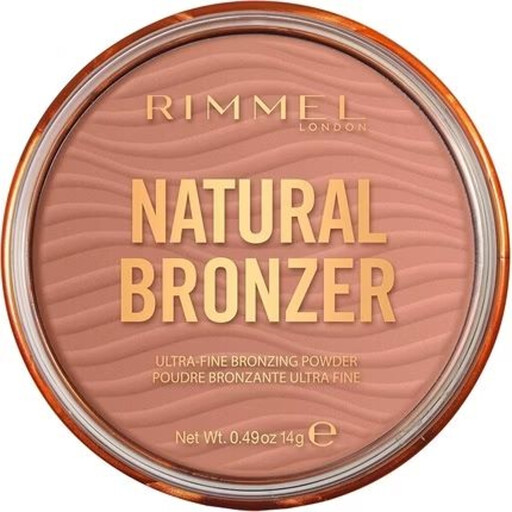
Why this product fits the profile: The classic powder format with 14 g is ideal for a straightforward start and can be applied to the forehead, cheeks, nose and jaw with a large, soft brush.
The usage instructions recommend tapping off excess powder before application and blending the colour up to the hairline and neck.
Powder texture, shade 001 Sunlight, 14 g content and, according to the product information, SPF 15; this does not replace separate sun protection.
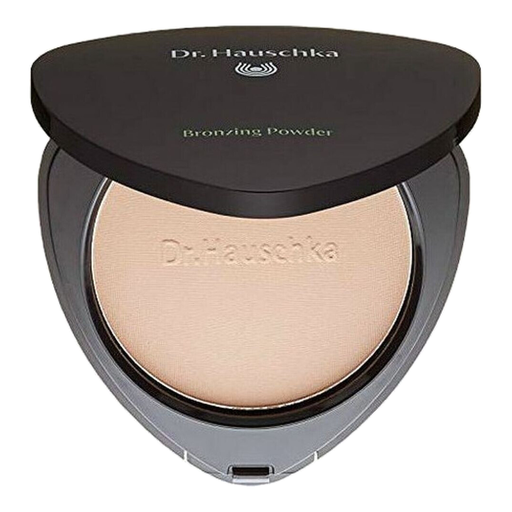
Why this product fits the profile: This product combines a light powder texture with mineral pigments and declared botanical extracts.
The product description states a light coverage. This allows you to build up the intensity gradually, rather than applying a heavy colour layer straight away.
10 g content, shade 01 Bronze, mineral pigments and, according to the product information, vegan and cruelty-free production.
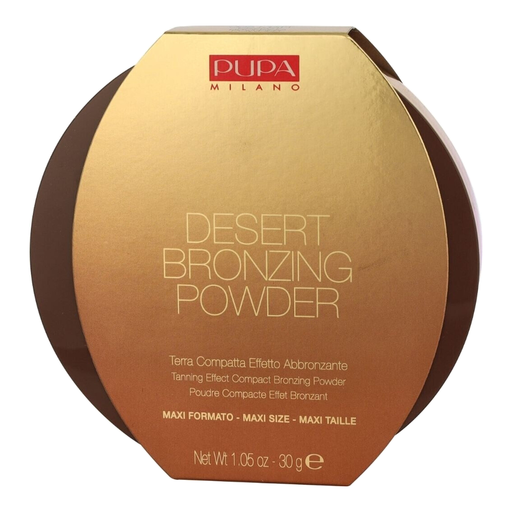
Why this product fits the profile: The comparatively large fill amount is aimed at those who regularly use bronzer on their face for targeted warmth effects.
The intensity is buildable according to the product information. Thin layers and thorough blending help avoid patchy or overly dark transitions.
30 g content, shade 002 Honey Gold, compact powder form and, according to the product description, dermatologically tested.
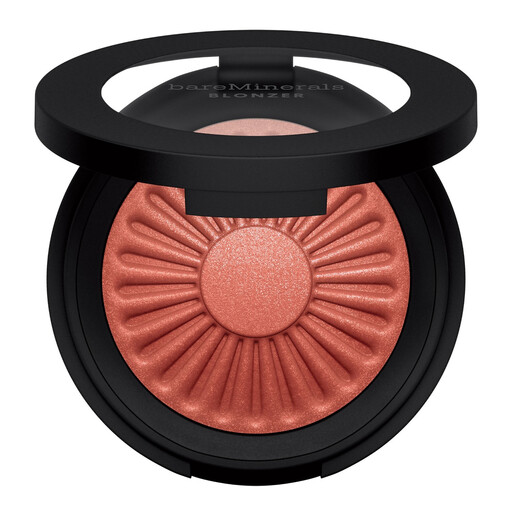
Why this product fits the profile: According to the product description, the blonzer combines blush colour and bronze tone, meaning it can complement or partially replace two separate products.
The recommended W-shaped application follows the raised areas of the face. This allows you to distribute the product precisely over the cheeks and bridge of the nose.
3.8 g content, shade Kiss of Rose and, according to the product information, a vegan and talc-free formula with a natural, radiant finish.
We have compiled a complete, regularly updated list of products that fully meet these strict selection criteria and the safety regulations in force in the EU.
A matte bronzer can also be used under the cheekbones or along the jawline. For a radiant look, use a shimmer bronzer more sparingly.
Bronzer is usually distributed across the forehead, upper cheeks, bridge of the nose and chin. For a natural effect, avoid applying it as a solid, full-coverage area. Soft transitions at the neck and hairline are important.
The best-before date on the packaging and the symbol for the period after opening are what matter. Powder products are often usable for longer than creamy textures, provided they are stored in a dry place, removed cleanly and replaced if there are any changes in smell, colour or consistency.
Bronzer adds warmth to your face and is often applied to the high points. Contour powder is usually matte and formulated to be more neutral or cool, to mimic shadows under the cheekbones, on the nose or along the jawline. A product like rom&nd Better Than Shape 02 Walnut Grain is specifically designated as a contour powder, whereas a classic bronzer is more focused on a sun-kissed complexion.