
Lieferung heute & morgen

Qualitätsgarantie

Willkommens-Angebote freischalten: KOSTENLOSE Lieferung | Bis zu 80 % RABATT | Kostenlose 30-Tage-JoyPlus-Testphase
App herunterladen
If you're planning to buy Burgundy wine, you're faced with a plethora of options. The labels can be confusing, and marketing promises don't make the selection any easier. As your Joybuy Product Recommendation Officer, I'm here to help you identify the key features and avoid common pitfalls, so you can make an informed decision.
Many buyers fall into recurring traps that lead to disappointment. Here are two of the most common problems:
To ensure you find the right wine for your taste and occasion, you should check three core parameters. These will help you objectively assess a wine's quality and character.
The Burgundy family is diverse. The two most popular white varieties in Germany are Grauburgunder and Wei?burgunder.
The region a wine comes from has a significant influence on its taste. Two of the most important areas for Burgundy wines in Germany are Rheinhessen and the Pfalz.
The choice of packaging depends on the intended use.
Here are some recommendations tailored to different needs and occasions.
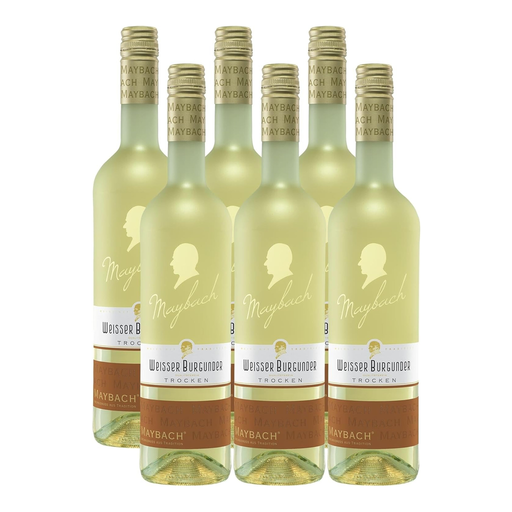
Why This Fits Their Persona: Ideal for anyone looking for a reliable and straightforward white wine for everyday enjoyment or social gatherings. The wine case offers solid value for money for stocking up.
This wine avoids the trap of vague origins. It is declared as a quality wine from Rheinhessen, offering reliable, varietally-correct quality without over-the-top promises.
A soft, fruity bouquet with aromas of pear and quince. Pairs well with light meat dishes, seafood, and salads.
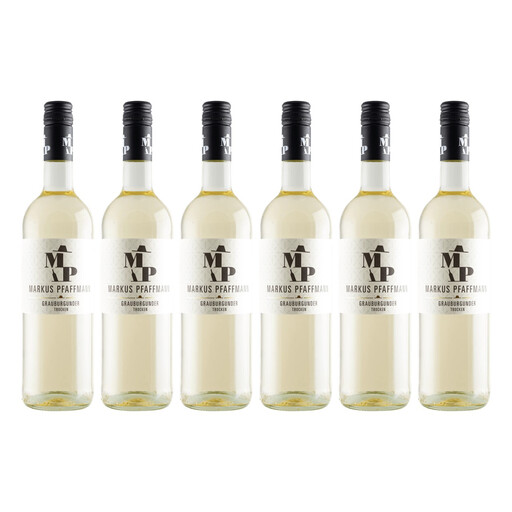
Why This Fits Their Persona: Perfect for wine drinkers who value origin, the winemaker's signature, and terroir. This wine comes from a renowned family-run winery in the Pfalz and reflects the character of the region.
This wine escapes the trap of anonymous, mass-produced products. The precise origin (Walsheim, Pfalz) and the winemaker (Markus Pfaffmann) are clearly named. The description provides concrete flavour profiles instead of vague marketing jargon.
Aromas of apple, pear, and hazelnut with a fine minerality. The wine is produced vegan, and the winery is a member of Fair’n Green for sustainable viticulture.
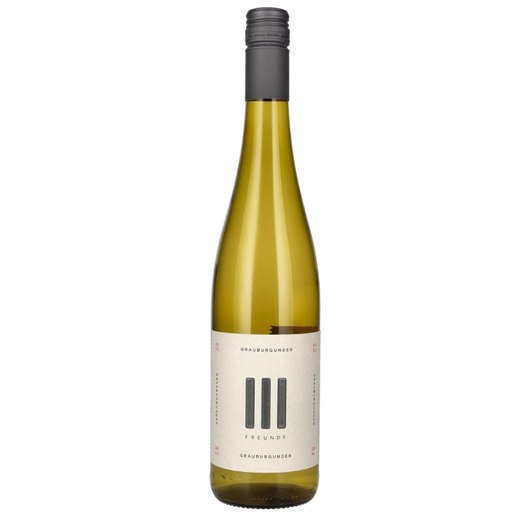
Why This Fits Their Persona: A modern, approachable wine designed for sharing with friends. Its lively character makes it an uncomplicated companion for parties, barbecues, or as an aperitif.
This wine avoids the "dry" trap through transparency. With 8.0 g/l of residual sugar, it is at the upper end for dry wines, giving it a pleasant fruitiness that appeals to many palates without being misleading.
Balanced fruitiness with notes of pear, apple, and citrus. The pleasant acidity provides a refreshing lightness. A true all-rounder.
We have compiled a complete, up-to-date list of products that fully meet these strict selection criteria and German regulations.
Although both belong to the Burgundy family, they differ significantly in their flavour profile. Wei?burgunder is typically lighter, higher in acidity, and fresher, with aromas of citrus fruits and green apples. Grauburgunder is generally more robust, fuller-bodied, and exhibits aromas of ripe pear, nuts, and sometimes exotic fruits. The choice depends on whether you are looking for a light aperitif wine (more likely Wei?burgunder) or a richer food companion (more likely Grauburgunder).
A major advantage of Bag-in-Box packaging is its extended shelf life after opening. As the inner bag collapses while you dispense the wine, it prevents air from coming into contact with the contents, thus stopping oxidation. An opened Bag-in-Box wine can easily be kept in the refrigerator for four to six weeks without any loss of quality. This makes it a very economical option for regular wine enjoyment.
Versatility is a great strength of Burgundy wines. Here are some general recommendations: