
Lieferung heute & morgen

Qualitätsgarantie

Willkommens-Angebote freischalten: KOSTENLOSE Lieferung | Bis zu 80 % RABATT | Kostenlose 30-Tage-JoyPlus-Testphase
App herunterladen
If you want to buy cereal bars online, you’ll quickly find a wide selection of oat bars, nut bars, fruit bars and protein bars. Product names often sound similar, but the bars can differ considerably in their ingredients, allergens, portion sizes and nutritional values. So whether you’re choosing a snack for the office, a workout, a hike or the family cupboard, it’s worth taking a closer look at the product details.
A bar can contain no added refined sugar and still have naturally occurring sugars, or sugars from ingredients such as dates, syrup or fruit concentrate. The nutrition table is what matters: it shows the amount of carbohydrate and sugars per 100 grams and, where provided, per bar.
Sweeteners such as maltitol are worth checking too. For example, Corny Haferkraft ZERO Peanut Butter uses maltitol syrup and oligofructose. According to the product details, it contains 1.2 grams of sugars per 100 grams. However, it isn’t gluten-free, as the oats are labelled as a gluten-containing cereal.
A high protein content may appeal to sportspeople or anyone looking for a filling snack on the go. But fat, sugar, salt, portion size and allergens should also be part of your comparison. A bar with 12 grams of protein per 50 grams is different from a small fruit bar weighing 25 or 30 grams.
According to the product details, BE-KIND Protein Dark Chocolate Raspberry contains 12 grams of protein per 50-gram bar. Peanuts, almonds and soya are also listed as allergens. So the term ‘protein bar’ is no substitute for checking the ingredients list.
These labels describe different properties:
Ingredients are listed by weight, from highest to lowest. If oats, nuts or fruit appear near the top, you can quickly get a sense of the bar’s main ingredients. For example, BE-KIND Caramel Almond & Sea Salt Nut Bar is listed as containing 64% almonds. It also contains a caramel-style coating, honey and milk powder, so it isn’t vegan.
For a fair comparison, check the values per 100 grams. Portion size is also important when planning how you’ll use the bars:
Allergens are highlighted in the product description and on the packaging. Common warnings relate to nuts, peanuts, milk, soya and gluten-containing cereals. Most bars should be stored in a cool, dry place, away from direct heat. For a multipack of cereal bars, the total weight matters too: a pack of 12 bars weighing 40 grams each contains 480 grams in total, while a pack of 15 bars weighing 25 grams each contains 375 grams.

Why this product suits this shopper: The pack of 12 bars, each weighing 50 grams, is handy for regular breaks at the office, at school or when you’re out and about. The bars are vegan and, according to the product details, contain no added sugar.
The nutrition information lists 1.2 grams of sugars per 100 grams. It also clearly identifies the gluten-containing oats and warns that the bars may contain traces of milk and nuts.
Vegan, with 12 individually wrapped bars and a total weight of 600 grams. Peanut butter and oats flavour.
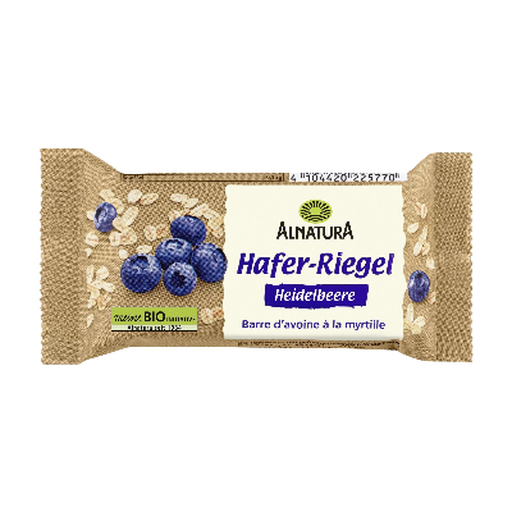
Why this product suits this shopper: This 60-gram oat bar is designed for hikes, cycle rides or a longer break at work. According to the product description, it’s vegan and made with organic ingredients.
The ingredients list includes 52% wholegrain oats and identifies them as a gluten-containing cereal. This bar therefore isn’t suitable if you’re looking for a gluten-free option.
Organic and vegan, with 52% wholegrain oats and 2% blueberries according to the ingredients list.
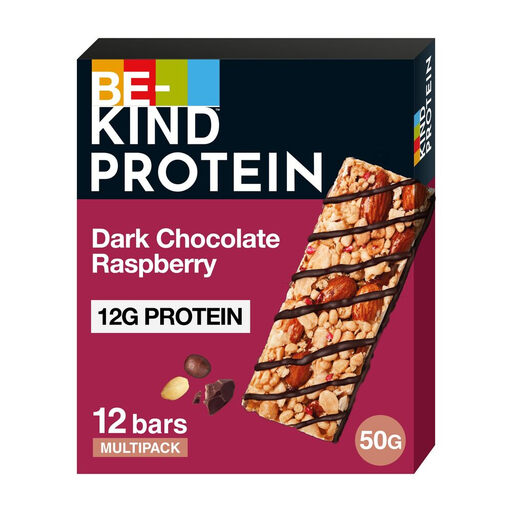
Why this product suits this shopper: This multipack is aimed at sportspeople, busy professionals and anyone who wants to plan ahead with a protein-rich snack for on the go.
The product details state that each 50-gram bar contains 12 grams of protein and list peanuts, almonds and soya as allergens. This makes it easier to assess whether the bars are suitable for you.
12 bars weighing 50 grams each, gluten-free according to the product description, with 24 grams of protein per 100 grams.
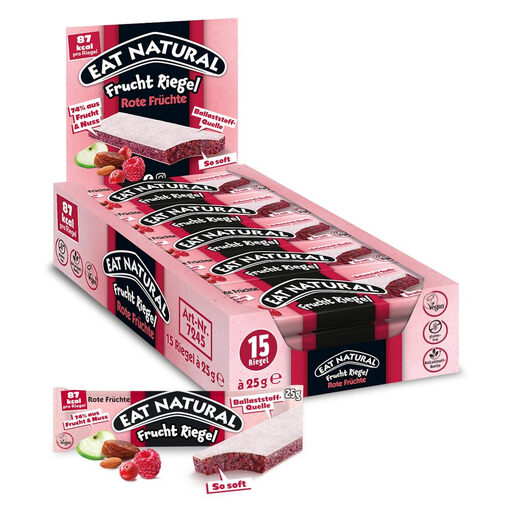
Why this product suits this shopper: Individually wrapped 25-gram fruit bars fit neatly into a bag, rucksack or lunchbox. According to the product details, they’re vegan and gluten-free.
The product description explicitly lists almonds and warns that the bars may contain traces of peanuts, soya, milk and other nuts. The fruit content isn’t presented as a sign of low sugar.
15 individually wrapped bars, 375 grams in total and 74% fruit and nuts according to the product details.
Individually wrapped bars with sturdy packaging and a clearly displayed best-before date are practical when you’re out and about. In warm weather, don’t leave chocolate-coated products in the car or direct sunlight for long periods. Bars weighing 25 to 40 grams are often enough for a short break; a larger portion may be more suitable for longer activities.
No. A vegan oat bar may contain gluten-containing cereals or traces of them. If you’re looking for gluten-free bars, check the specific labelling. Anyone with allergies should also always check the full ingredients list and any trace warnings on the current packaging.
A multipack can make shopping easier and is handy if you regularly eat cereal bars at the office, at home or as part of a sports club. It’s most worthwhile when the flavour, portion size and ingredients suit your needs. Before buying, compare the total weight, individual portions and best-before date.