
Lieferung heute & morgen

Qualitätsgarantie

Willkommens-Angebote freischalten: KOSTENLOSE Lieferung | Bis zu 80 % RABATT | Kostenlose 30-Tage-JoyPlus-Testphase
App herunterladen
If you're looking for a 0.75 l bottle of champagne for a celebration, a gift or simply to enjoy at home, you'll find plenty of well-known names and different flavour profiles online. At first glance, the selection seems straightforward, but terms like Brut, Extra Brut, Rosé and Demi-Sec actually represent significant differences. Packaging, storage and alcohol content are also worth checking before you buy.
This guide from the Joybuy Product Recommendation Officer is designed to help adult shoppers in Germany make informed comparisons when buying champagne online and avoid common mistakes.
Taittinger champagne, Pommery champagne, Moët & Chandon champagne and Veuve Clicquot champagne are all popular search terms. However, the brand name alone tells you very little about whether a cuvée is dry, fruity or on the sweeter side. What really matters are the sweetness level, the grape varieties and the ageing time.
One Brut champagne is not automatically identical in taste to another Brut. The proportion of Chardonnay and the use of Pinot Noir or Pinot Meunier also influence the profile.
The terms on the label follow defined categories. Extra Brut generally contains less residual sugar than Brut. A Demi-Sec or Sec, on the other hand, indicates a noticeably sweeter finish. If you're looking for a very dry champagne to enjoy with seafood or to accompany a dessert, be sure to check this detail before ordering.
Champagne should be stored cool, dry and away from light before opening. Strong temperature fluctuations and direct sunlight can affect the storage conditions. After opening, a suitable champagne stopper will help keep the fizz for longer. The specific drinking windows given by the producers for the products featured here are usually between 24 hours and three days.
French champagne is typically made from Chardonnay, Pinot Noir and Pinot Meunier. Chardonnay is often associated with freshness and floral notes, while Pinot Noir and Pinot Meunier can add more body and fruit. This is a general guide, not a guarantee of a specific taste.
The length of ageing on the lees is also a useful point of comparison. For example, the Pommery Brut Royal is aged for 36 months on the lees. The Irroy Extra Brut is matured for at least 30 months in the bottle, according to the product information. Such details can give you clues about the style, but they don't replace your own personal preference.
The standard 0.75 l size is perfect for an evening at home or a small gathering. Depending on how much you pour, one bottle will serve several glasses. For larger events, it's worth comparing single bottles with multi-packs.
Among the products we've selected, the alcohol content is mostly 12.0 to 12.5% ABV. Champagne also typically contains sulphites, which must be listed as an allergen. Always check the product details before buying, especially if you have any known intolerances. Alcoholic drinks are intended for adults only and are not suitable for pregnant women.
Why this product fits the profile: The classic Brut style makes it an accessible entry point for aperitifs and a wide range of dishes.
The Brut sweetness level is clearly stated; the grape varieties and an ageing period of 36 months are also listed.
0.75 l content, 12.5% ABV, gift box included and a recommended serving temperature of 6–10 °C.
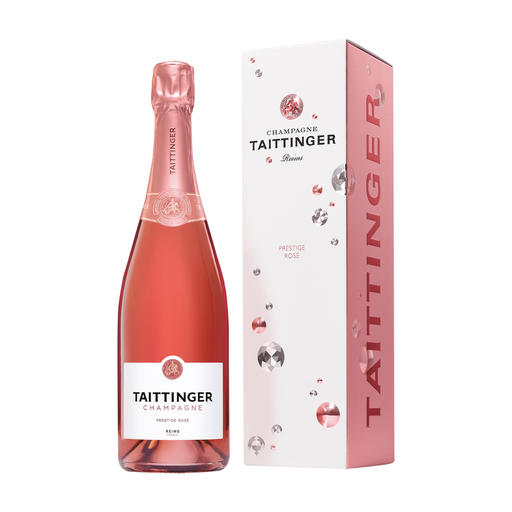
Why this product fits the profile: The Rosé style with its intense colour and fresh, fruity profile is ideal for festive dinners and makes a wonderful champagne gift.
The colour, alcohol content of 12.5% ABV, natural cork and sulphite warning are all clearly stated in the product details.
French champagne from the Champagne region, 0.75 l content and a recommended serving temperature of 8–10 °C.
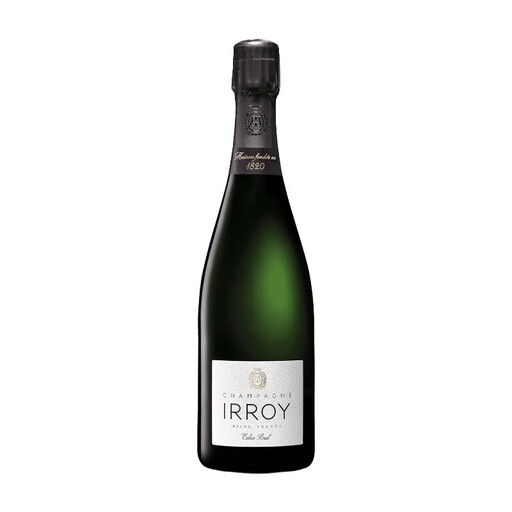
Why this product fits the profile: The dry style is designed for aperitifs, seafood, grilled fish and light dishes.
The Extra Brut label clearly distinguishes it from sweeter options; 30 months of bottle ageing is also stated.
70% Pinot Noir and Pinot Meunier, 30% Chardonnay, 12.5% ABV and 0.75 l content.
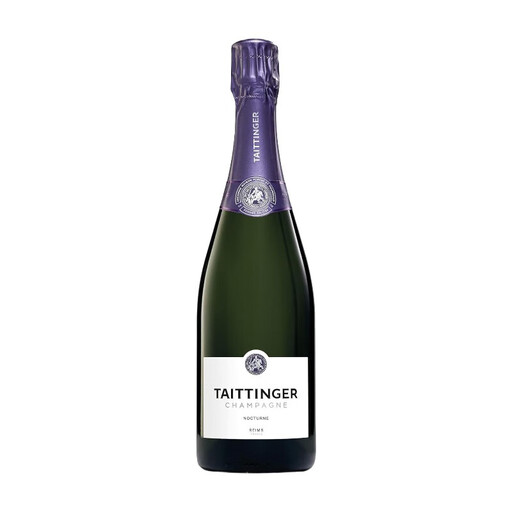
Why this product fits the profile: The Sec category and the described notes of yellow fruits and candied citrus make it ideal for guests who prefer a little more residual sweetness.
The Sec sweetness level is explicitly stated, preventing a sweeter cuvée from being accidentally ordered as a Brut.
0.75 l bottle, 12.5% ABV, fine bubbles and great pairings with poultry or creamy desserts.
We've put together a full, regularly updated list of products that meet these strict selection criteria and all applicable EU safety regulations.
Most of the products mentioned are best served at 6–10 °C. A slow chill in the fridge is preferable to a rapid temperature drop. When opening, hold the cork firmly, as the pressure in the bottle can push it out. After pouring, use a suitable stopper and store the bottle in the fridge.
If you're buying champagne for a special occasion, it's also worth checking whether a gift box is included. The Pommery Brut Royal comes with a gift box, while the Taittinger Prestige Rosé is also available as a set with two champagne glasses. These extras are relevant if you're giving champagne as a gift, but they don't tell you anything about the taste.
It depends on the size of the glass and how much you pour. With standard serving sizes, a 0.75 l bottle will fill several glasses. For a party, think about whether the champagne is just for a toast or will be served over several courses.
With a champagne stopper and chilled storage, it should be drunk within 24 hours to three days, according to the producers' guidelines. Without a stopper, it will lose its fizz much faster. Always follow the specific product description.
That depends on the recipient's taste. Brut is often more versatile and pairs well with a variety of foods. Extra Brut is better suited to people who prefer dry, mineral-driven cuvées. If you're unsure about their preferences, the product description, sweetness level and a gift box can help you decide.