
Lieferung heute & morgen

Qualitätsgarantie

Willkommens-Angebote freischalten: KOSTENLOSE Lieferung | Bis zu 80 % RABATT | Kostenlose 30-Tage-JoyPlus-Testphase
App herunterladen
When you want to buy champagne, you're often faced with a shelf full of prestigious names and various labels. Choosing the right bottle, whether as a gift or for a special occasion, can quickly become overwhelming. Marketing buzzwords and a high price tag are not always a guarantee of quality. This guide will help you identify the key characteristics and make an informed choice that perfectly suits your taste and occasion.
Before we dive into the details, let's clear up two common misconceptions that often lead to a poor choice:
To find the right bottle, it's helpful to understand three fundamental parameters. These define the character of every champagne and help you filter choices according to your taste when ordering champagne online.
The dosage refers to the amount of sugar added to the champagne after the second fermentation. It determines the final sweetness level and is indicated on the label. Here are the most common categories:
Champagne is primarily made from three grape varieties, and their blend (assemblage) significantly shapes its style:
Here are a few recommendations tailored to different profiles and occasions.
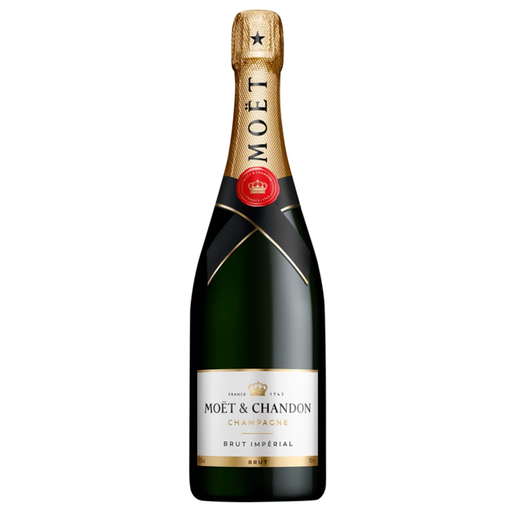
Why This Fits Their Persona: This champagne is a globally recognised classic and a safe choice for celebrations or as a prestigious gift. Its balanced style appeals to a broad audience.
As a classic Brut Champagne, it is dry and balanced, thus avoiding the sweetness trap. It represents the consistent style of the house of Mo?t & Chandon and delivers reliable quality.
A harmonious blend of the three main grape varieties, which provides a vibrant fruitiness and an elegant maturity. Versatile as an aperitif or as a food pairing.
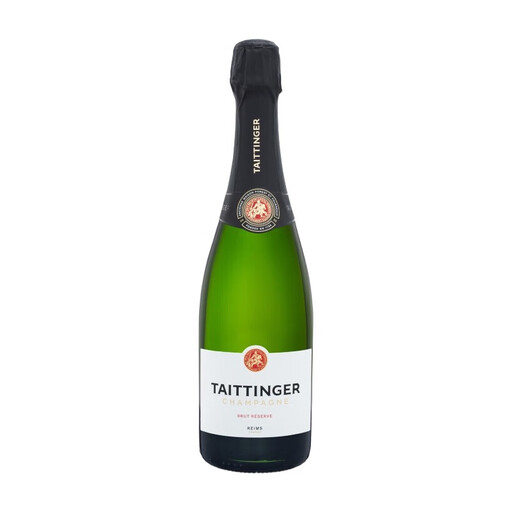
Why This Fits Their Persona: Ideal for connoisseurs who prefer a light, fresh, and elegant style. Taittinger Champagne is known for its Chardonnay-driven character, which combines finesse and complexity.
This champagne bypasses the brand myth by offering a very specific and esteemed style, rather than relying solely on a famous name. The choice here is based on the taste profile, not just marketing.
A high Chardonnay content of 40% and an ageing period of 3–4 years give it intense aromas of peach, brioche, and vanilla. The fine bubbles create an elegant mouthfeel.
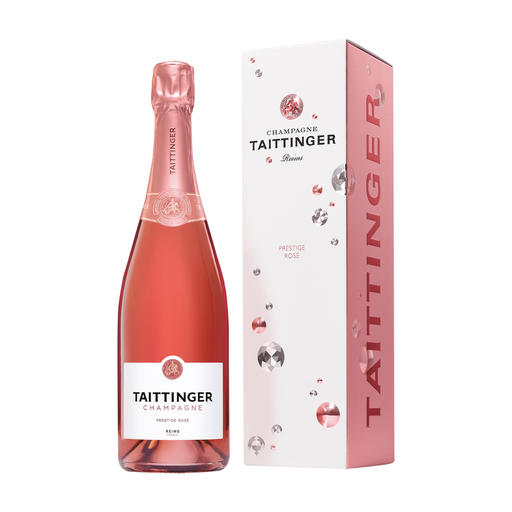
Why This Fits Their Persona: For anyone specifically seeking a high-quality Rosé Champagne. It offers an intense, fruity taste experience and is excellent as an aperitif or a companion to fruit-based desserts.
This champagne is a deliberate choice for a specific style. It is a Rosé d'Assemblage, where a small amount of red wine is added to the white wine, ensuring consistent quality and an expressive aromatic profile.
The blend ensures a vibrant, fruity, and fresh character. On the palate, it shows an elegant balance between silky and full-bodied notes.
Champagne should be stored in a cool, dark place with a constant temperature (ideally 10–12 °C or 50–54 °F). The bottles should be stored lying down to keep the cork moist and prevent it from drying out. Avoid temperature fluctuations and direct sunlight.
"Brut" is the most common style of champagne and means that it is dry. According to regulations, a Brut Champagne can have a residual sugar content of up to 12 grams per litre. This creates a balanced flavour profile that is neither too harsh nor too sweet, making it very versatile.
An opened bottle of champagne should be resealed with a special champagne stopper and stored in the refrigerator. This way, it will retain its carbonation and freshness for about 1 to 2 days. Without a proper stopper, it will lose its fizz much more quickly.